Russia was behind an arson attack at an Estonian defence company in Tallinn last month, authorities say.
Prime Minister Kristen Michal said the blaze at Milrem Robotics, a producer of unmanned military vehicles supplied to Ukraine, was ordered by Russian special services, though he declined to elaborate.
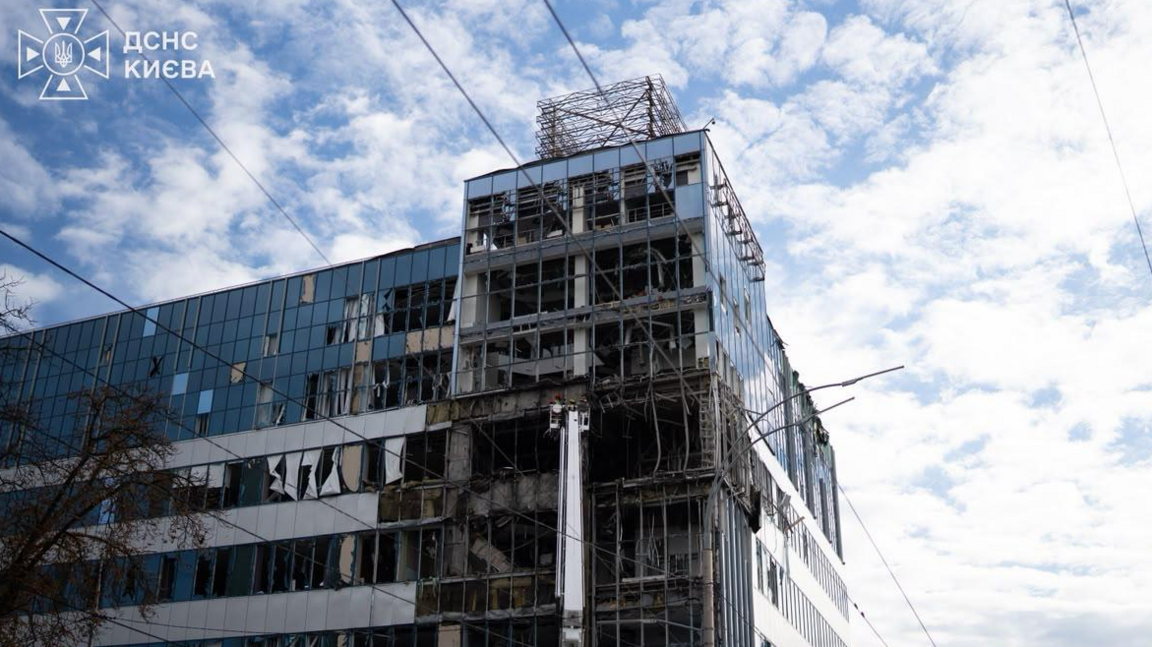
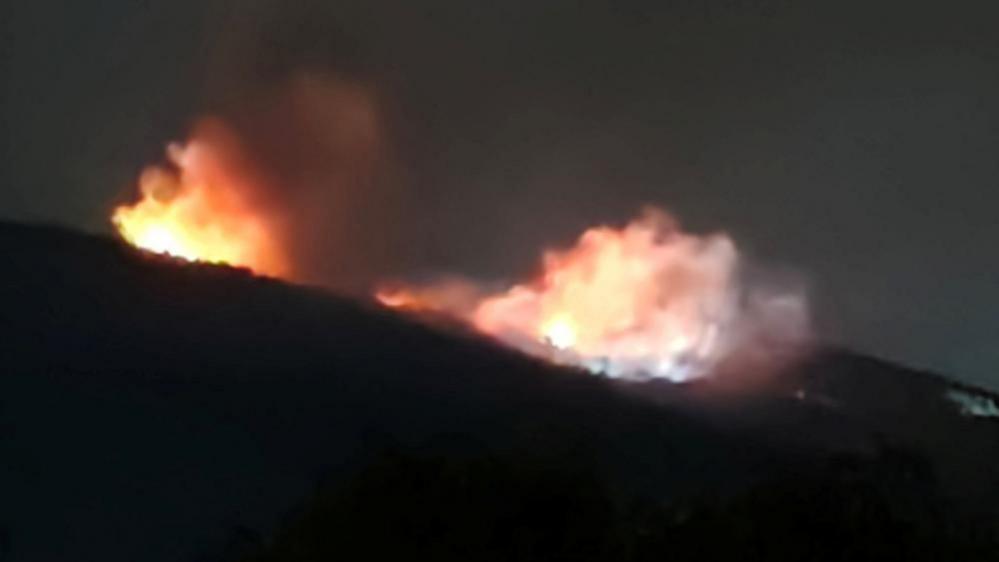
The attack took place in the night of 14‑15 August, damaging production lines and disrupting logistics that feed Ukraine’s war effort.
Estonian Foreign Minister Margus Tsahkna confirmed that internal security service findings pointed to a sabotage order from the Russian Federation, and that the perpetrators were arrested after being identified as Latvians who had lived in Russia.
Three suspects were detained in Latvia and extradited to Estonia earlier this month. Security chief Margo Palloson added that this incident is the first successful attack in 2023, while Russia has been searching for operatives to carry out such acts.
Russia denies all accusations, with spokesman Dmitry Peskov calling them “baseless” and “unrelated to reality.”
European leaders have pushed back. French President Emmanuel Macron warned that the series of hostile acts is a dangerous escalation that will only lead Russian aggression to an impasse, citing the Leipzig drone incident.
An EU spokesman reiterated that the bloc will not curtail support for Ukraine, while NATO chair Mark Rutte urged calm and continued backing of the nation under siege.
Estonia’s findings come amid reports that Russia has been involved in or suspected of multiple sabotage incidents across Europe, including attacks in Germany, Bulgaria, Italy, Slovakia, and Poland.
Hybrid warfare—combining cyber‑attacks, misinformation, and industrial sabotage—is used by Russia to destabilise adversaries outside conventional battlefields.