
Michael Graczyk, who announced his formal retirement from the Associated Press in 2018, still wanders the hallways of Texas prisons to watch executions. In his 46‑year career he saw around five hundred inmates die by lethal injection and—on two rare occasions—witnessed a needle retreat before a second insertion. That was the last he had seen of a confident, rhythmic death.
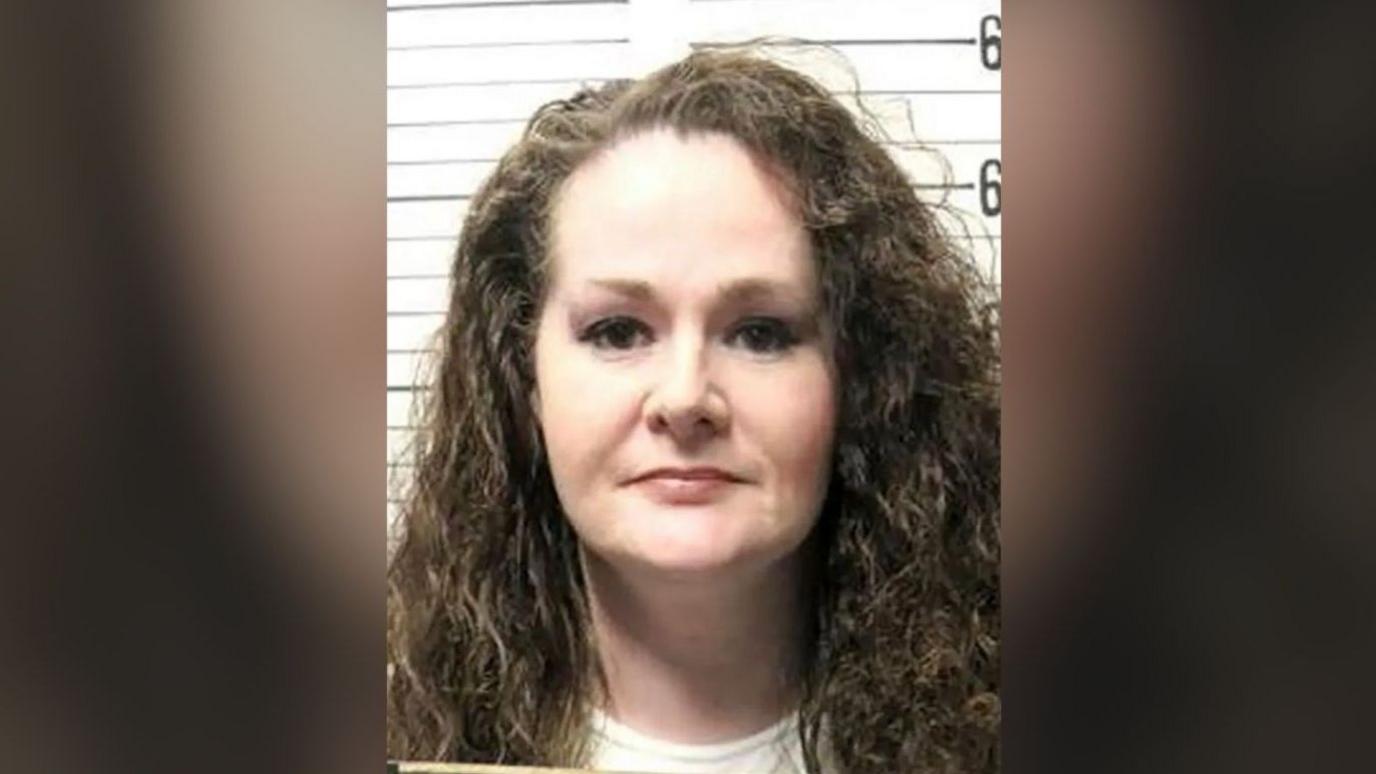
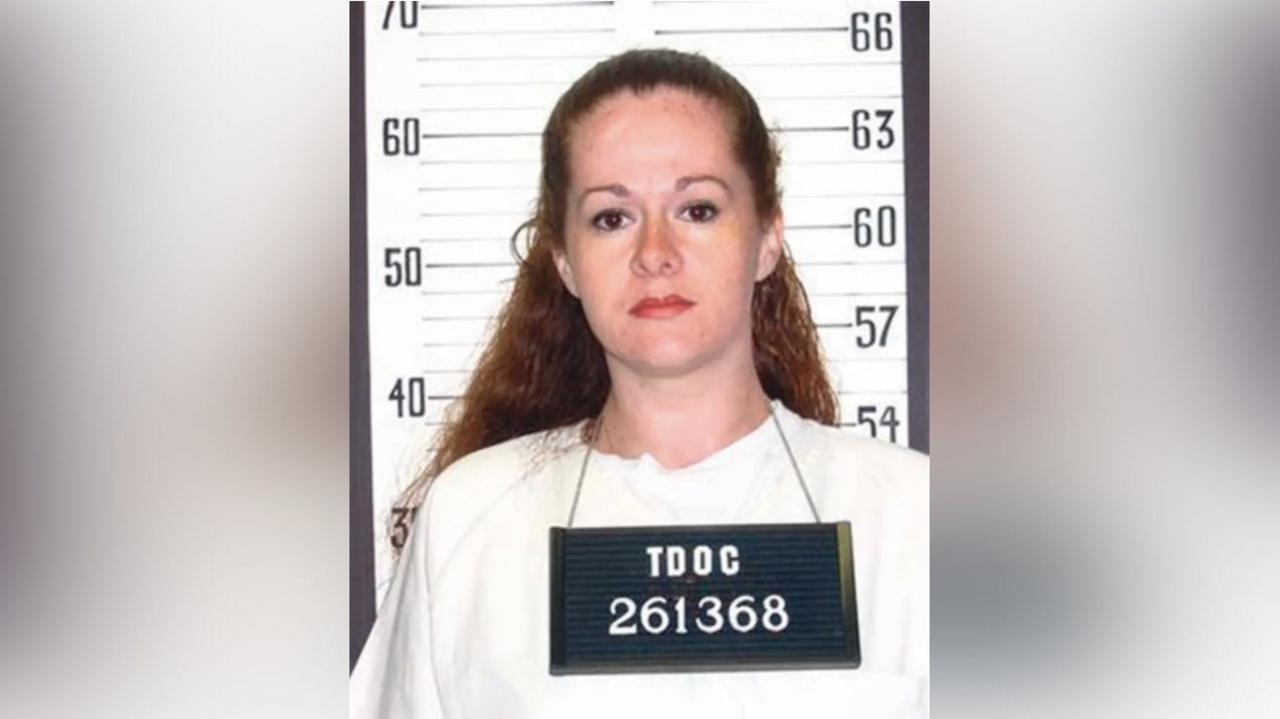
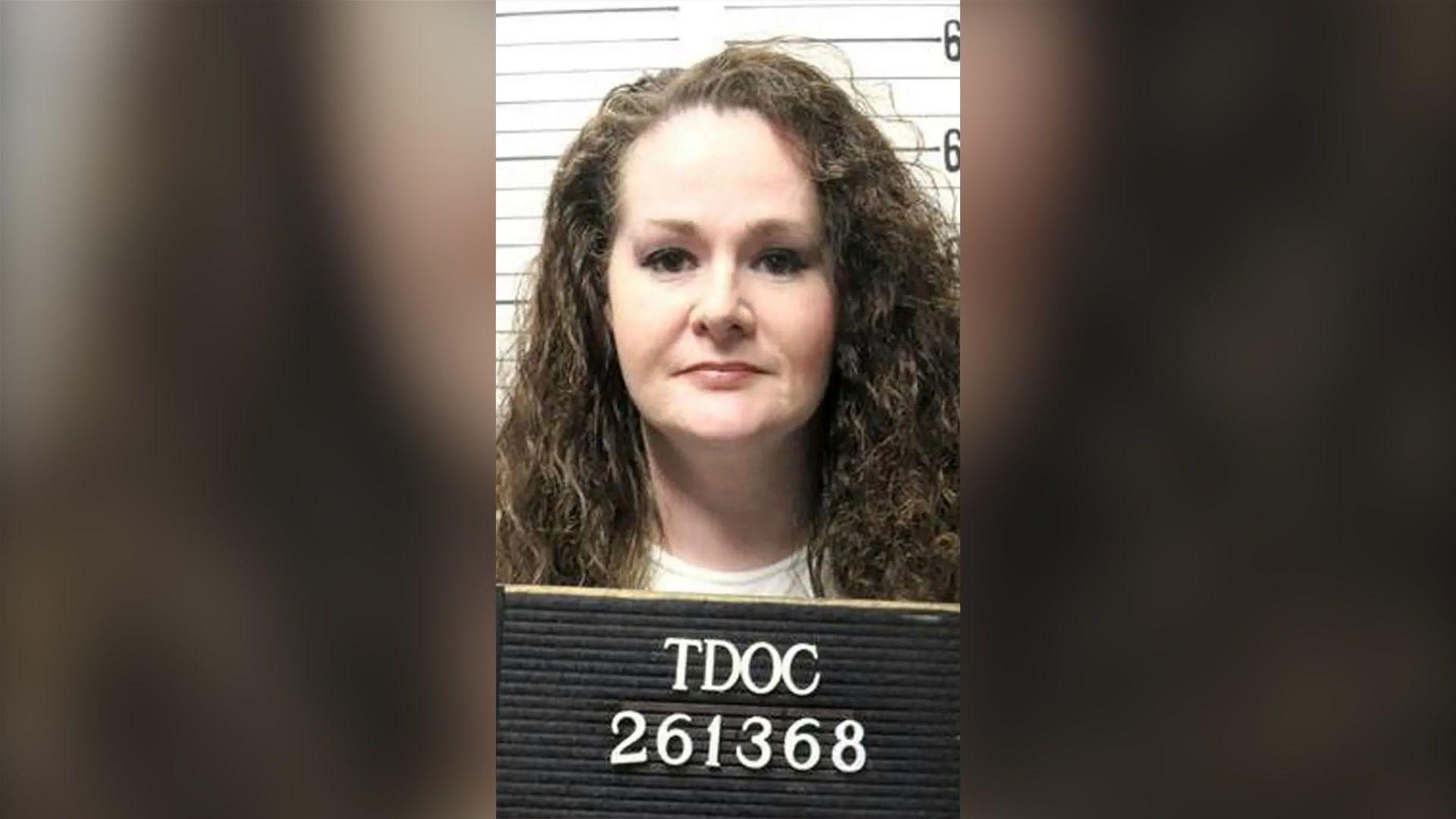
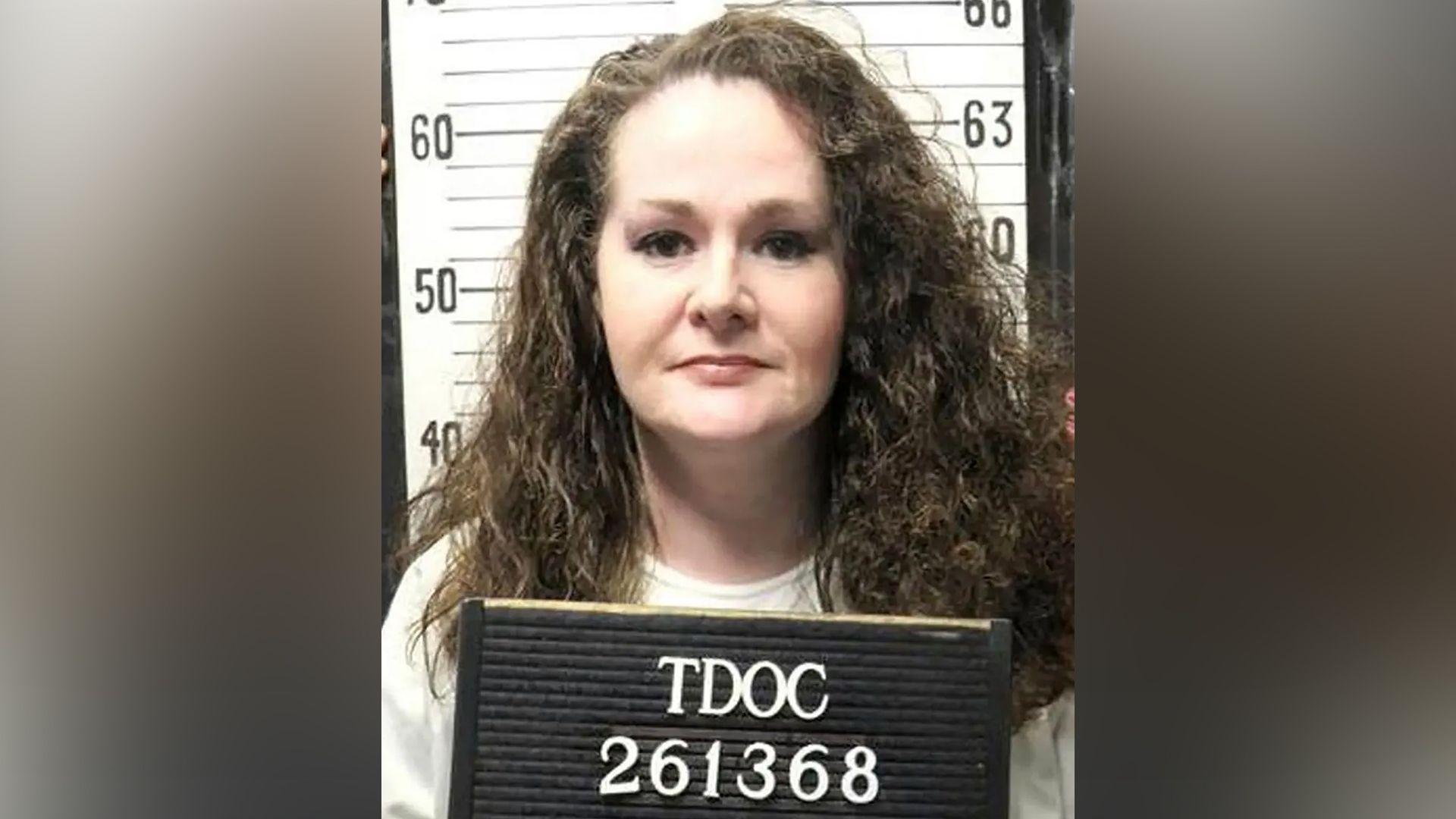
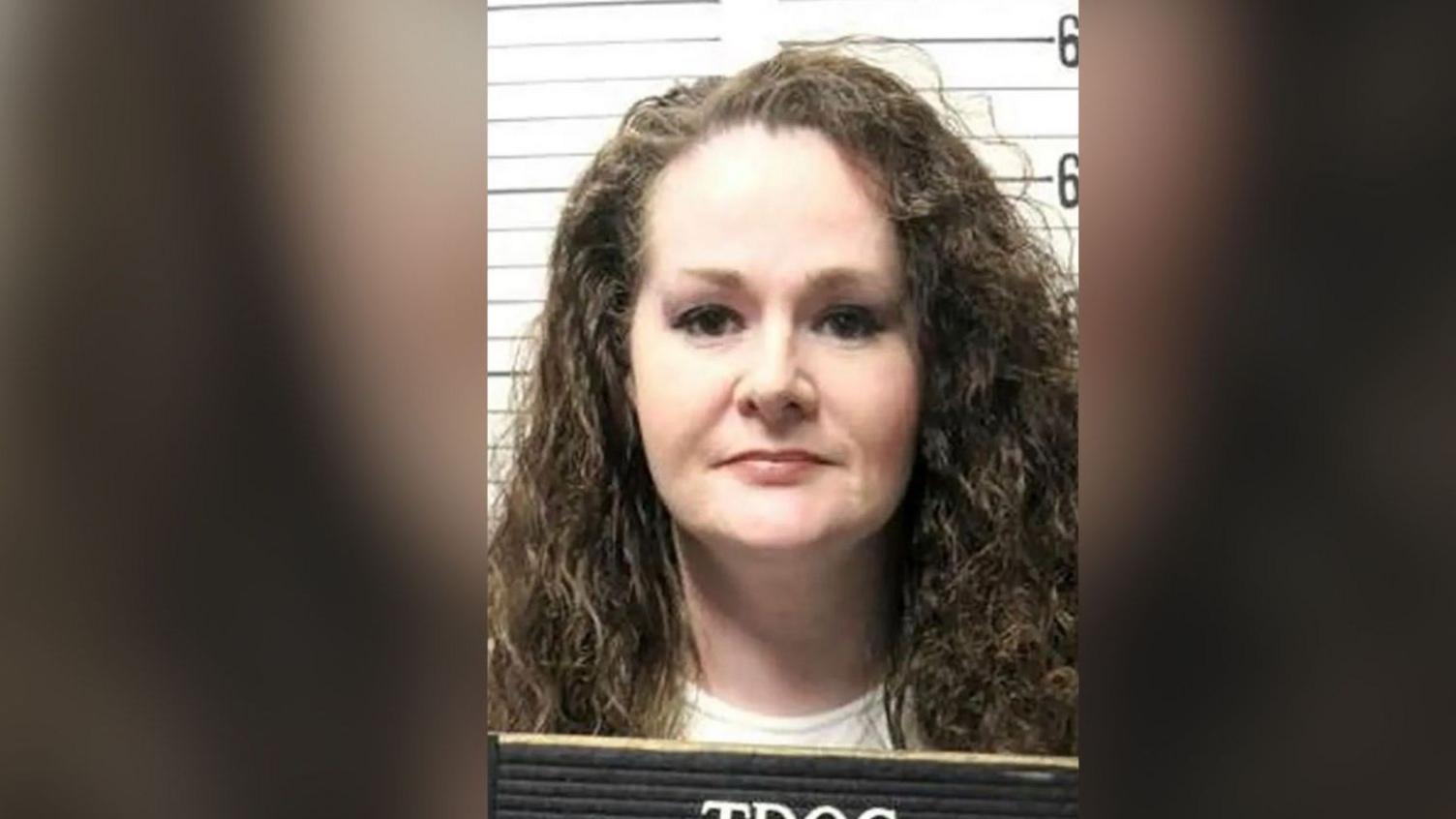
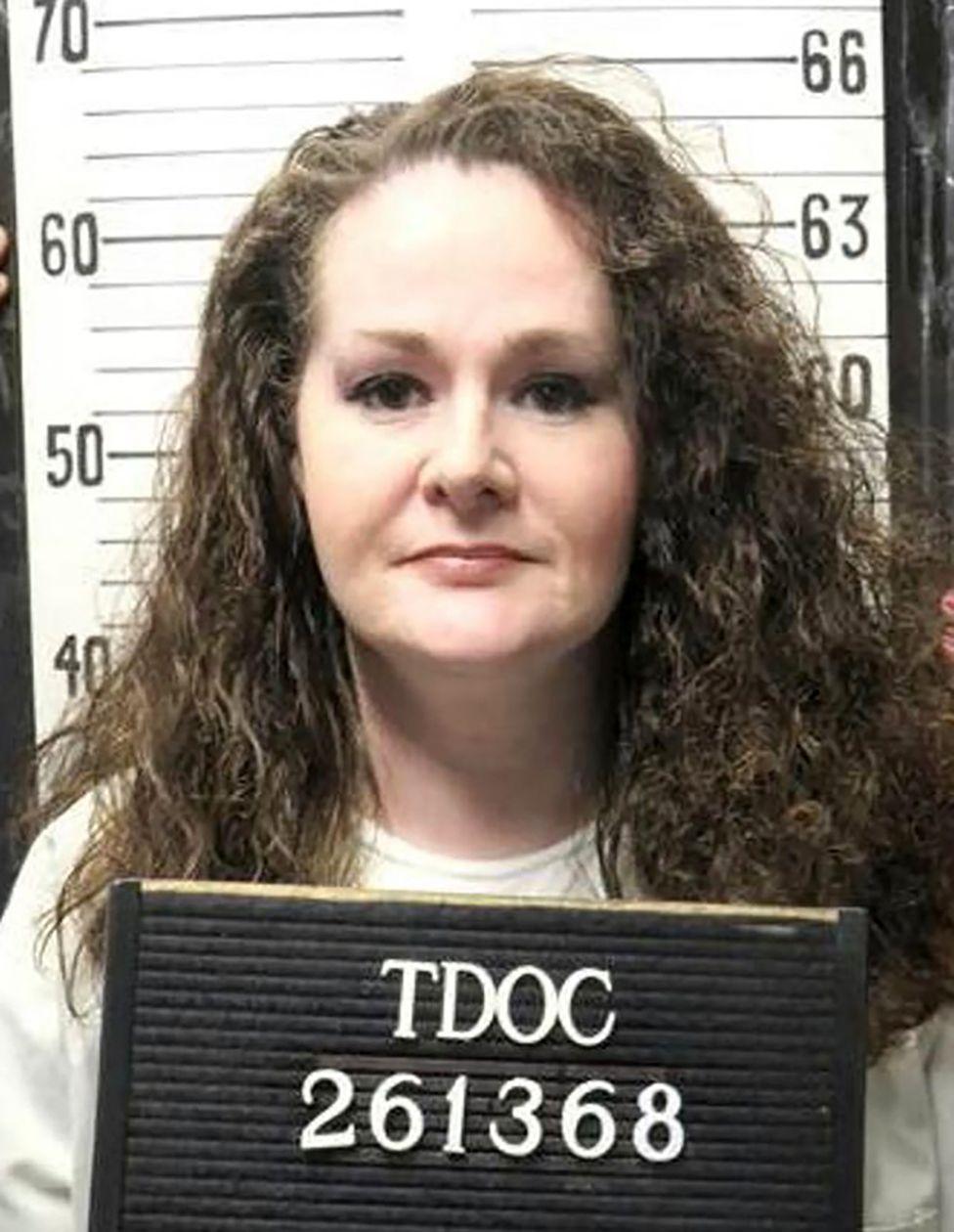
Nearly a month ago, Tennessee opened its 50‑year‑old inmate Christa Pike to two doses of pentobarbital, the barbiturate used in most state protocols. Pike, convicted of a 2007 murder, stayed breathing and snored after both injections and was immediately taken to a hospital where a life‑saving team treated her. Graczyk, at 76, said he expected an anomaly after years of watching executions but did not foresee a survivor.
Tennessee officials say their lethal‑injection scheme provides a second syringe set if the first fails, but the procedures after a second fail are not detailed. After Wednesday’s incident, Governor Bill Lee suspended all executions and ordered a full review of the state’s execution methods. The move follows a decade of scrutiny over drug shortages, botched executions and the morality of the death penalty.
Historically, the deaths of inmates such as Jonathan Nobles (1998) and Elroy Chester (2023) have been stark reminders of how quickly lethal injections work: their hearts stop within minutes, and they are pronounced dead 20 to 40 minutes after injection.
The Church‑uniquely noted that during the execution of Nobles, the last words “Silent Night” echoed in the room—an image that haunts Graczyk even in Christmas choirs. The stark contrast between grief for victims and the spectacle of death remains at the center of the debate.
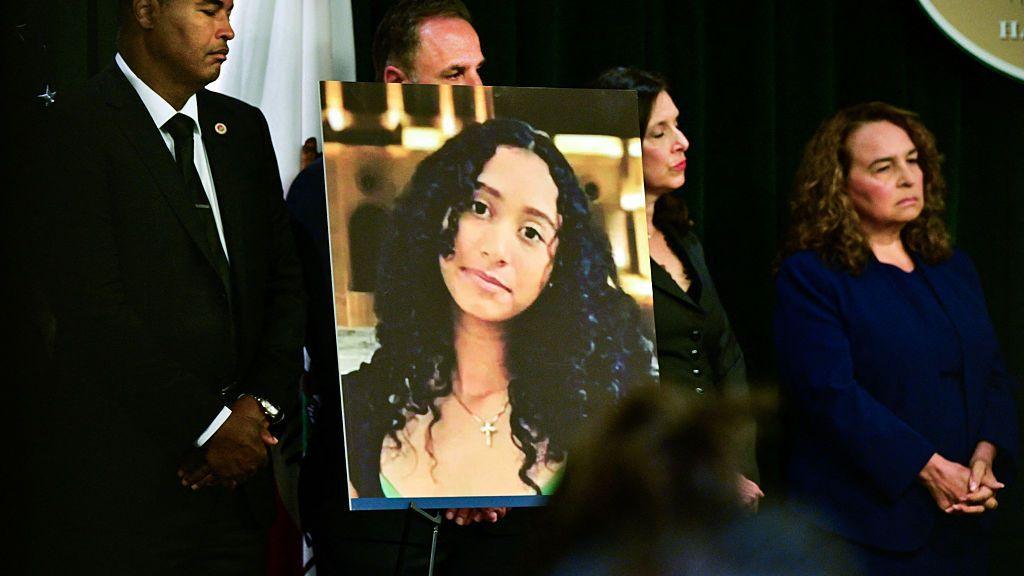
Christa Pike’s victim, 19‑year‑old Colleen Slemmer of Florida, is remembered by her family as a lover of roller skating and kindness. Her mother, May Martinez, was present on the execution night and described the event as a “mess.”

Pike now receives “life‑saving care” at a local hospital, a situation that has intensified calls for procedural clarity and humane execution standards across the United States.