Tennessee’s Fatal Botch: Christa Pike Survives Lethal Injection
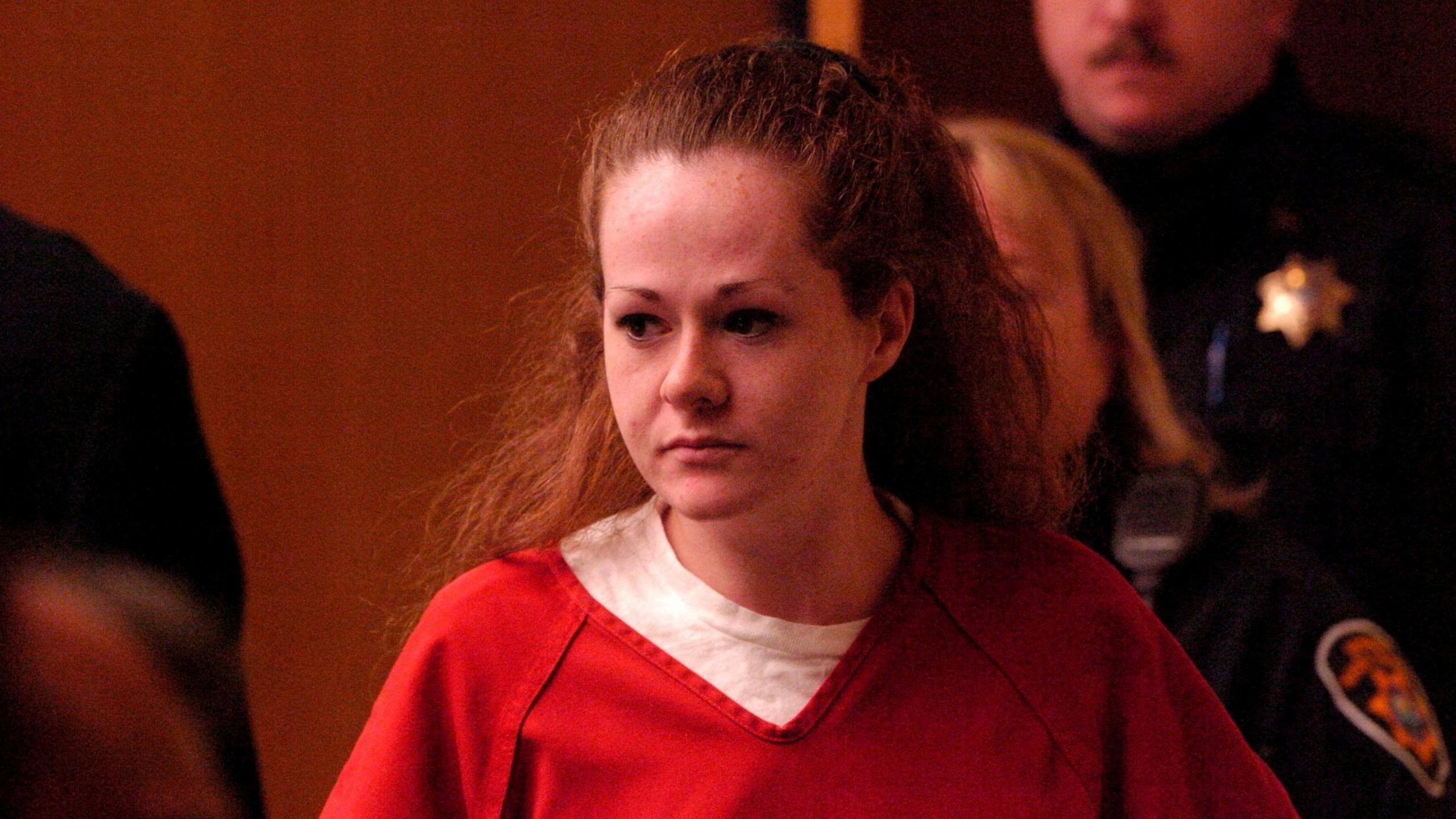
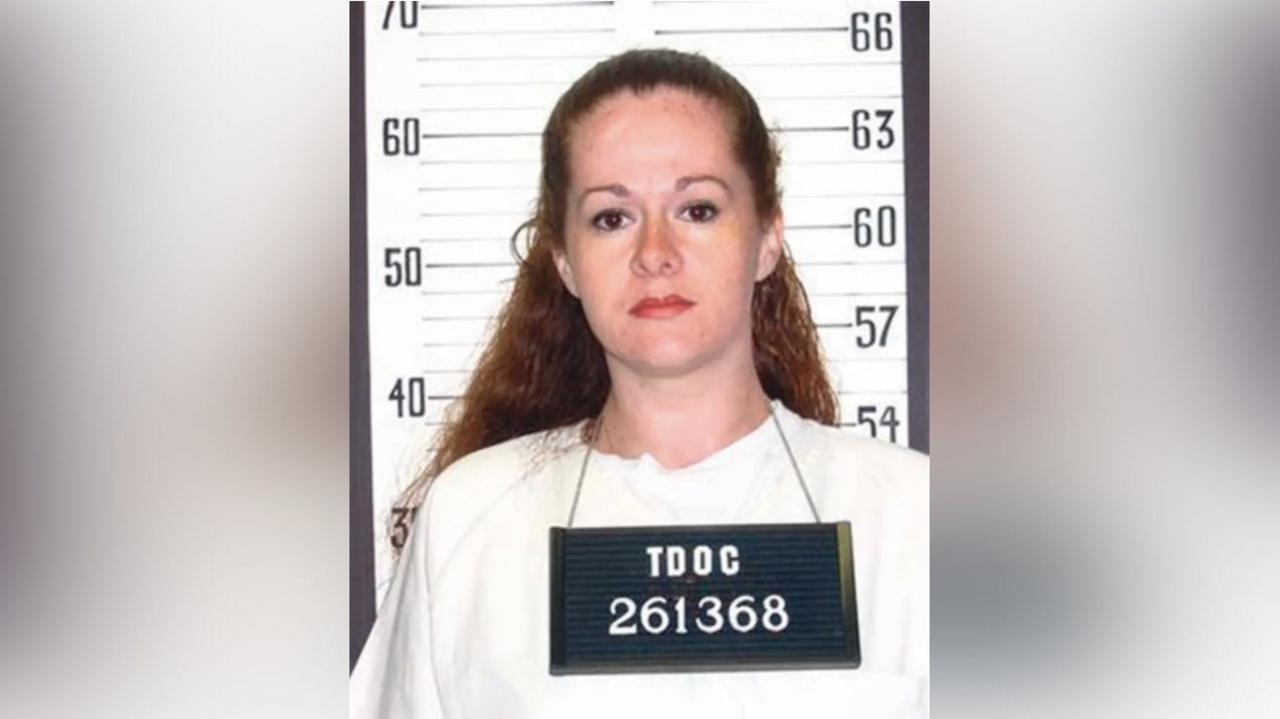
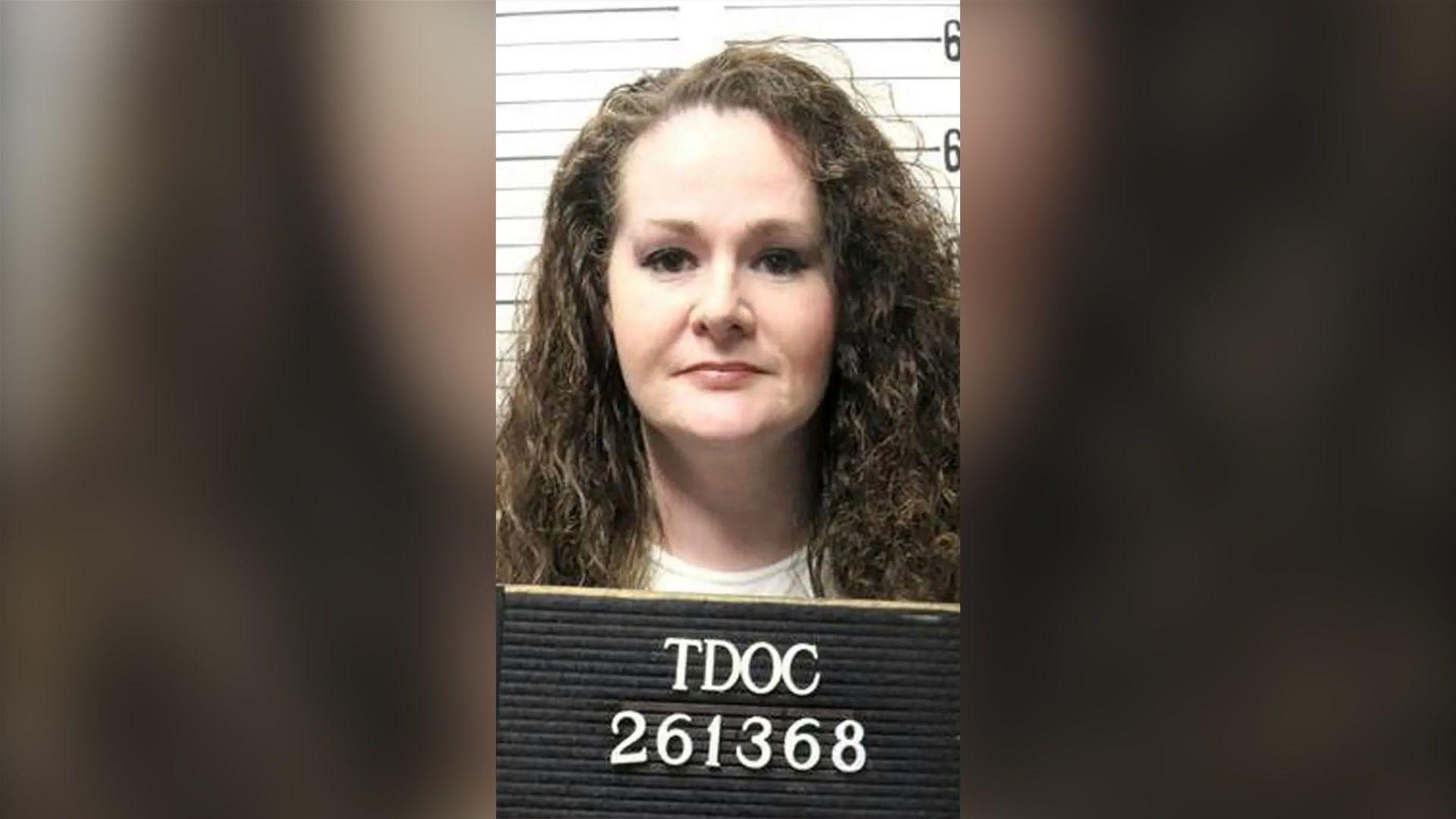
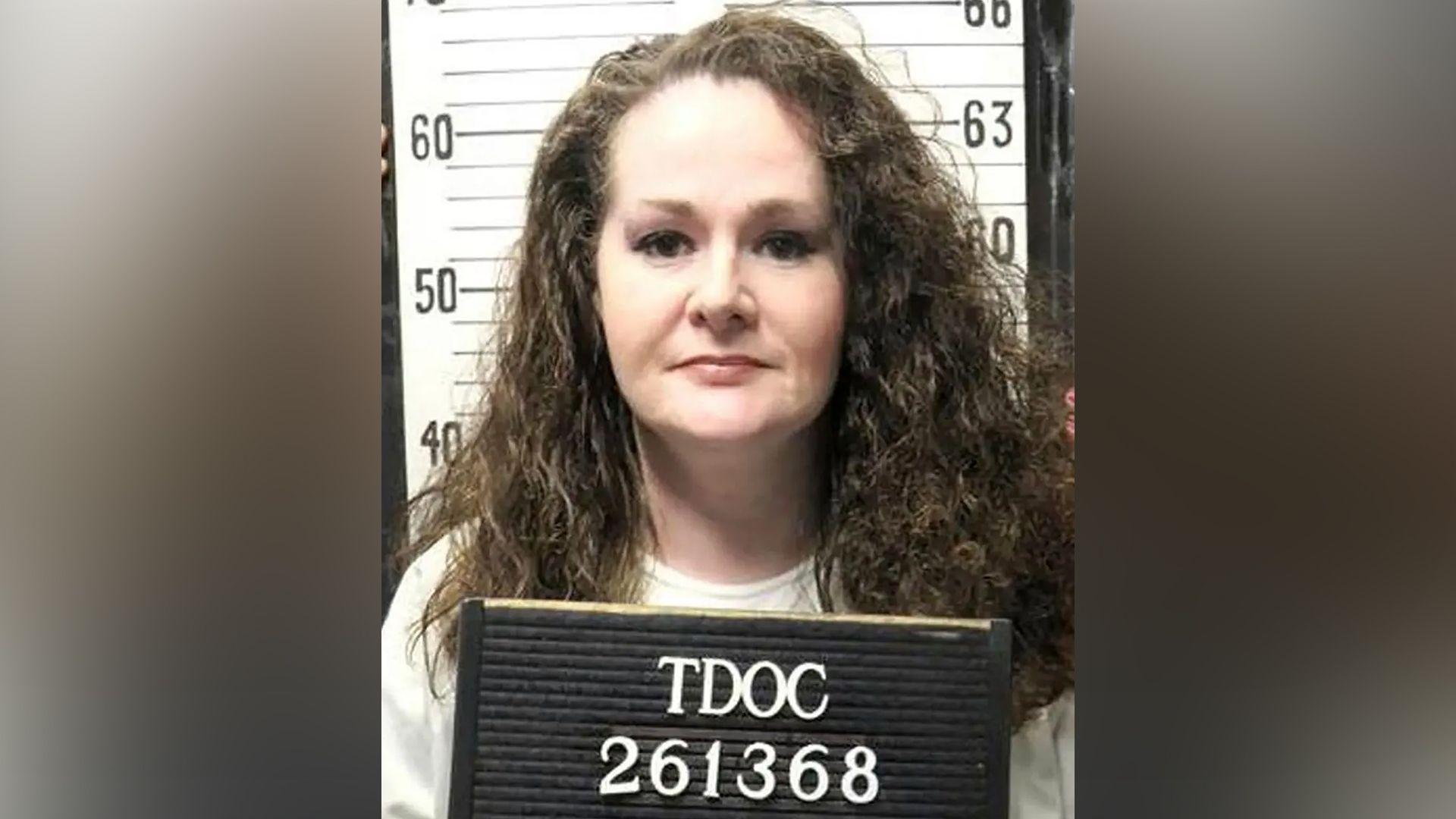
On Wednesday evening, the Tennessee Department of Correction attempted to execute 50‑year‑old Christa Pike, a death‑row inmate convicted in 1996 of murdering 19‑year‑old Colleen Slemmer. Instead of the expected death, Pike emerged from the procedure alive, her heartbeat continuing and snoring audible in the medical bay. The incident has made national headlines and forced the state to pause all executions for the rest of the year.

What Went Wrong?
Pentobarbital, a sedative used in lethal injections, was administered twice but did not halt Pike’s cardiac activity. Her counsel argues the drug was either improperly dosed or degraded. The department maintains that the protocol did not allow further steps and that the chemicals had “consistently been effective.”
Next Steps for the State
Governor Bill Lee has ordered a third‑party review and suspended all executions through the end of 2026. The Tennessee Correction Department transported Pike to an off‑site medical facility for life‑saving care, though officials have yet to specify whether a second execution will be attempted. Legal experts note that the U.S. Supreme Court has historically allowed second attempts after a first failure, but standing federal supervision is unlikely.
Historical Context
The phenomenon of botched executions is not new. In 1947, a similar failure led to a second execution under the U.S. Supreme Court’s ruling that it did not violate double jeopardy or cruel‑and‑unusual punishment statutes. In more recent history, Tennessee’s attempts have also stalled, such as the May postponement of Tony Carruthers’ execution when a suitable vein was not located.
Pentobarbital Explained
Pentobarbital is a potent barbiturate that, at high dosages, can induce unconsciousness and stop the heart. The Biden administration has banned its use in federal executions, though states like Tennessee retain the option.
The aftermath of the failed attempt reignites a nationwide debate over the moral and practical viability of capital punishment, with advocates for abolition citing the potential for human suffering, while pro‑death‑penalty supporters argue the system should withstand procedural failures.