How Widely Used Is the Death Penalty in the U.S.?
The U.S. remains the only industrial nation to use capital punishment, yet the frequency of executions has fallen sharply over the past decade. In 2023, 18 state executions were carried out, compared with 45 the year before and 136 in 2000.
Only 19 of the 50 states retain death‑sentence statutes, but nine of those states have not carried out an execution in the past five years. Tennessee, the state most referenced in the recent controversy, reinstated the death penalty in 1995 and has scheduled 113 executions for 2024. The state has the highest annual wage for a death‑row inmate in the country, which critics say makes the program financially unsustainable.
In 2023, a total of 17,600 inmates were on death row nationwide. Average time to execution after sentencing is 17 years, but the figure grows each year as inmates age and evidence quality drops.
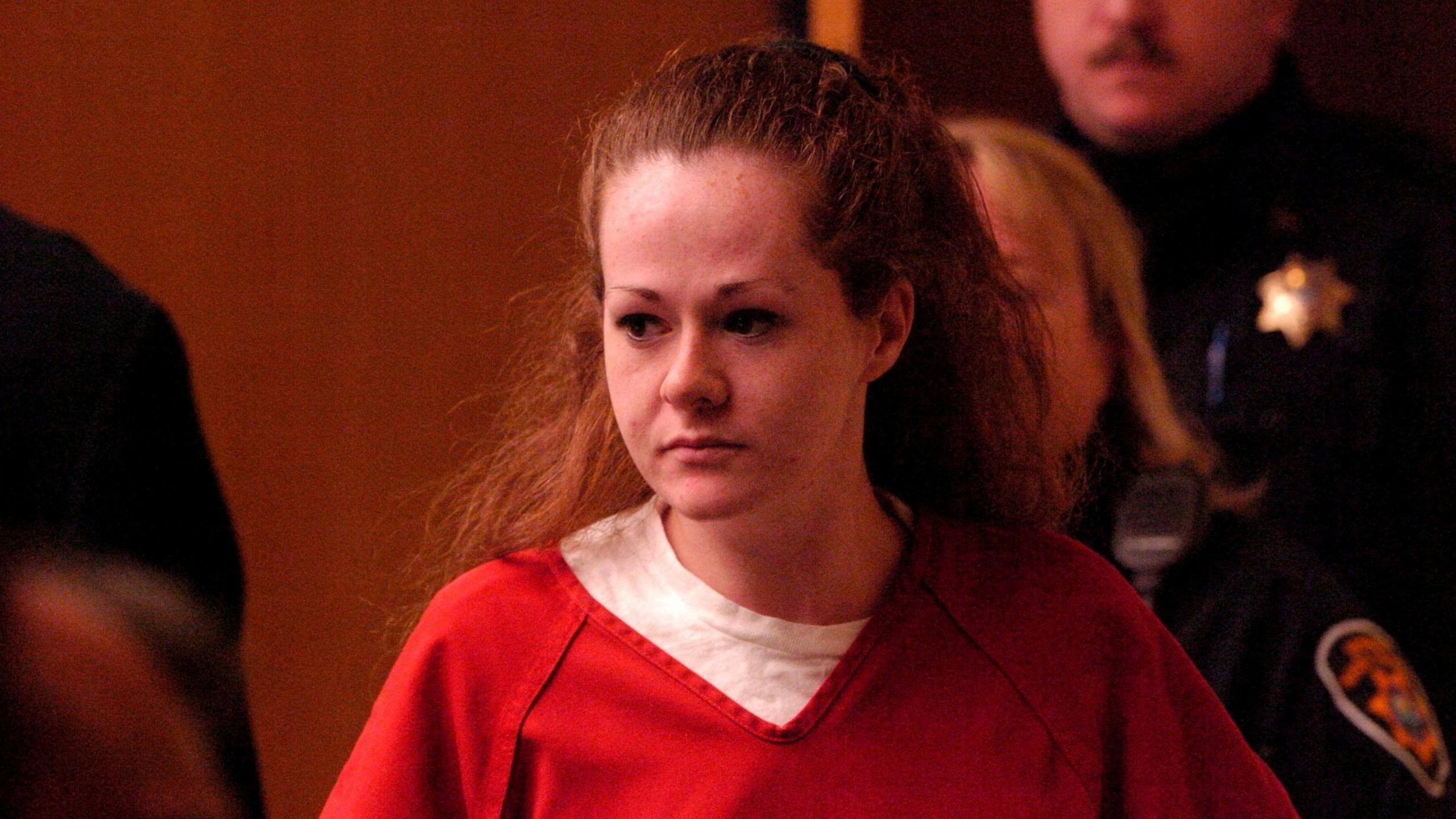
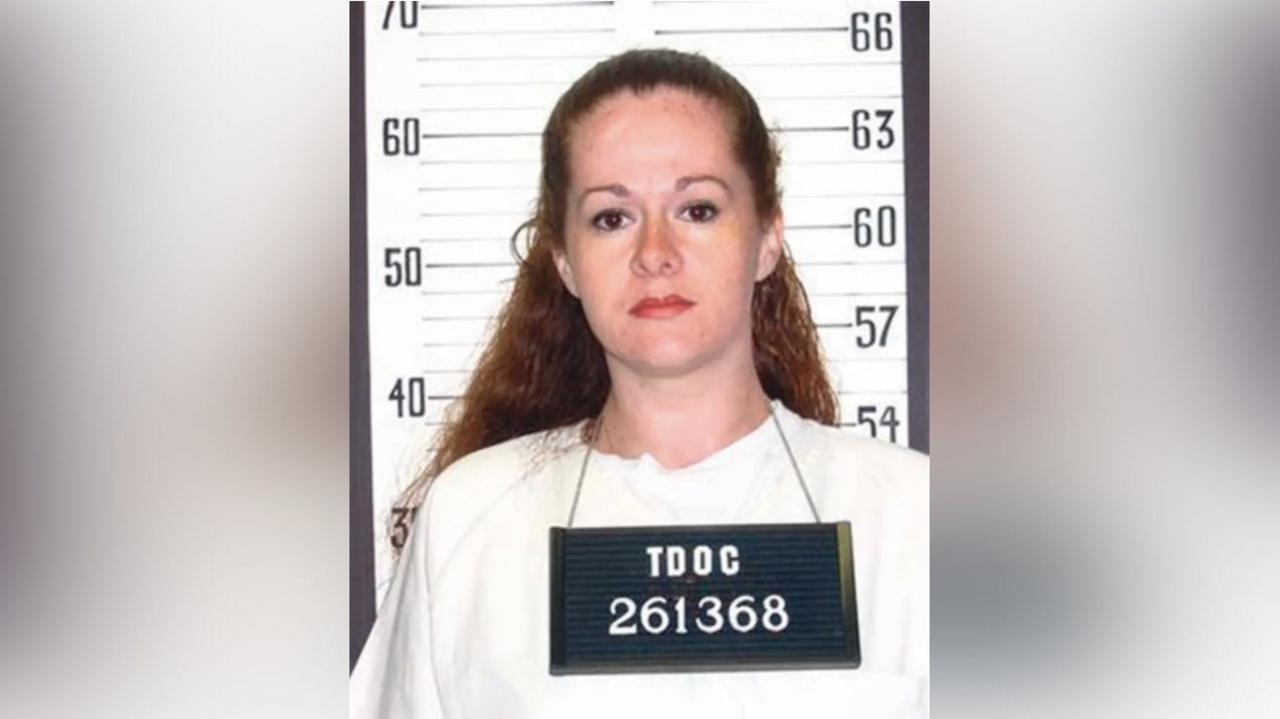
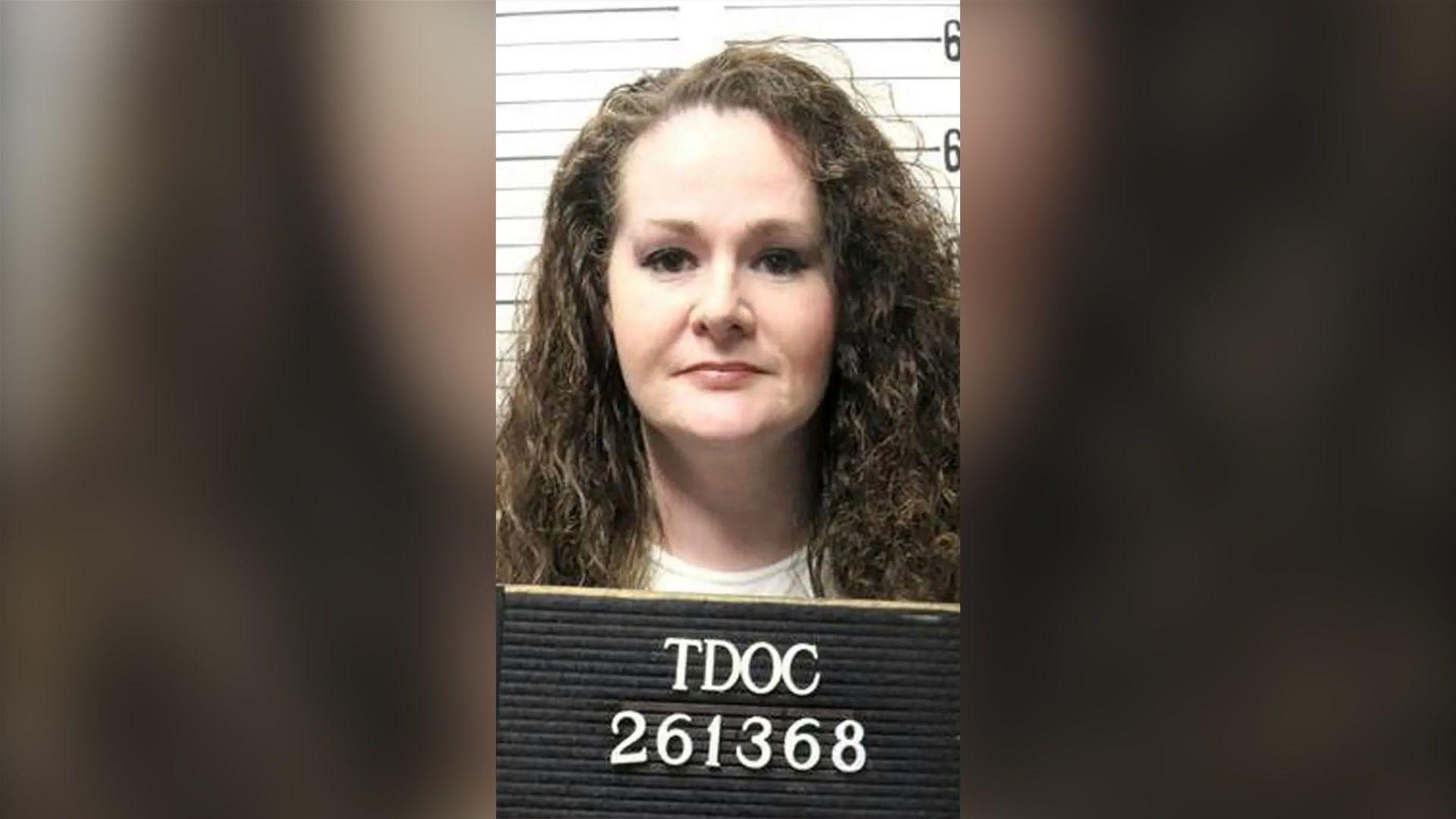
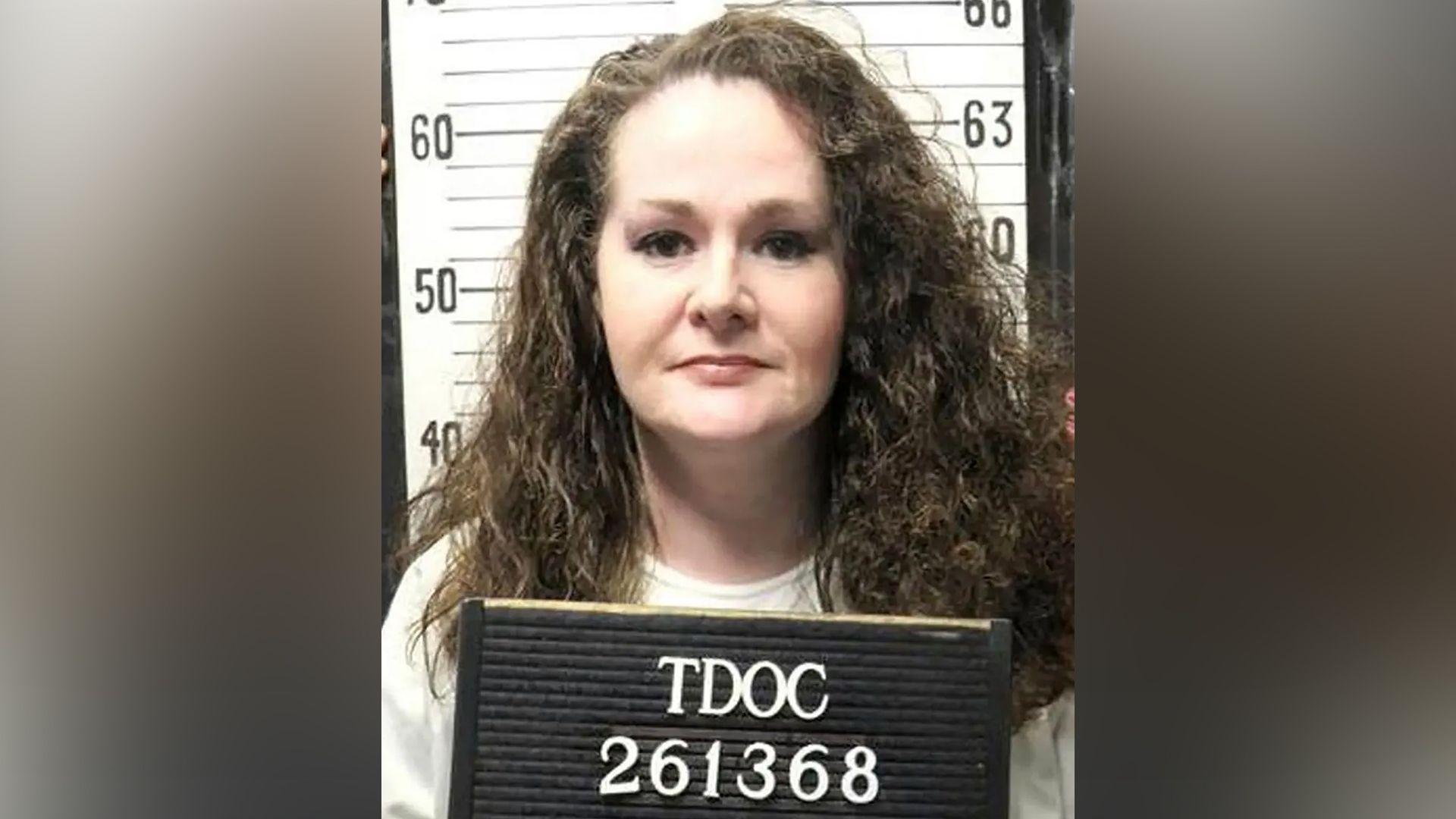
The survival of Christa Pike, who was twice scheduled to be executed in 2020 and 2022, has prompted calls for a moratorium. Pikes’ case raised questions about execution reliability, technology reliability, and risk of wrongful death.
Advocates for abolition point to the high cost of capital punishment, with the average legal cost for a single death‑sentence case exceeding $3 million – a figure that surpasses the average cost of a life sentence. Critics argue that state funding could be redirected toward crime‑prevention and rehabilitation programs, potentially reducing crime rates.
Meanwhile, states that do retain the death penalty are grappling with increasing public scrutiny. In Ohio, a state Supreme Court ruling halted the use of lethal injection agents that had previously led to botched executions. The debate continues as the nation examines whether the death penalty serves justice or perpetuates systemic inequities.
For the full story, including sources and a detailed timeline of recent executions, follow the BBC Verify link below.