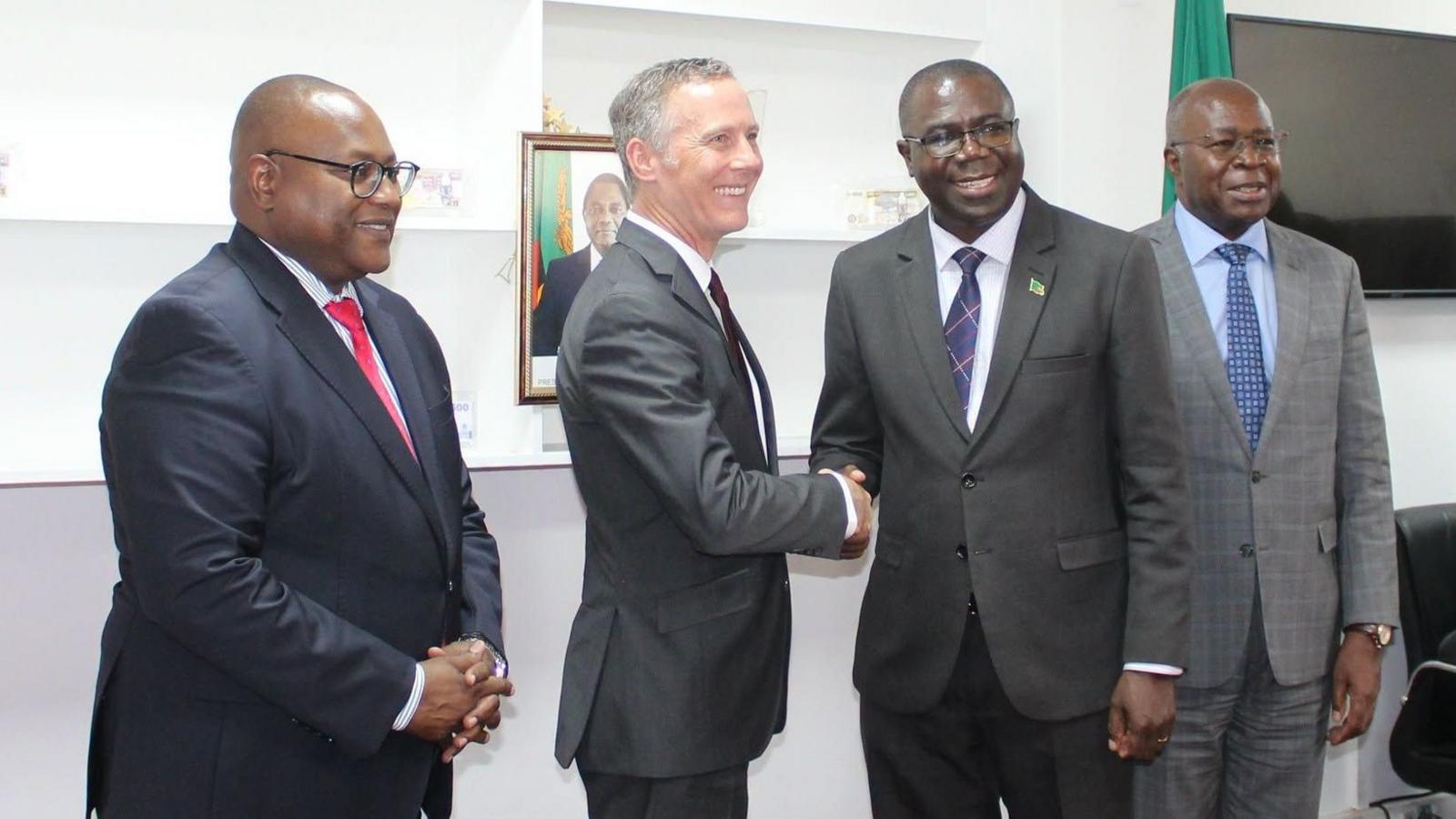
Zambia has signed a five‑year health‑financing agreement with the United States, ending months of public dispute over whether the country was trading citizens’ medical data and mineral rights for aid.
Under the memorandum of understanding signed in Lusaka on Thursday, the US will provide about $1.5 billion (£1.1 billion), with Zambia also contributing.
Civil‑society groups had criticised a leaked draft that they said allowed too much data sharing, while activists seized on reports that health money was being linked to preferential access for US companies to Zambia's copper and other mineral reserves.
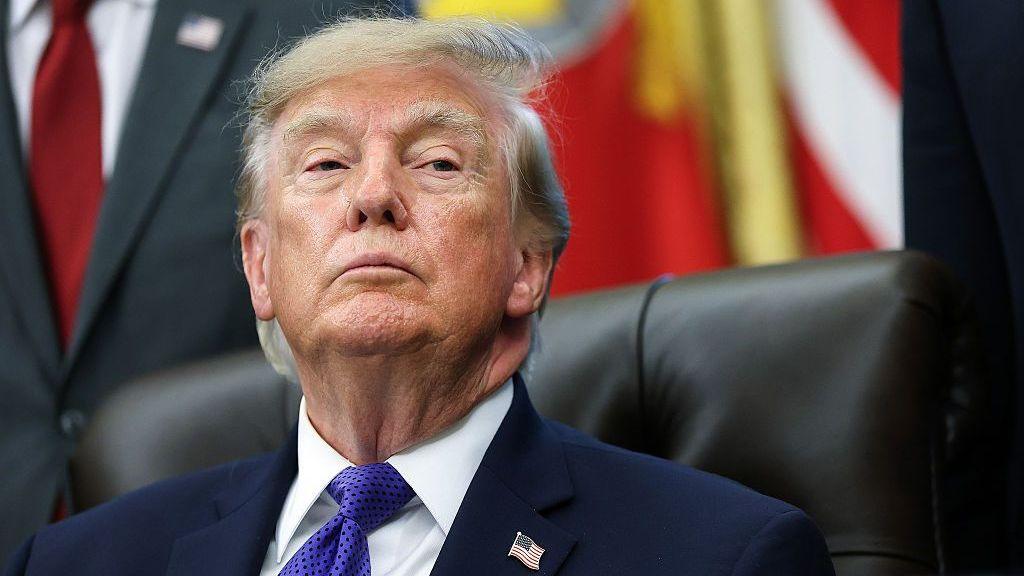
The deal comes after the US Agency for International Development (USAID) was cut; President Trump had accused USAID of wasteful spending. Washington now pursues similar agreements with several African countries, arguing partners should shoulder more of the cost.
Kenya, Tanzania and Uganda have signed, whereas Ghana and Zimbabwe rejected agreements over data‑sharing conditions. Officials say Zambia's revised text addresses concerns about privacy, intellectual property and benefit‑sharing.
Health Minister Roma Chilengi said earlier that clauses requiring Zambia to send biological specimens to the US were removed, and that the agreement would not permit sharing of individual patient records; data exchange would be limited to information needed to monitor and evaluate programmes.
The package – roughly $3.6 billion over 2026‑2030 – is aimed at HIV/AIDS, tuberculosis, malaria, maternal and child health, disease surveillance and recruiting community health workers. The US expects its contribution to decline over five years as Zambia ramps up domestic spending.
Critics say a US cut last year hampered Ebola response in the Democratic Republic of Congo, while Washington argues the new model is more effective and cites $270 million it has donated to tackle the outbreak.