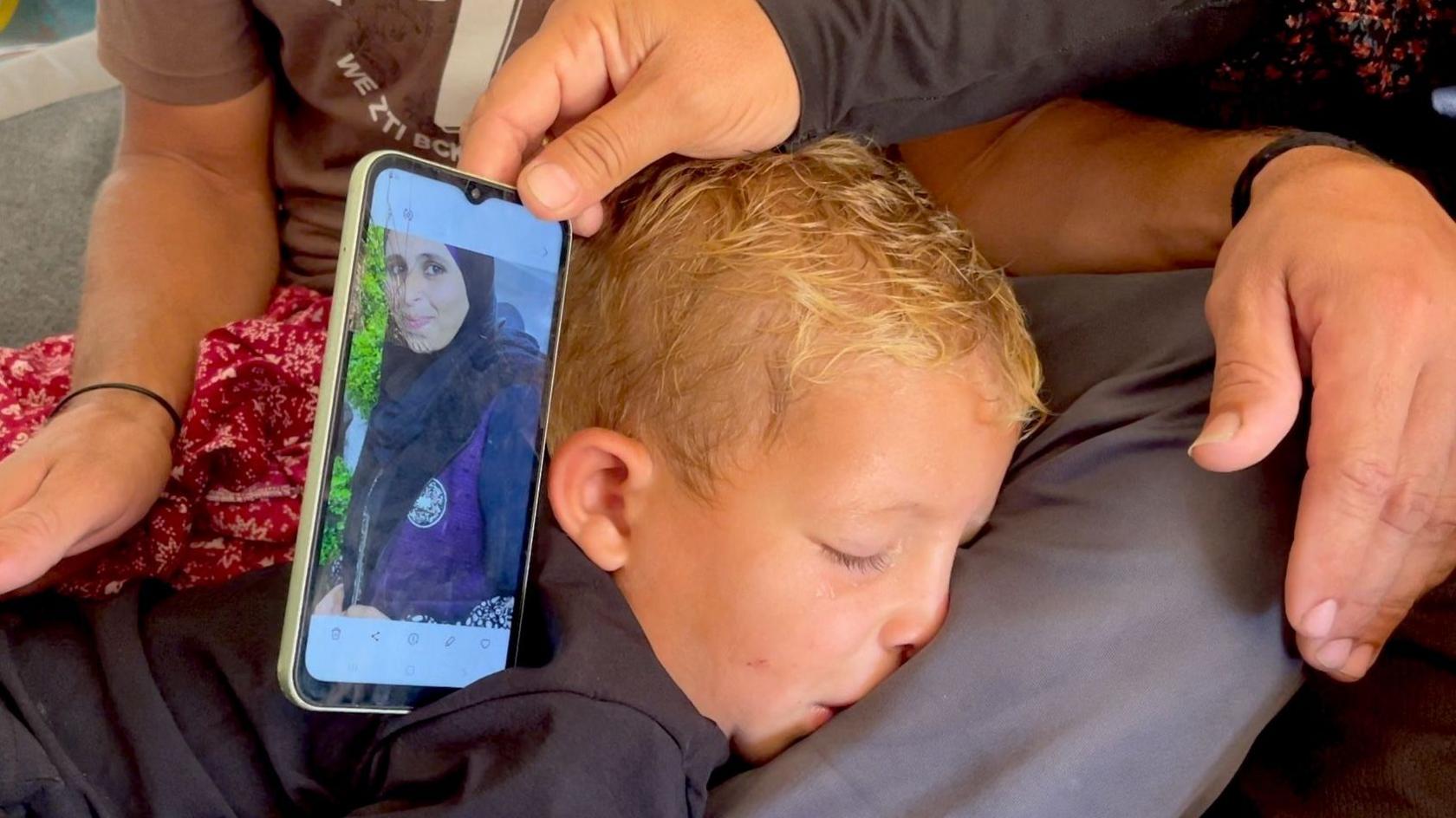
In a tiny, torn tent in central Gaza, the first light of a morning last month found 31‑year‑old Fida al‑Toutah combing her daughter’s hair when the sound of gunfire shattered the silence.
“My mother shouted at us to get down,” her son Ezz recalls, weeping as he spoke.
He only realized Fida had been hit when he saw the blood‑stained hands of his younger brother clinging to his mother as bullets lanced the tent.
“Our mother was so kind and generous. What did she do wrong?” Ezz said, the voice trembling with grief.
Fida died on 21 September from a gunshot wound to the head, the 1,400th casualty in Gaza since the ceasefire began on 10 October 2025, according to Gaza’s Hamas‑run health ministry.
The ceasefire released thousands of Palestinians held by Israel in exchange for the 48 hostages still in Gaza. It halted large‑scale bombardment, allowed a rise in humanitarian aid, yet daily strikes persist.
“It is all lies. Every day there's a shooting. Every day there is killing and death lurking around,” Ahed, Fida’s husband, says the night after the attack.
The IDF said it has no record of Fida’s killing, underscoring the confusion that pervades the conflict. In the last week alone, the Gaza health ministry reports that 30 people were killed in Israeli operations.
The strip is now crammed into less than half its pre‑war area, with families like “Ibrahim”’s moving seven times in search of safety, while the Israeli‑controlled “Yellow Line” remains the most lethal frontier.
Ibrahim pointed to holes in the tent, the result of a volley of bullets and drone‑fire that left him and his children’ families in a spiral of fear.
Another survivor on 21 September was 14‑year‑old Ismail al‑Bardawil, shot outside the al‑Mawasi area of Rafah while his brothers fished twenty metres from the sea. His family says the death a “one‑of‑hundreds” of children killed since the ceasefire.
Both families live adjacent to the Yellow Line that separates Israeli‑occupied territory from Hamas‑controlled areas – the zone most prone to Israeli firing because of the strategic tug‑of‑war.
In May, Israeli Prime Minister Benjamin Netanyahu pledged to extend Israeli control to 70% of the Gaza Strip. He said a further pull‑out would not occur until Hamas is “genuinely” disarmed.
Amal Alabadla, who once enjoyed a comfortable flat, now hauls two boys inside a shaky tent by the coast. She says the rains flood the bear‑shaped nest and the wind can destroy it entirely.
“Every time the rains come, it gets flooded. I feel very scared when the wind is strong because our tent gets destroyed or damaged,” she laments.
Am’s husband was not in Gaza when the war erupted, and in three years they have yet to reunite. Amal’s three brothers – all killed in separate attacks before the ceasefire – have given her the resilience to keep her children alive.
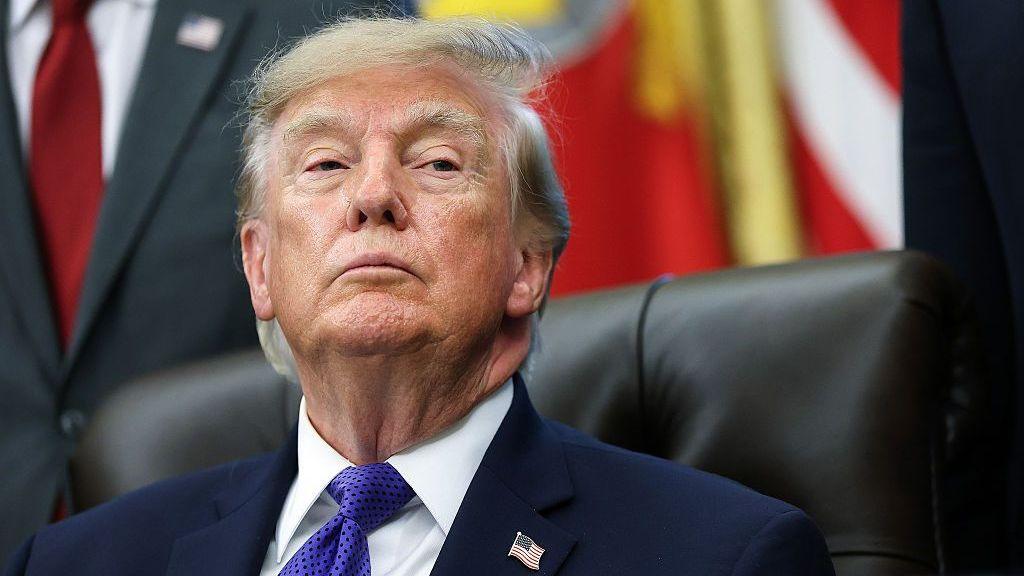
The proposed recovery plan from former President Donald Trump’s Board of Peace offers a $2.45 bn investment for Gaza’s rebuilding, but reconstruction remains stalled because of restrictions on materials and machinery that Israel claims are for security reasons.
“We are struggling and not being allowed to rebuild,” Amal says. “I don't think they are telling us the truth about allowing us to rebuild a safe future for our children.”
These stories underscore the ongoing humanitarian crisis, the cessation of large‑scale fighting yet the persistence of daily bombings, and the uncertain path to a comprehensive peace that could bring lasting security to Gaza’s residents.