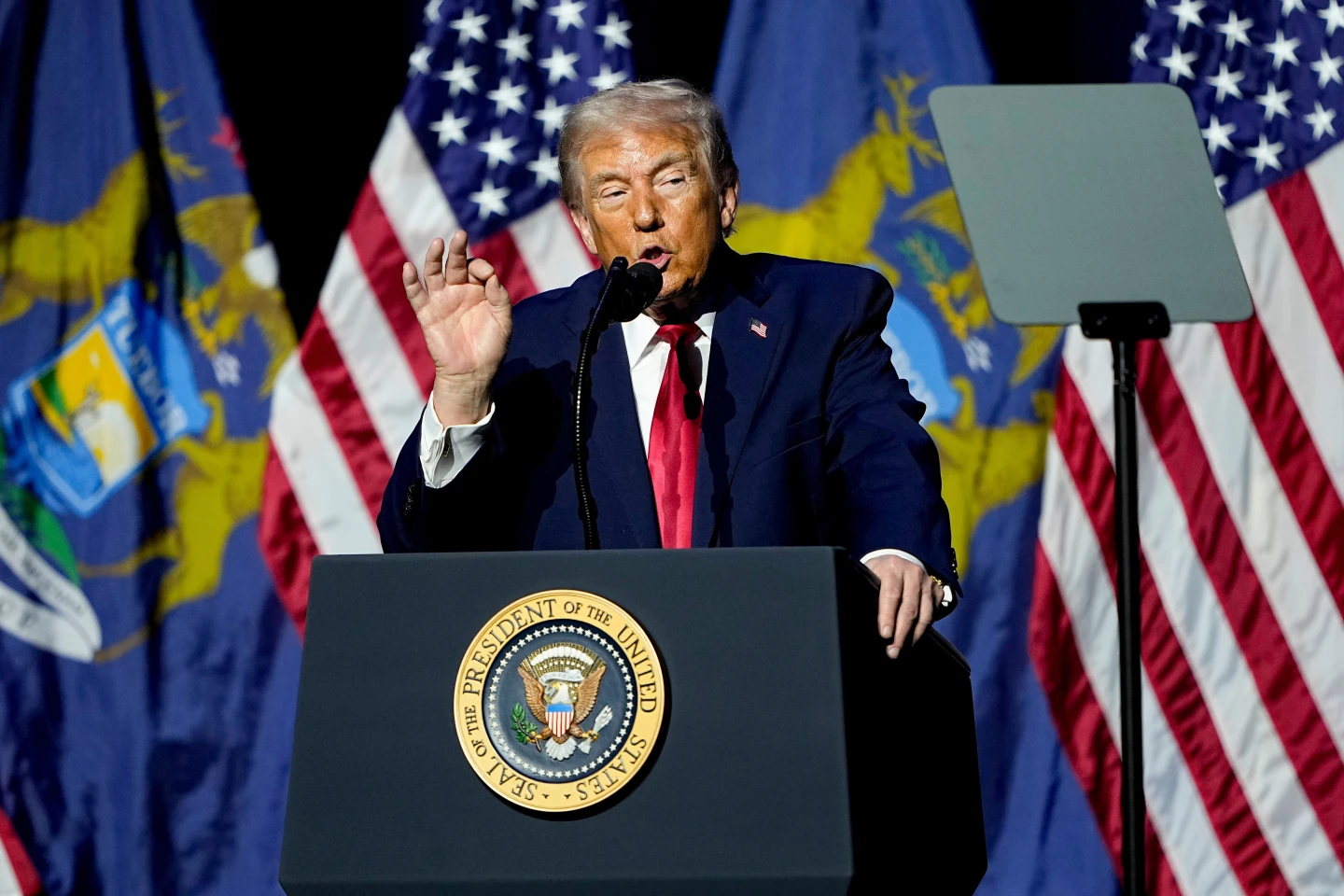
In a bold announcement on Tuesday, President Donald Trump declared that starting February 1, he will deny federal funding to states that protect so-called sanctuary cities. These cities resist federal immigration policies by limiting their cooperation with federal immigration enforcement authorities.
This move could have extensive implications across the United States, affecting not only places that are typically seen as welcoming to noncitizens but also potentially impacting those less friendly to them. Trump made this declaration during a speech at the Detroit Economic Club, labeling sanctuary cities as entities that ‘protect criminals at the expense of American citizens.’
Trump’s previous attempts in 2017 and 2018 to cut off funding to sanctuary jurisdictions faced challenges in court, which deemed the proposed actions unconstitutional. However, Trump has renewed his threats, stating, ‘We’re not making any payments to anybody that supports sanctuary cities.’ When pressed about the types of funding that would be affected, the President responded, ‘You’ll see. It’ll be significant.’
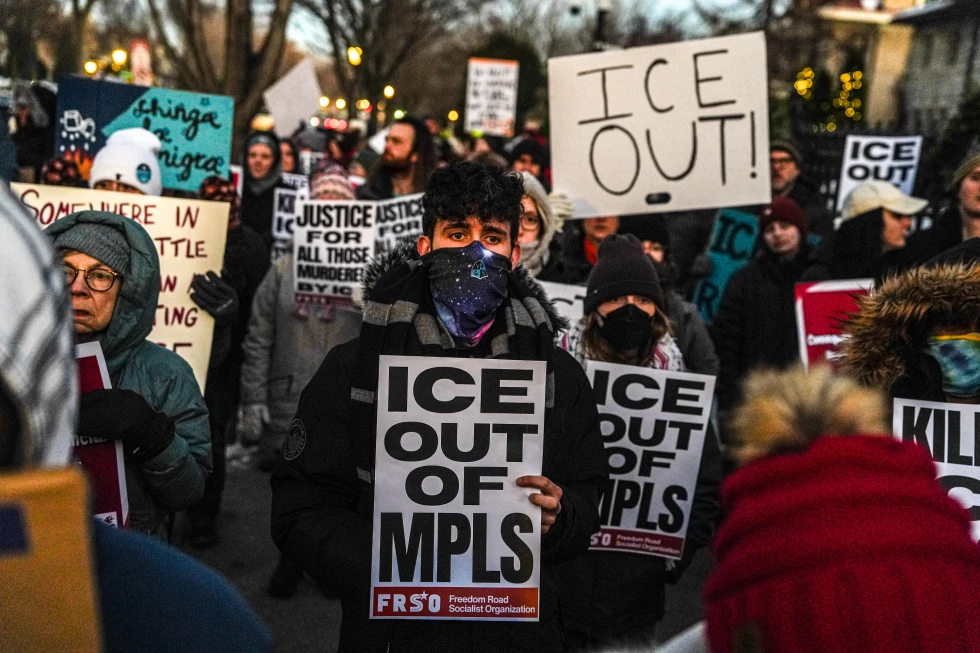
The term "sanctuary city" typically refers to jurisdictions that practice limited cooperation with Immigration and Customs Enforcement (ICE) and serves as a refuge for individuals who might be undocumented. The Justice Department published a list of sanctuary cities and counties that grants insight into areas targeted by this policy. Most of these identified locations are politically controlled by Democrats.
Trump's administration has previously taken steps to limit funding to specific programs in Democratic-led states, raising questions about potential legal challenges yet again. As the situation develops, states and local governments prepare to confront this new federal strategy amidst ongoing tensions over immigration policies.