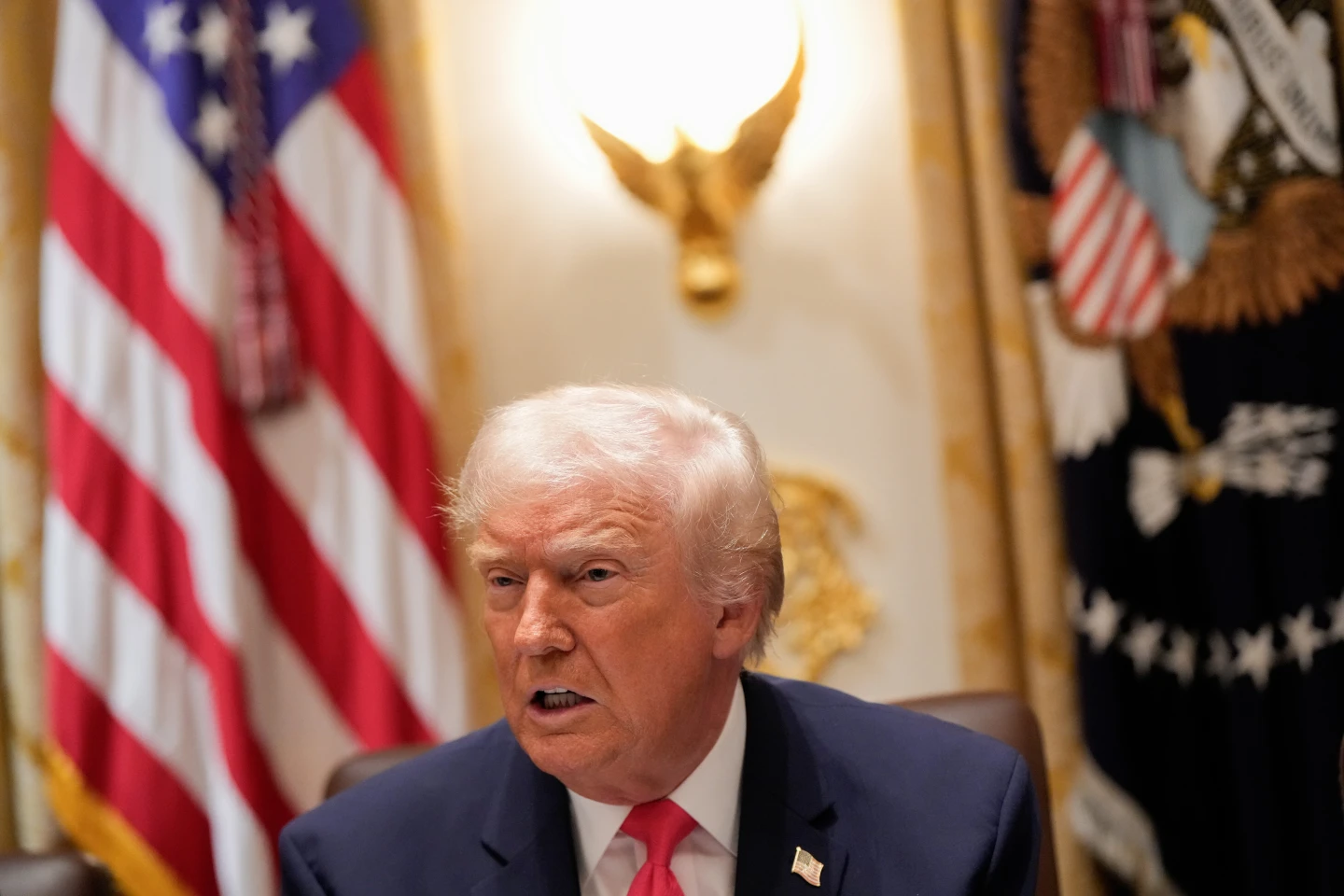
During a recent Cabinet meeting, President Donald Trump made controversial statements regarding Somali immigrants in the United States, referring to them repeatedly as 'garbage.' This statement is part of a long history of Trump's negative rhetoric towards immigrants, which began with his candidacy announcement in 2015 when he referred to Mexican immigrants as 'rapists.' Trump's ongoing depiction of immigrants has been likened to the rhetoric used by historical figures such as Adolf Hitler.
Trump's remarks drew applause from his Cabinet members, further indicating the ongoing division in American society regarding immigration and identity. Critics argue that his language has legitimized and normalized xenophobia in political discourse.
Historically, segments of the American population have been hesitant to accept immigrants, recalling moments in history such as the internment of Japanese Americans during World War II. Trump's statements are not only reflective of his views but also contribute to a national conversation about who is considered an American.
Trump's administration has continued to pursue a hardline immigration policy, including attempts to limit birthright citizenship and significantly reducing the asylum-seeking process. His recent comments have shocked many, leading to responses from various politicians, especially Rep. Ilhan Omar, who criticized Trump's obsession with her and Somali immigrants as 'creepy.'
The implications of Trump's rhetoric have gone beyond U.S. borders, attracting international criticism and sparking fears of normalizing hate speech by world leaders. Legal experts warn that such language could embolden similar sentiments globally.
As debates on immigration persist within the United States, Trump's influence remains potent, raising questions about American values and future policies.
Trump's remarks drew applause from his Cabinet members, further indicating the ongoing division in American society regarding immigration and identity. Critics argue that his language has legitimized and normalized xenophobia in political discourse.
Historically, segments of the American population have been hesitant to accept immigrants, recalling moments in history such as the internment of Japanese Americans during World War II. Trump's statements are not only reflective of his views but also contribute to a national conversation about who is considered an American.
Trump's administration has continued to pursue a hardline immigration policy, including attempts to limit birthright citizenship and significantly reducing the asylum-seeking process. His recent comments have shocked many, leading to responses from various politicians, especially Rep. Ilhan Omar, who criticized Trump's obsession with her and Somali immigrants as 'creepy.'
The implications of Trump's rhetoric have gone beyond U.S. borders, attracting international criticism and sparking fears of normalizing hate speech by world leaders. Legal experts warn that such language could embolden similar sentiments globally.
As debates on immigration persist within the United States, Trump's influence remains potent, raising questions about American values and future policies.