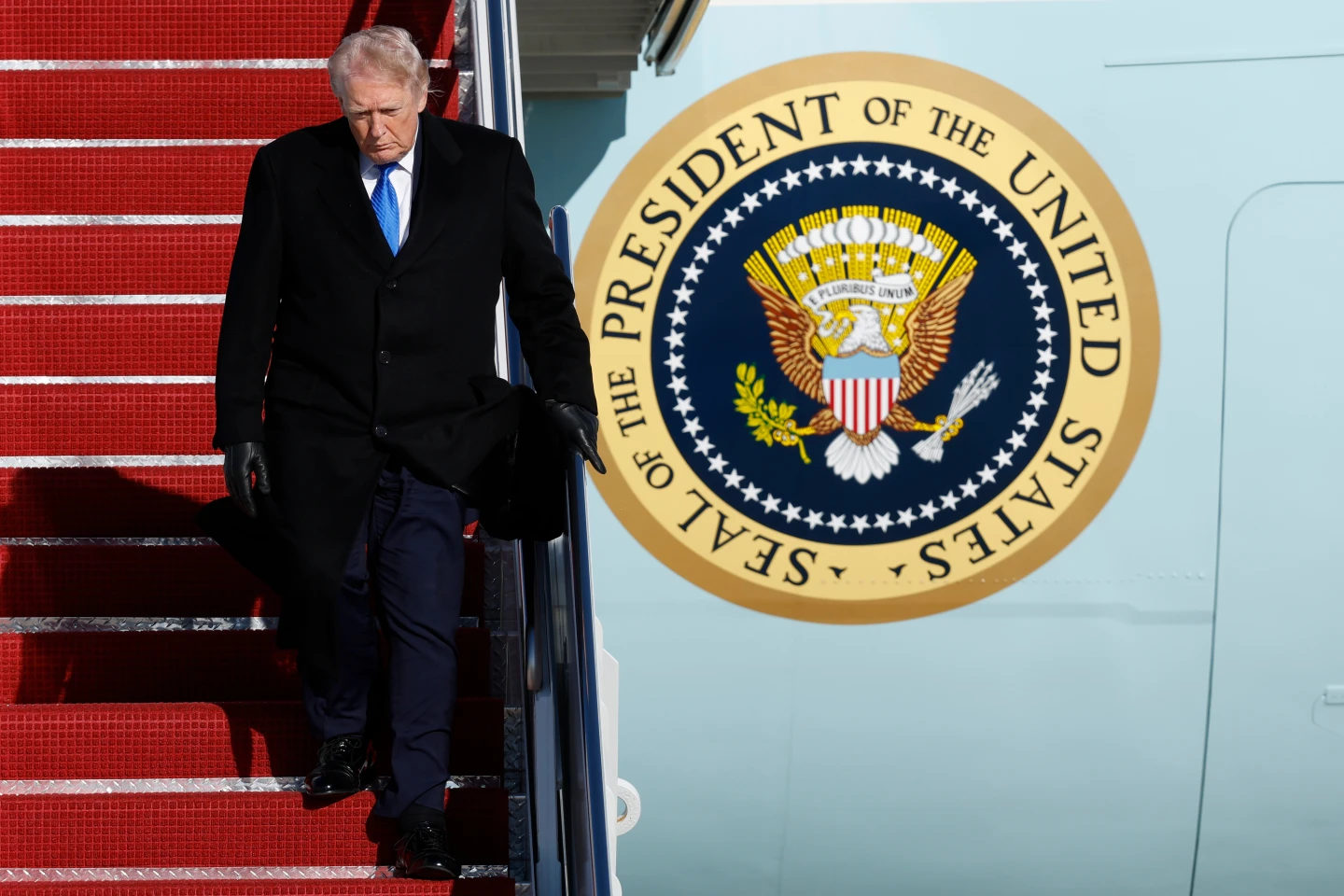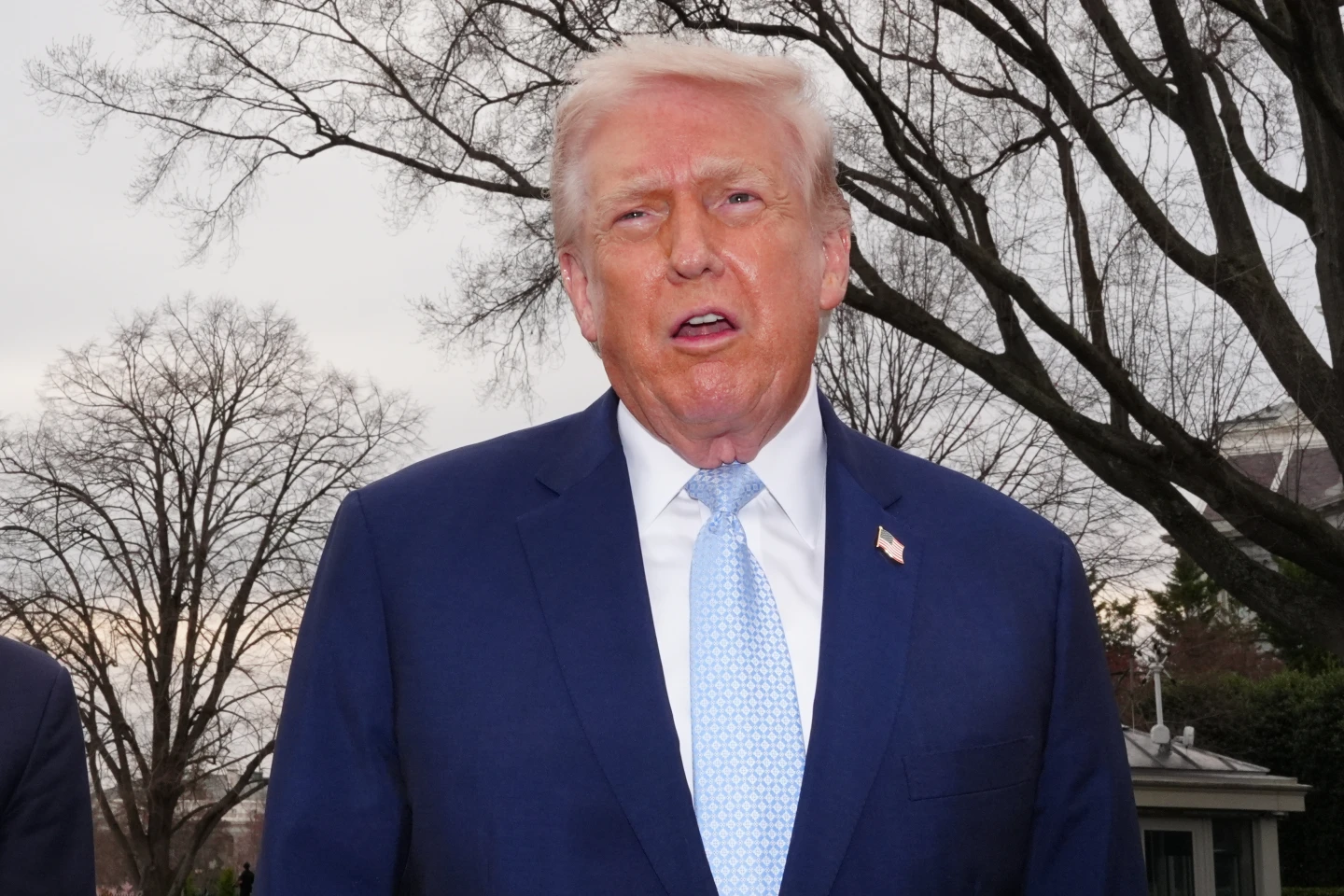
South Africa is facing a growing crisis in its fight against HIV/AIDS following significant cuts to U.S. funding, which were triggered by an executive order from President Donald Trump shortly after his inauguration. The decision to freeze U.S. aid raised alarms in the South African health sector, as the country stood to lose an estimated $400 million annually – a substantial portion of its HIV response funding.
The South African government responded with just $46 million in emergency funding last year, covering only a fraction of the lost American support. Additionally, while the U.S. has provided a temporary 'bridge plan' of $115 million to assist during the transition, the long-term impact remains dire, as ongoing U.S. contributions have historically been pivotal for HIV programs since the inception of PEPFAR in 2003.
Currently, about 13% of South Africa's population lives with HIV, making it the nation with the largest number of HIV-positive individuals worldwide. The national health initiatives that have successfully saved millions of lives are now at risk due to funding cuts. As healthcare leaders highlight, without adequate financial resources, the reduction in HIV testing, prevention services, and treatment options is inevitable, potentially leading to an increase in new infections.
Local health organizations, such as the Desmond Tutu Health Foundation, have been particularly affected. Their co-founder, Prof. Linda-Gail Bekker, emphasizes the critical nature of the fading U.S. support, which accounted for around 40% of the organization’s funding. She notes that this financial gap hampers vital last-mile services aimed at reaching marginalized populations that do not access standard health facilities.
The repercussions of these funding cuts are becoming evident on the ground level. Mobile clinics, which cater to those uncomfortable attending public health services, face closure, as seen in neighborhoods like Philippi, one of Cape Town’s historically dangerous areas. Women like Esethu, who rely on these mobile services for preventive treatments, are expressing alarm at the potential lack of access to HIV resources.
As South Africa strives to fill the financial void left by the U.S., Health Minister Dr. Aaron Motsoaledi hopes that upcoming budgets will reveal increased funding for HIV initiatives. Moreover, international partnerships and alternative donors are being sought to sustain critical services as the threats of HIV grow.
Experts warn that the long-term outcome is uncertain. Without immediate measures to address funding shortages, up to 180,000 new HIV infections could emerge as barriers to treatment and prevention grow. The global community is now questioning whether we can truly end the HIV epidemic, as work in South Africa is pivotal for international success in combating this disease.