In brief
In Minnesota, the Somali community is grappling with a critical decline in measles vaccination rates, dropping from 92% in 2006 to around 24% today. Public health officials attribute this decline to increasing fears associated with federal immigration enforcement and the spread of vaccine misinformation. Community leaders and health professionals stress that current priorities among families are centered on basic survival rather than healthcare, complicating vaccination initiatives. As measles cases rise, the risk to unvaccinated children grows, prompting urgent calls for renewed outreach efforts in the community.
MINNEAPOLIS (RTWNews) — As federal immigration authorities intensify enforcement in Minneapolis, public health officials and community leaders are sounding alarms over an impending health crisis. Vaccination rates for measles among the state’s large Somali community have drastically fallen, from 92% in 2006 to a troubling 24% today. This alarming trend appears linked to widespread fears over immigration, compounded by pervasive misinformation surrounding vaccines, particularly the erroneous belief connecting the measles, mumps, and rubella (MMR) vaccine to autism.
Despite facing four significant measles outbreaks since 2011, the community's vaccination rates have not sufficiently improved, with many families prioritizing daily survival over seeking medical advice, especially about vaccines. Nurse practitioner and clinic CEO, Munira Maalimisaq, highlighted the dire situation: “Vaccines are the last thing on people’s minds. But it is a big issue.”
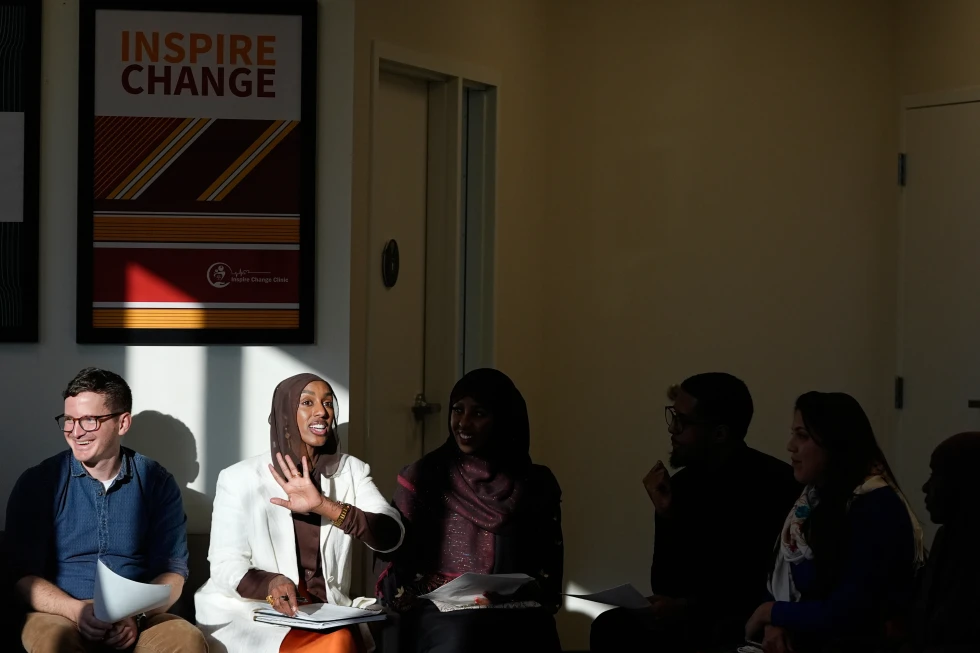
Community-led vaccination initiatives, including mobile clinics and educational forums, have seen limited successes. With fears of immigration enforcement paralyzing the community, many Somali parents are reluctant to seek medical assistance altogether. Imam Yusuf Abdulle echoed these sentiments, stating, “People are stuck in their homes, cannot go to work. It is madness.”
The issue of vaccine hesitancy is exacerbated by the autism rates within the Somali community, which are notably higher than the national average. Parents are frequently inundated with questions regarding vaccine safety, burdened by the fear of autism without reliable scientific evidence.
Local health initiatives, while aiming to rebuild trust, continue to face obstacles due to the inconsistent nature of community outreach and education. As measles is resurgent, relevant public health collaborations have become crucial.
Experts warn that the drop in vaccination rates leaves children vulnerable to measles—a highly contagious virus. Access to accurate information and consistent reinforcement from health professionals is deemed critical to curbing this trend and encouraging families to vaccinate their children.
With the path toward restoring vaccination rates fraught with challenges, leaders within the Somali community stress the importance of dialogue and support among families, emphasizing that effective solutions require collective efforts.