Inside Taliban‑run Afghanistan
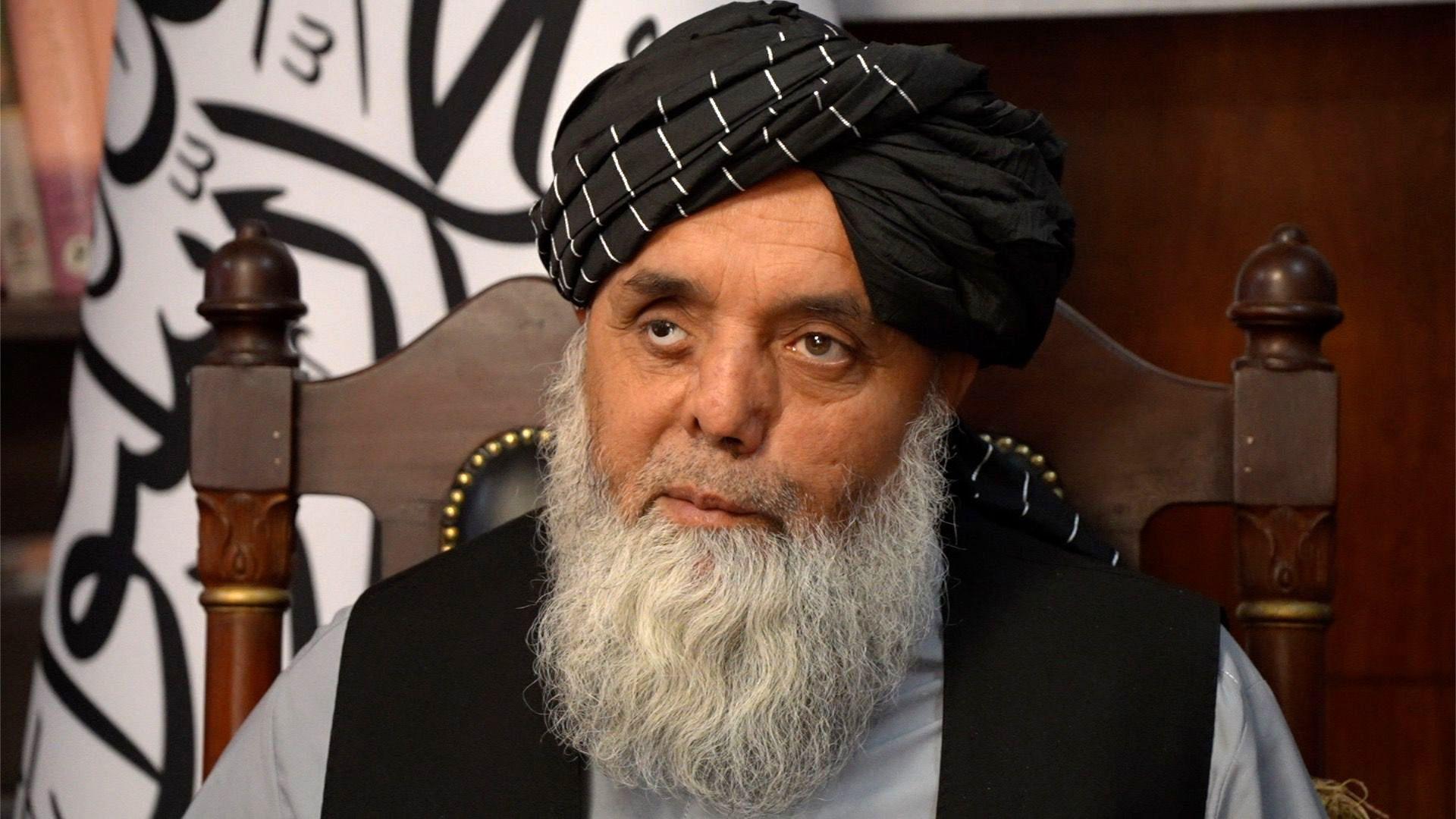
Five years after the Taliban seized power, BBC reporters journeyed to Sheberghan, a provincial capital in northern Afghanistan, to uncover how the regime’s policies play out in everyday life. In the governor’s office, a young woman—her face veiled, her voice steady—pressed for a divorce after enduring months of abuse. Governor Abdullah Sarhadi, a former Taliban commander held in Guantanamo Bay, briefed the BBC on a smartphone ban that forces officials to use an old‑style phone with a tiny screen, slowing communication but leaving the regime’s ideologies largely intact.
The story began with a scene of Sarhadi handing money to a boy’s doctor and disbursing funds to a local mosque, then pivoting to the courtroom‑like plea for divorce. He repeatedly dismissed the woman’s request and spoke loudly of “mindless” women, setting a tone of contempt that echoed Taliban hard‑line interpretation of Sharia that still shapes Afghan society. Despite protests, the governor insisted that divorce is a rare privilege, often demanding a financial settlement and threatening jail for a spouse who beats.
Beyond the governor, BBC journalists crossed into Kabul to meet Habibullah Badr, a former suicide‑attack orchestrator now deputy head of the prisons ministry. In an armoured car ride, Badr recounted how he once plotted attacks that killed thousands, but he now deflects questions about civilian deaths to avoid unsettling the nation. His silence reflects the Taliban’s strategy to keep past violence quiet while controlling the narrative.
The reporters also interviewed former fighters who hid in caves to escape capture. One, Abid Lalai, showed them the remnants of his former hideouts, a stark reminder of the insurgents’ past and Afghanistan’s ongoing security challenges. In a region where UN estimates 75% of people cannot meet basic needs, even local officials face shortages of water, roads, and clinics.
In the media wing of the Taliban’s press centre, spokesperson Zabihullah Mujahid, who has embraced his real name Tahir Shah Seddiqi, unfolded the government’s position: women may work and study “within our frameworks”, yet such activities risk undermining moral values according to a strict Sharia lens. He vigorously defended the blockade of women in education and media freedoms, insisting Afghan society can not permit “propaganda that goes against Islamic laws and rites”.
The BBC’s journey through Afghanistan shows a government that blends brutalist history with the daily governance of a nation under extreme religious rule. While the Taliban promised reforms, the story of a young woman’s divorce and the continuity of brutal policies signal that real change remains far from reach for many Afghans.