In brief
In Ghor province, Afghanistan, many fathers find themselves in a dire situation where they must consider selling their daughters as a means of survival amid rampant poverty and diminishing aid. The country's economic crisis has led to record hunger, leaving families to make impossible choices. The article explores the devastating impacts of unemployment and cultural practices leading to this tragic state, as fathers seek work desperately while fearing for their children's lives.
As dawn breaks, hundreds of men gather at a dusty square in Chaghcharan, the capital of Ghor province in Afghanistan. They line the roadside with weary faces, hoping someone will come along offering any work. It will determine whether their families eat that day. The likelihood of success, however, is low.
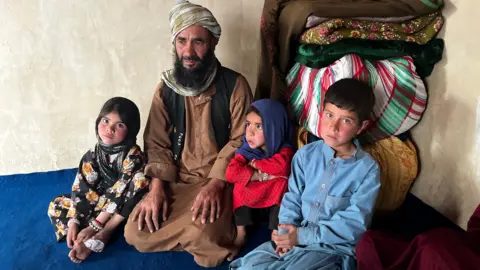
Juma Khan, 45, has found just three days of work in the past six weeks that paid between 150 to 200 Afghani ($2.35-$3.13; £1.76-£2.34) per day. My children went to bed hungry three nights in a row. My wife was crying, so were my children. So I begged a neighbour for some money to buy flour, he said, voicing a sentiment echoed by many. His story is increasingly common in a country where three in four people cannot meet their basic needs.
A staggering number of families are now facing life-or-death decisions. Abdul Rashid Azimi expresses his despair, stating, I'm willing to sell my daughters... I'm poor, in debt and helpless. His words reflect a harsh reality: as cultural norms dictate sons are future breadwinners, daughters often become commodities in a desperate attempt to secure food.
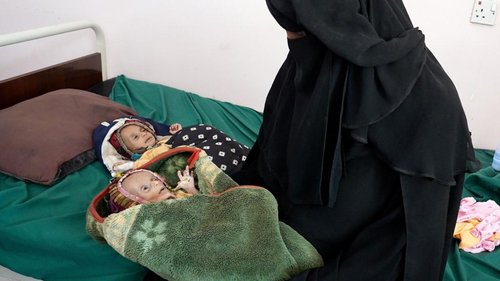
The country is experiencing record levels of hunger, with over 4.7 million people at risk of famine. Ghor province is among the hardest hit, where the desperation of men seeking jobs reveals a deep societal crisis. Many fathers find themselves caught in a tragic cycle where their children's lives are weighed against their financial survival.
For some families, the choice has already been made, with reports emerging of fathers forced to sell their daughters for marriage or work. Saeed Ahmad explains how he sold his daughter, Shaiqa, to cover medical expenses. This grim practice is exacerbated by the Taliban's restrictions on education and female work, trapping girls in a vulnerable position.
The situation is compounded by reduced international aid and severe drought affecting a significant portion of the country. With basic resources dwindling, families often lack necessary medical care for their children, leading to increased mortality rates among the young.
As Afghanistan navigates these challenges, the voices of those affected cry out for help, revealing a heartbreaking side of survival amidst a humanitarian crisis.