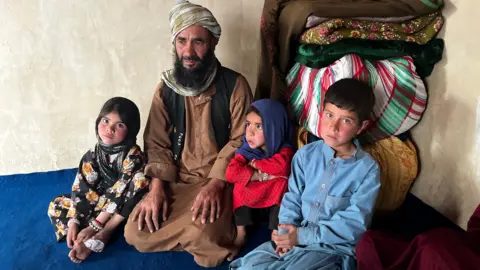
As dawn breaks, hundreds of men gather at a dusty square in Chaghcharan, the capital of Ghor province in Afghanistan, lining the roadside in hopes of finding work that will determine whether their families will eat that day. However, the likelihood of success is low.
Juma Khan, a 45-year-old man, reports having found just three days of work in the past six weeks, earning meager pay that barely sustains his family's needs.
"My children went to bed hungry three nights in a row. My wife was crying, so were my children. So I begged a neighbor for some money to buy flour," he shares. His fear of losing his children to hunger is palpable.
This heart-wrenching scenario is far from unique. According to UN estimates, an alarming three in four Afghans cannot meet their basic needs. The country is facing record levels of hunger, with over 4.7 million people—more than one-tenth of the population—on the brink of famine. Ghor is among the worst-affected provinces, and the desperation is evident among its men.
For many like Rabani, who reveals that his children have gone days without food, the struggle becomes overwhelming. We witness firsthand the chaos as individuals fight for scraps of food distributed by local bakeries, a stark depiction of their dire circumstances.
Desperation leads some fathers, including Abdul Rashid Azimi, to contemplate the unthinkable: selling their own children. Azimi tearfully declares he is prepared to sell his daughter to provide for his other children. "I come home from work with parched lips, hungry, thirsty, distressed, and confused. My children come to me saying 'Baba, give us some bread'. But what can I give?"
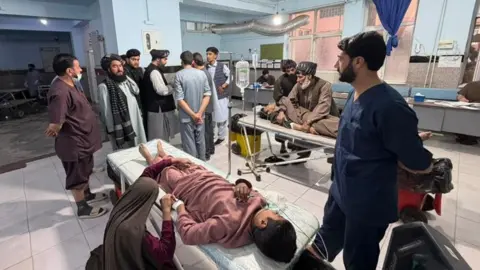
Such choices are not isolated. Saeed Ahmad shares his own painful decision to sell his five-year-old daughter, Shaiqa, to cover medical expenses for her appendicitis, as he lacked the funds for treatment. The devastating impact of extreme poverty forces families to make impossible choices, with heartbreaking consequences.
The international community's response has also waned, with significant cuts in aid leading to a further decline in living conditions. As support dwindles and unemployment surges, community members express their dismay, attributing their plight to both local and global crises. Tales of suffering, loss, and sacrifice serve as a chilling reminder of the ongoing humanitarian disaster in Afghanistan.