In brief
The BBC reports on a 18‑year‑old woman who demands a divorce despite persistent pressure from Taliban officials. In Kabul and Sheberghan, authorities continue to enforce strict Sharia‑based policies, limiting women's education and workplace participation. Governor Abdullah Sarhadi, a former martyr of the 1990s Taliban, still upholds rigid cultural norms while arguing over medical and security funds. The regime also blocks smartphones for officials, stalling modern communication. Meanwhile, former insurgents reveal hidden caves and old camps, highlighting the lingering legacy of conflict.
In the northern Afghan province of Jawzjan, Governor Abdullah Sarhadi handed cash to pay for a boy’s broken arm while at the same time distributing funds for a new mosque. He could have spent those few minutes explaining new tech policies, but instead he turned to a dramatic meeting with an 18‑year‑old woman who asked for divorce.
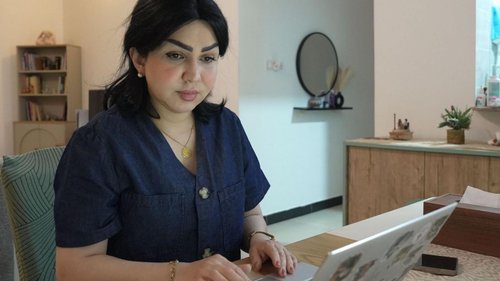
Behind a full‑face veil and sunglasses, the young woman boldly declared that her honour had been ruined and she would not accept a no answer. The governor, surrounded by male officials and bodyguards, dismissed her conviction with jokes and a harsh comment about women being “mindless”. He warned that abusing her would land her in jail.
In a country where girls are forbidden from secondary education and most private jobs, the woman had no alternative but to seek the legal path her husband had refused to follow – a divorce that under Sharia normally requires the husband's consent or a court order.
Through the day‑to‑day experience in Sheberghan, the BBC got rare insight into Taliban governance. The governor admits that officials can no longer use smartphones, losing fast correspondence with letters or documents. He warns that any question about the ban may “cause trouble”.
His past under the Taliban is still clear – he fought in 1990s war, held a high rank, and was imprisoned at Guantanamo in the early 2000s. After his release, he re‑entered Afghan politics as a governor, bringing the same conservative outlook that defined the group.
He openly spoke about the destruction of ancient Buddha statues in Bamiyan, claiming he personally destroyed them, calling it “God’s will” and stating that idols can’t be sold – but must be smashed.
Elsewhere in Kabul, senior Taliban leaders like Habibullah Badr and Zahid Badr reveal they still manage military operations. Badr once oversaw suicide attacks that killed civilians. He calmly deflects from specifics and hints at a policy of protecting civilians from foreign military spots, while refusing to explain attacks that killed Afghan citizens.
Despite claiming progress on women’s rights, key Taliban officials like the spokesman Zabihullah Mujahid and the ex‑government press officer restate Sharia as a “lens” that limits women’s study and employment. Their statements also double‑talk about media freedom, hinting at a belief that unrestricted media would “propaganda against Islamic laws”.
In reality, the Afghan women interviewed describe despair, with many experiencing arrests for protesting, and statements that education for girls is a “viable discussion” that will be covered by a Sharia‑based solution. The government’s current policies, such as banning parks for women, cutting off telecommunications for officials, and restrictions on music, remain.
In summary, the Taliban’s second period of rule keeps many of its original hardline approaches, from control over women’s education and employment to punitive enforcement of Sharia law, all while presenting itself as a moderate change in governance. The BBC continues to follow the evolving dynamics of this society where women and journalists must navigate a fragile, often dangerous status quo, and where the remnants of past jihadist operations still loom over the new administration.