In brief
Afghan authorities have suspended BBC FM broadcasts across the country, alleging repeated violations. The only remaining international news source for millions of Afghans, the BBC claimed it will continue to provide independent reporting through shortwave and other means. The move highlights the Taliban's tight grip on media, restrictions on music and women’s on‑air presence, and ongoing challenges for information access in Afghanistan.
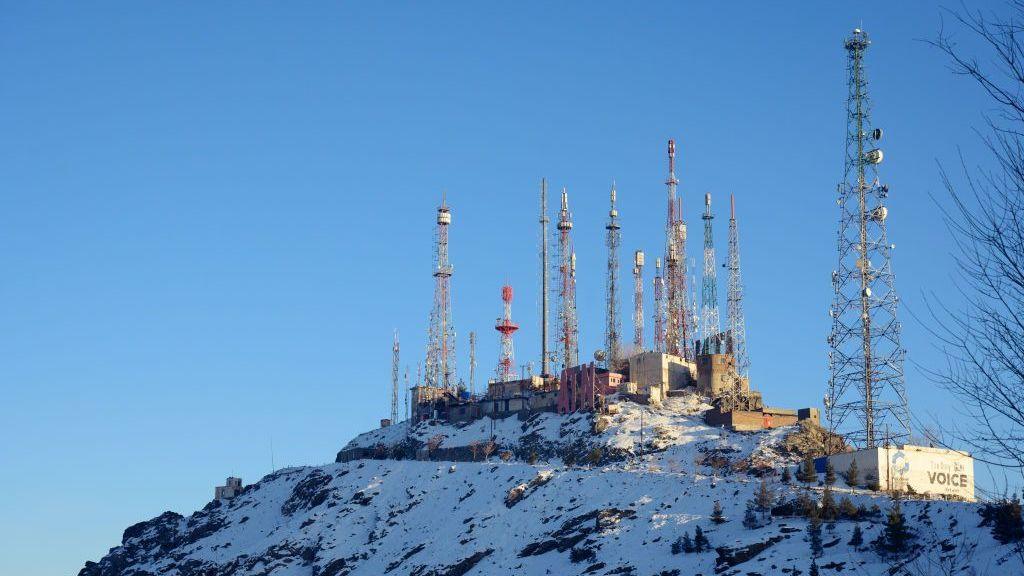
The Taliban has turned off all BBC FM broadcasts across Afghanistan, citing violations that the agency has not explained.
A spokesperson for the Taliban said the BBC had been suspended because of repeated violations but did not give details.
Since the U.S.-run outlets were banned in 2022, the BBC remains the only foreign news service operating in the country.
The broadcaster said millions rely on BBC for accurate information and that it is working with authorities to resolve the issue.
In a statement, the BBC confirmed it will continue reporting fairly and independently in Pashto, Dari and English via shortwave, medium wave, online and satellite channels.
Every week the BBC reaches more than 20% of Afghanistan’s adult population, offering news and educational programming aimed at girls restricted from secondary schools.
The Taliban’s Ministry of Information and Culture, through spokesman Khubaib Ghufran, explained that the service is suspended 'for the time being' because of repeated violations.
The Taliban tightly controls media operations, keeping music off the air and limiting women’s visibility on screen.
Women no longer co‑present alongside men, and the regime has imposed strict visual and content restrictions.
While some social media remains accessible, outages, high costs and low literacy hinder widespread use.
BBC’s Afghan service has run continuously since 1981.