In brief
The 2026 Asian Games in Nagoya fell short of Japan’s high standards for event management, with athletes housed in cramped container units, last‑minute increases in participants straining hotel capacity, and logistical errors such as wrong national anthems and misplaced flag‑raising ceremonies. The decision to hand venue operations to GL Events, a company chosen for its lower bid, was criticised for cutting corners and lacking experienced staff. While organisers assured prompt fixes, the series of mishaps sparked formal apologies to affected delegations and raised concerns about Japan’s ability to host future international competitions.
Japan has long prided itself on flawless hosting of major events, from the 2020 Olympics to global video‑game conferences. The 2026 Asian Games in Nagoya, however, exposed a sharp contrast between that reputation and on‑the‑ground reality.
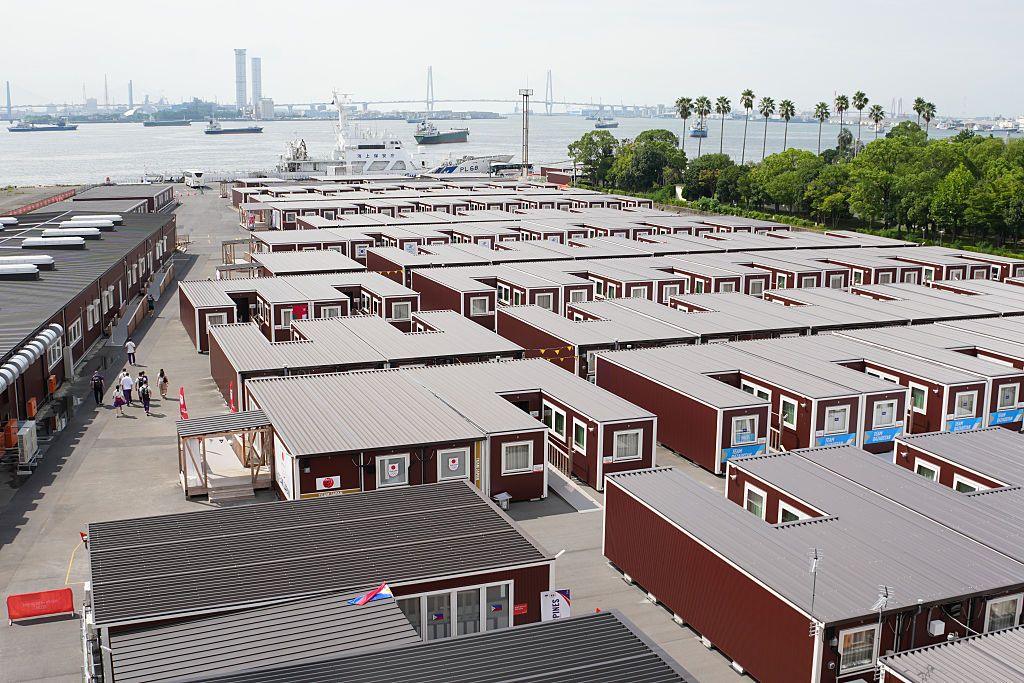
Mini‑villages in glassy Olympic complexes were replaced by rows of brown shipping‑container units because the organisers chose to cut costs. The decision left athletes and officials crammed into tiny rooms that simply did not fit tall competitors – one Korean basketball official noted that players were forced to “stretch their legs out on the beds.”
The accommodation shortfall worsened when the number of participants grew: the committee originally planned for 15,000 delegations but was hit with an extra 2,000 entrants, prompting an emergency call to a 1,500‑cabined cruise ship to add capacity.
Logistics extended beyond lodging. Teams were bussed to wrong venues, the North Korean anthem played for South Korea’s hockey squad, and the South Korean flag was improperly raised during the men’s football gold ceremony. A Taiwan sports minister was briefly barred from a flag‑raising event. Volunteers who received an email offering free tickets to the closing ceremony later learned the offer had not yet been approved.
The problems prompted a formal apology to South Korea and raised questions about Japan’s future bid prospects. With 54 world‑records thrown into the mix, the organising committee tried to turn the Games into a showcase – yet the mishaps cast a bruising shadow on the famed Japanese hospitality known as “omotenashi.”
Central to the controversy was the choice of venue operator GL Events, a subsidiary of French company GL that won the contract with a substantially cheaper bid. Investigations reveal that the firm may have handled an inexperienced workforce, highlighting a failure in contractor oversight. The organising committee insisted GL had relevant experience, but experts argue the breadth of responsibility given to the firm was too vast for it to manage without proper staff.
Despite the chaos, organisers under Deputy Director General Takaaki Omi said they responded to criticism and corrected many shortcomings, yet the rapid fire of incidents over several weeks left a lasting dent in Japan’s event‑organising credibility.
The Para Games, still underway, continue to register snags, with wrong anthems playing at three events. Nagoya Mayor Ichiro Hirosawa, who also chairs the Games steering committee, has called the errors unacceptable and offered public apologies.
Prof. Kozo Tomiyama of Osaka University urged organisers to absorb the lessons from these weeks, noting that Japan’s reputation as a top priority host hinges on steering such events with competence and respect for all delegations.