In brief
One Iraqi web‑activist, Sarah Jassim, publishes harassing videos on Instagram to document sexual violence and trigger police action, but her work has earned her threats and a new quiet life at home. The testimony of victims such as Amal and Samira shows how courts are slow, police are often unsympathetic, and shelters are scarce. Coupled with the murder of co‑activist Yanar Mohammed, the report paints a bleak picture of a society that tolerates violence yet offers little protection for those who speak out. Activists argue for clearer legislation on harassment and gender‑based violence, insisting that evidence and public pressure can drive change even in a hostile environment.
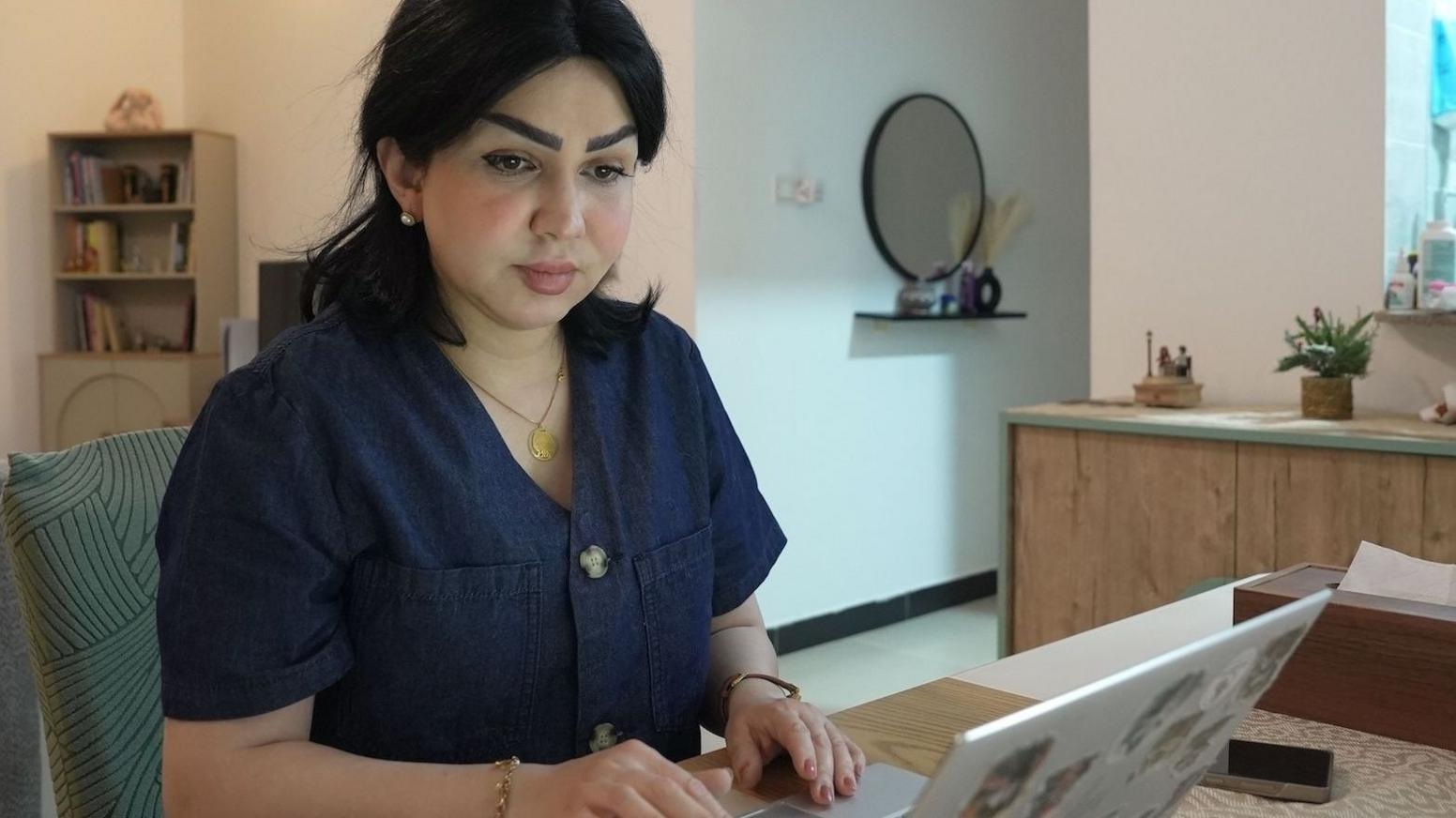
Sarah Jassim sits at a quiet desk, her screen alive with clips that catch moments of harassment in Baghdad’s streets. She describes her camera as a “weapon” that turns witnesses’ re‑count into hard evidence, a strategy that has led to the arrest of a policeman accused of harassing schoolgirls. The same act that offers justice also brings intense backlash.
When a driver can’t open his door after a woman shouts “Get out of the car!”, the recording spilled onto Jassim’s Instagram, exposing a public display of sexual assault. She reports: “I have received death threats, and I have also been threatened with acid attacks.” These threats have left her largely inside her home, with a dog as her only companion.
The stories of victims such as Amal – who claims her ex‑husband repeatedly raped their daughter under threat of a “honour killing” – highlight the law’s shortcomings. Despite medical and DNA evidence, Amal sees her case stalled, and her ex‑husband is still on the run. She says, “I just want him to stay out of my way forever.”
Women who pursue justice go through a grueling process: first, convincing their families to let them speak; second, navigating a police station where “settle it quietly” is the prevailing advice; third, confronting a court system that “has no protection, and no justice for women in Iraq,” according to head of the Iraqi Observatory for Human Rights, Mustafa Saadoon.
The systemic silence is made worse by the lack of shelters; many survivors have no safe place to live. An international human‑rights report calls for repealing “discriminatory” laws, such as those that exonerate rapists if they marry their victim or reduce sentences for honour‑killings.
Meanwhile, the death of fellow activist Yanar Mohammed outside her house underscores the danger involved. Her murder, still uninvestigated, was widely believed to be carried out by extremist militia. Activists like Hanaa Edwar highlight that “there are no laws, no protection, and no justice for women” – a sentiment that echoes throughout the country.
These narratives suggest that the fight against sexual violence in Iraq is not just about prevention but also about confronting deep‑rooted attitudes. Activists argue passionately for new legislation, clearer definitions of harassment, and a supportive system that holds perpetrators accountable rather than ignoring or excusing them.
If you are living in the UK and need help, many organisations offer advice and support. Information is available through the BBC Action Line and similar services.