In brief
After Saturday’s nationwide protests, France is divided on the origin of the violence. Student activists claim grassroots motives, while far‑left parties are accused by government officials of orchestrating attacks. Politicians ranging from the prime minister to presidential hopefuls blame each other, while social media has amplified fears of a “TikTokisation” of violence. The debate echoes broader discontent among European youth over escalating costs and perceived governmental failure. As authorities seek to prosecute offenders, the country faces renewed scrutiny of its political rhetoric and policing strategy.
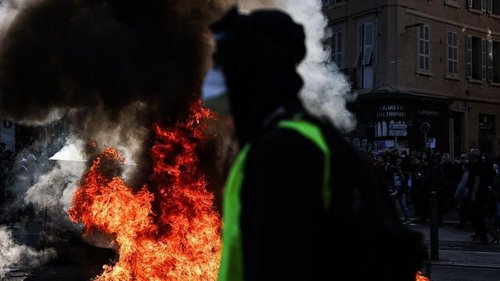
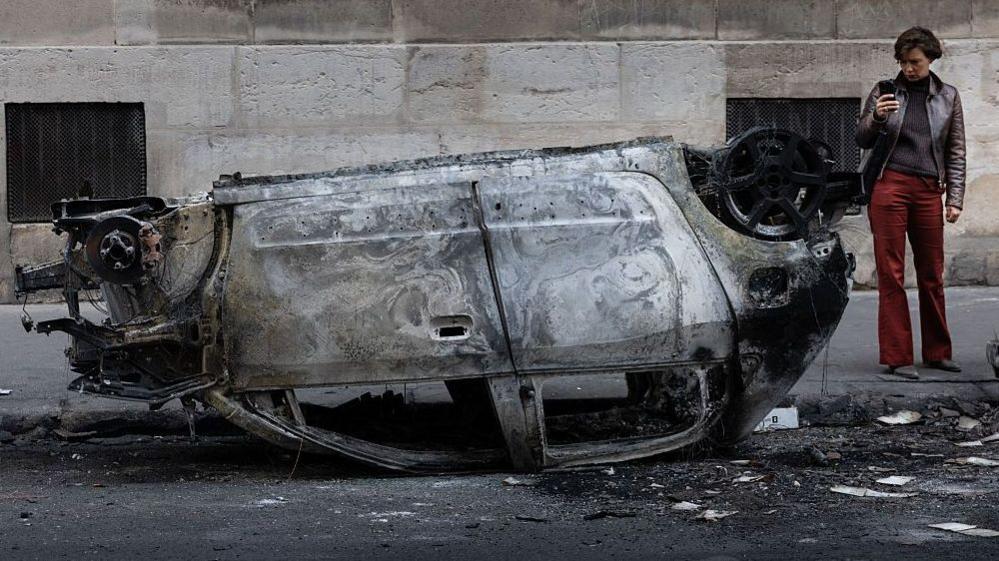
Across Paris and other cities, residents, students and politicians have offered conflicting explanations for the sudden wave of violence that erupted on Saturday night. While the Prime Minister has blamed far‑left groups for a pre‑planned assault on police vans, student unions insist their demonstrations were spontaneous and aimed at demanding better public services.
According to government sources, a recent intelligence brief linked anarchist symbols – a black ‘A’ circled in black – to several acts of vandalism. Parliamentary leaders have vowed to launch an inquiry, hoping to trace the roles of left‑wing movements such as La France Insoumise (LFI) and their armed youth wings.
In contrast, representatives from student bodies, including Lisa Cordat of the FSE union, have denied any state manipulation of protest movements. Cordat said that mobilisations were organised through student networks and social media chat groups, stressing that any claims of coercion were “insulting.”
Both sides blame one another for the chaos. Prime Minister Sébastien Lecornu accused small “ultra‑left” gangs of “pouring oil onto the fire,” a phrase echoed by Interior Minister Laurent Nuñez. LFI leader Jean‑Luc Mélenchon refuted these accusations, noting that many of his supporters had been present at the student marches for weeks, advocating for educational reform.
The violence, which included looting of more than 3,000 shops, has led to calls from both sides for tighter controls on social media. Former Prime Minister Gabriel Attal has suggested selective blackouts of platforms that may be “fueling” further unrest. Meanwhile, Belgian authorities warn of the “TikTokisation” of violence, citing the spread of footage that could inspire a generation of young protestors.
As France faces a presidential election in the coming months, the incident has become a political touchstone. Marine Le Pen has leveraged the unrest in her campaign, praising the government’s failure to protect citizens and positioning herself as the voice of order. The debate, however, underscores deeper societal frustrations, particularly among young people concerned about rising living costs, public service decline, and a growing sense of political alienation.