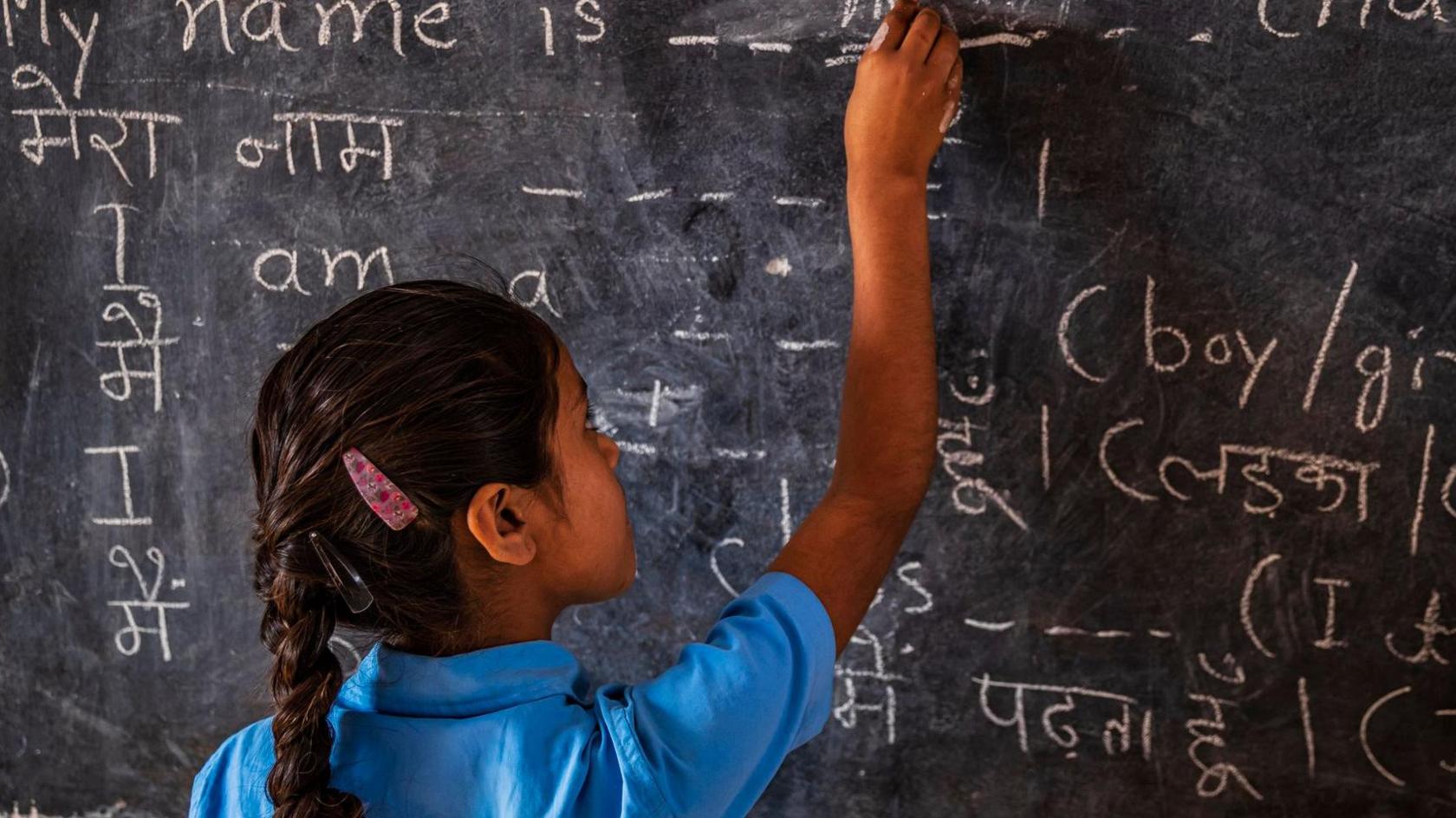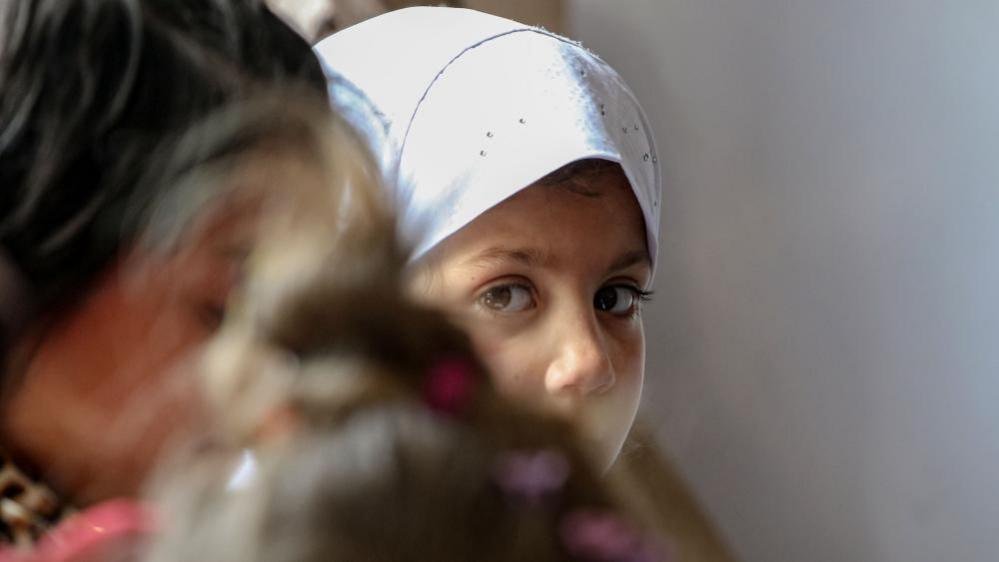
Five years after the Taliban seized control of Afghanistan in 2021, women across the country are telling the BBC that their lives have become unrecognisable.
\The Islam‑hard‑line regime has systematically eroded women's rights, making it difficult for many to live publicly and share their stories.
\Women in Kabul reported that the Taliban banned girls over 12 from attending secondary schools, restricted their travel outside the city unless accompanied by a male chaperone, and created laws that effectively sanction child marriage.
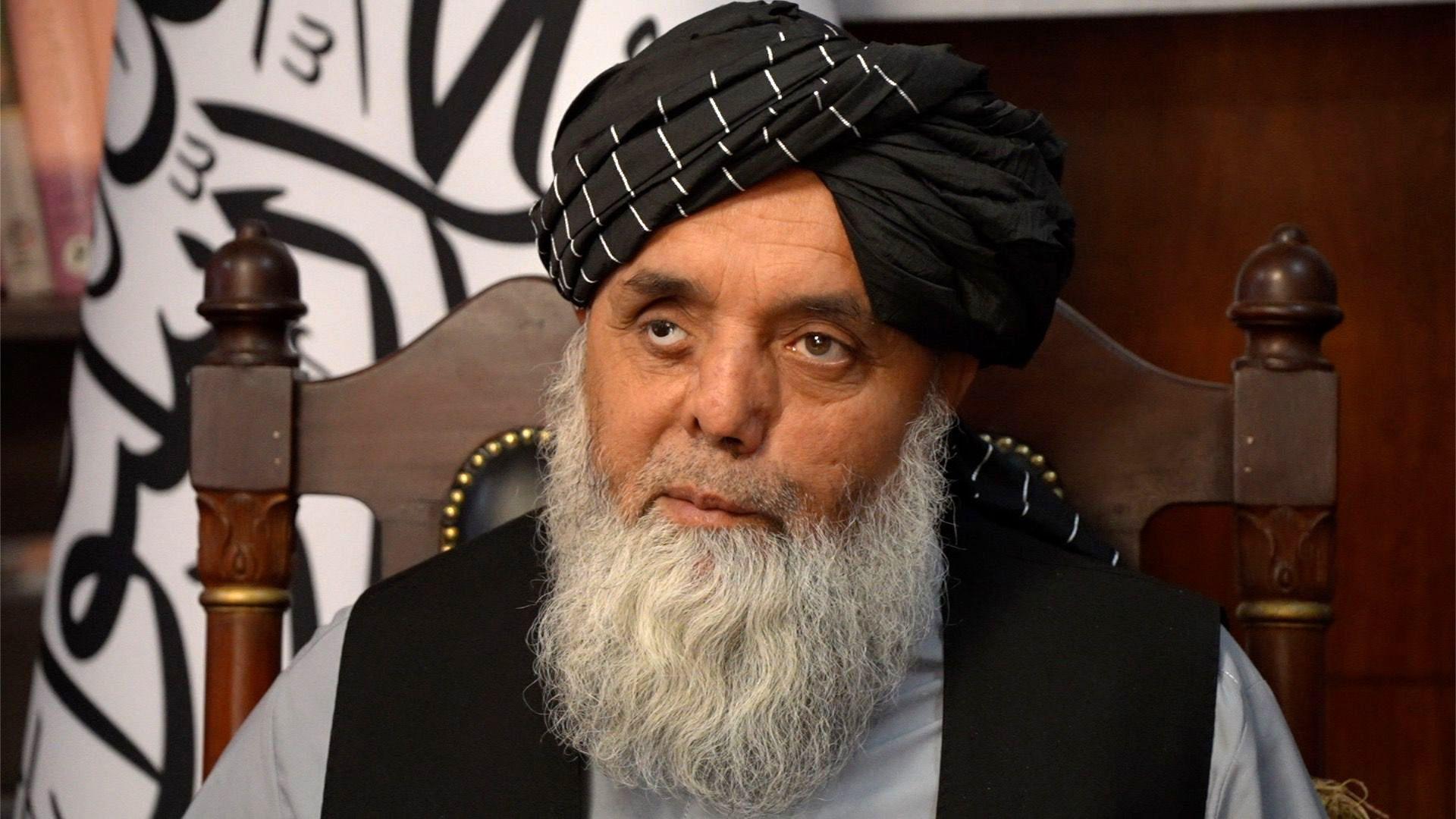
\When asked to explain the scope of restrictions, Taliban foreign minister Amir Khan Muttaqi claimed women are not totally restricted, yet women say the reality is far different and touches almost every aspect of life.
\This story contains distressing details.
\Personal Testimonies
\In Kabul, Ela, a 30‑year‑old dental assistant, said, People are overwhelmed by poverty and daily hardships; my education and dreams have been put aside. Survival is now the priority, and we have no time to think about the future.
\Shakiba, an 18‑year‑old jewellery maker, reflected, When that 15 August fell, my world shattered. Every year on that date, the pain returns, and I feel my ambitions—like becoming a pilot—melt away. I managed to finish secondary school online, but the dream feels impossible under the Taliban law.
\Zuhal, a former journalist turned farmer, described how her job was stripped away: I was proud of reading the news for live broadcasts, but now I stay home with no work. The days I once woke to an alarm clock are gone, replaced by the quiet of a home, a life lost to my voice.
\Harrowing Punishments
\The Taliban's return to corporal punishment has left women traumatized. Shaima, who endured 50 lashes for having a male friendship, revealed: They forced me to have a confession on a stand, flinging me before a crowd of men, children and guilt. The scars, both physical and mental, continue to haunt my family and me.
\Manizha, a woman who was also publicly lashed 39 times, said, I could no longer marry or join my community. The feeling of shame it brought has followed us, and the thought of marriage itself has become unbearable.
\Hope Amidst Despair
\Not all stories end in despair. Noori, a 24‑year‑old law student, has transformed her struggle into entrepreneurship. Even though my degree is unfinished, I started working at a jam‑making company and now run my own business, employing ten women. We provide skill and dignity, giving others hope for the future, she shares.
\Asma, aged 13, remains determined to pursue medicine. One day everything will change, and we will not lose hope. Speech is our strength, she tells the BBC.
\Ela, the dental assistant, begs for global solidarity: Speak up for Afghan women, support women’s education and work. Keep the world’s attention on their situation; we need solidarity, not silence.
\The BBC continues to report on these stories, offering a real‑time pulse of the lives of Afghan women striving for dignity, hope, and the freedom to dream again under Taliban rule.
\