In brief
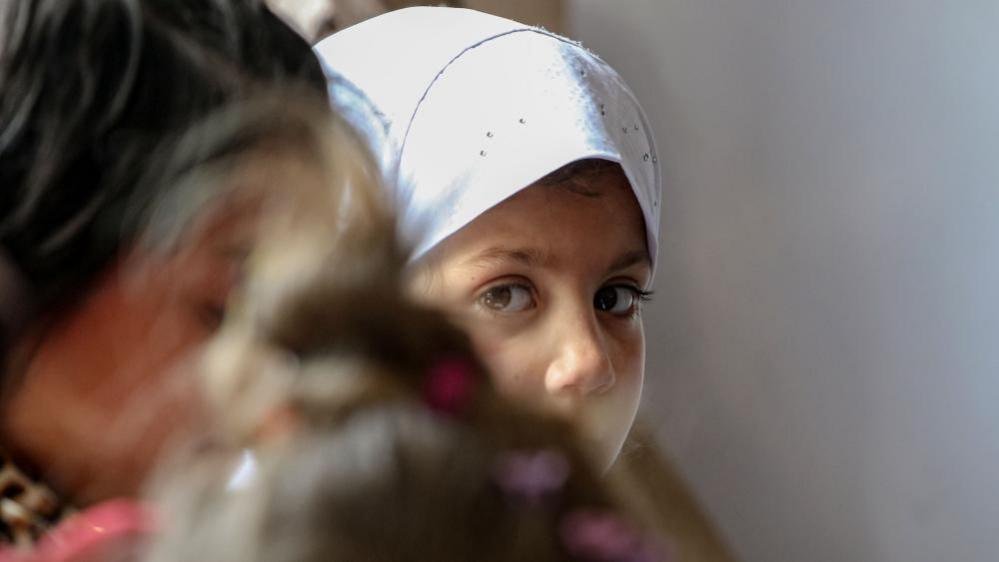
Afghan women living under the Taliban’s hard‑line regime have revealed how daily life has changed, with schools shut for girls over 12, travel requiring male chaperones, and child marriage now legally reinforced. Interviews with women across Kabul, the countryside, and the capital show the restrictions touch every aspect of life, leaving many to prioritise survival over hope and dreams. Despite these hardships, some women remain resilient, using limited opportunities to teach, work, or advocate for others, while calling on the international community for support. The story highlights both the widespread repression and the quiet struggle for resilience amid fear and uncertainty.
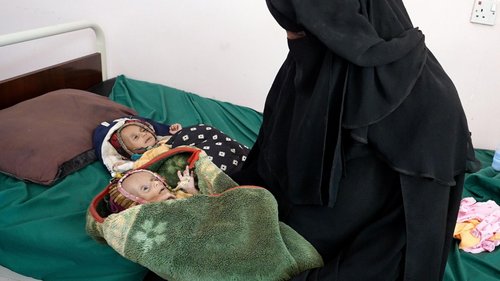
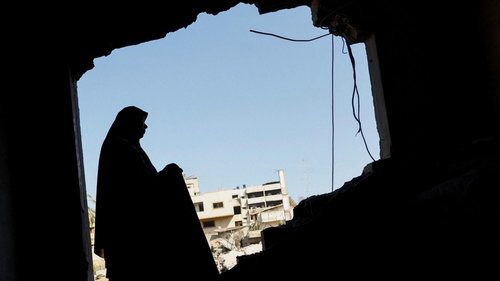
In the five years since the Taliban seized power in 2021, 22 million Afghan women have seen their rights systematically eroded. From schools closed for girls over 12 to travel mandates that require a male companion, and the legal endorsement of child marriage, the regime has reshaped the entire social fabric.
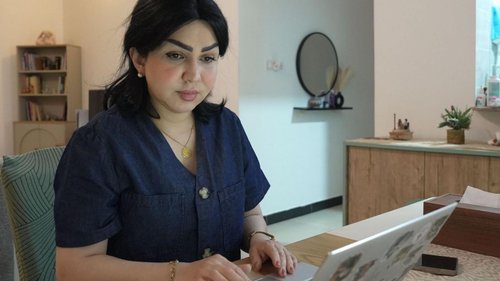
Eager voices emerge from Kabul, the countryside, and provincial centres, each describing how the barriers strip away aspirations. One woman, Ella from Kabul, admits that “poverty and daily hardships have left us to put education, dreams, and hopes for the future aside.” Her words echo the collective urgency—survival now eclipses ambition.
If you or someone you know is affected by the issues described in this article, the BBC Action Line offers help and a list of organisations that can provide support.
The Taliban’s Foreign Minister, Amir Khan Muttaqi, framed the restrictions as “not total.” Yet experts note that the regime’s rule of law has effectively abolished secondary and higher education for girls, leaving approximately 2.6 million children unable to attend school beyond Grade 6. A woman, Shakiba, who finished secondary school online, shares the weight of her dream of becoming a pilot now seeming impossible.
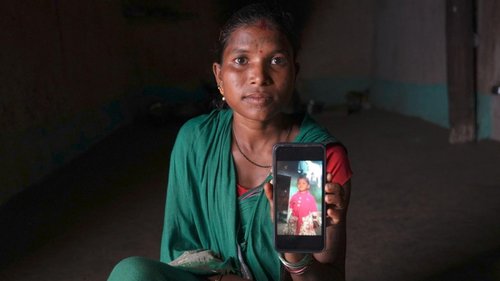
Reported incidents of corporal punishment add another layer of terror. Shaima recounts being flogged fifty times for her friendship with a man, a punishment that left lasting physical scars and terrified her children every night. The public scene was designed to deter others, but the true scale of such violence may be far higher than official records suggest.
Amidst these hardships, stories of hope persist. Noori, a 24‑year‑old who once pursued law and political science, has turned her experience into action by running a jam‑making company that now employs ten women, aiming to block the cycle of poverty that plagues many families.
While the regime imposes severe restrictions, a few women hold onto resilience. Asma, aged thirteen, expresses a firm belief that someday things will change, and fueled by patience, she continues to pursue her dream of becoming a doctor. Meanwhile, dental assistant Ela urges the world not to forget Afghan women and asks others to “speak up for Afghan women” and support education and employment opportunities.
These testimonies paint a stark picture of repression and resilience, underscoring the urgent need for international solidarity and support for Afghan women whose futures have been dramatically narrowed by the Taliban’s rule.