In brief
Twins Raghad and Raad were born prematurely amid a surge of fighting in southwestern Yemen. Their family fled for three days on foot to Aden, where the twins were found at al‑Sadaqah hospital in a state of severe acute malnutrition. Despite heroic efforts by nurses and doctors, the twins’ survival now depends on scarce international aid. The story underscores the broader hunger crisis gripping Yemen, where the war has collapsed food systems and left millions displaced and starving.
From the day they were born, just seven weeks ago, twins Raghad Hassan and her brother Raad have been battling for survival.
They came into the world prematurely as Yemeni fighting intensified in the Kahboub mountains. Their family of seven was forced to abandon their home amid bombs, missiles and drone attacks, protecting the twins only with blankets.
What followed was a three‑day, foot‑only trek to the port city of Aden, where they finally found a car on the fourth day of limping through dust and cold. By then, the twins were exhausted, vomiting and diarrhoea worsening under the harsh conditions.
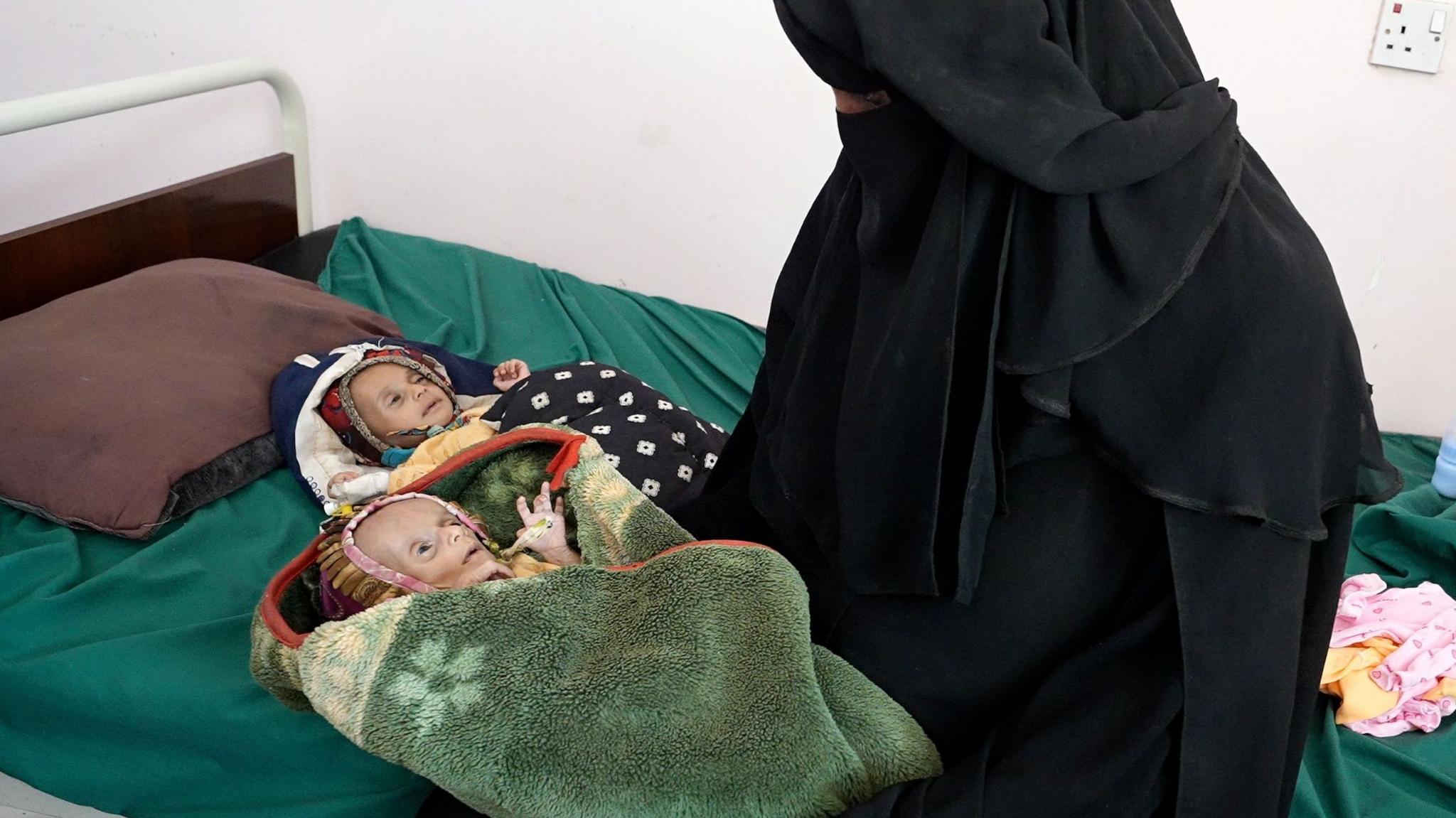
At al‑Sadaqah hospital the twins were “just skin and bone.” Raad’s ribs were visible, his chest heaving with shallow breaths. Doctor Noor Mohammed spoke of a system strained to its limits with only 13 critical beds in a 22‑bed unit because of a lack of international funding, staff and equipment.
Father Bajash Ali Sagir Hassan, a shepherd who left 10 sheep behind, watched helplessly as nurses shared a single bed for the twins, believing it a chance for survival. Despite two daily feeds, the rising cost of baby milk forced Bajash to give only water. The twins were diagnosed with severe acute malnutrition – a death sentence as deadly as a bullet without timely treatment.
The unit becomes a conveyor belt of suffering: each baby discharged is swiftly replaced by another, and many parents return when they cannot afford proper nutrition or antibiotics. Dr Mohammed laments the lack of oxygen, ventilation machines and laboratory capability, revealing a system crying out for aid.
Beyond the walls of Aden, over 250,000 people have been displaced in the last three months, and the United Nations estimates that more than half a million Yemeni children will suffer severe acute malnutrition this year. As the Houthis push toward the Red Sea coast, cutting off Taiz, civilians find themselves caught between war and hunger. Families like Bajash’s, stranded on the street at night, face a future in which war wounds may become visible scars for generations to come.