In brief
The crude oil tanker Gem No. 2 was struck by an unknown projectile in early October, beginning a leak that spread a dark slick more than 35 km along the UAE shoreline. Beaches around Umm Al Quwain were closed while authorities set up containment measures. Scientists warn of immediate and long‑term damage to marine life, especially the Key Biodiversity Area around Siniyah and Khor Al Beidah, home to coral reefs, seagrasses, turtles and the endangered Halavi guitarfish.
Oil spill washes up on UAE shores after tanker strike
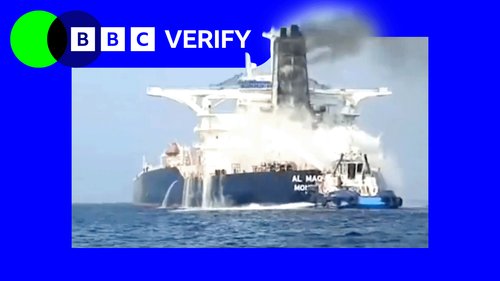
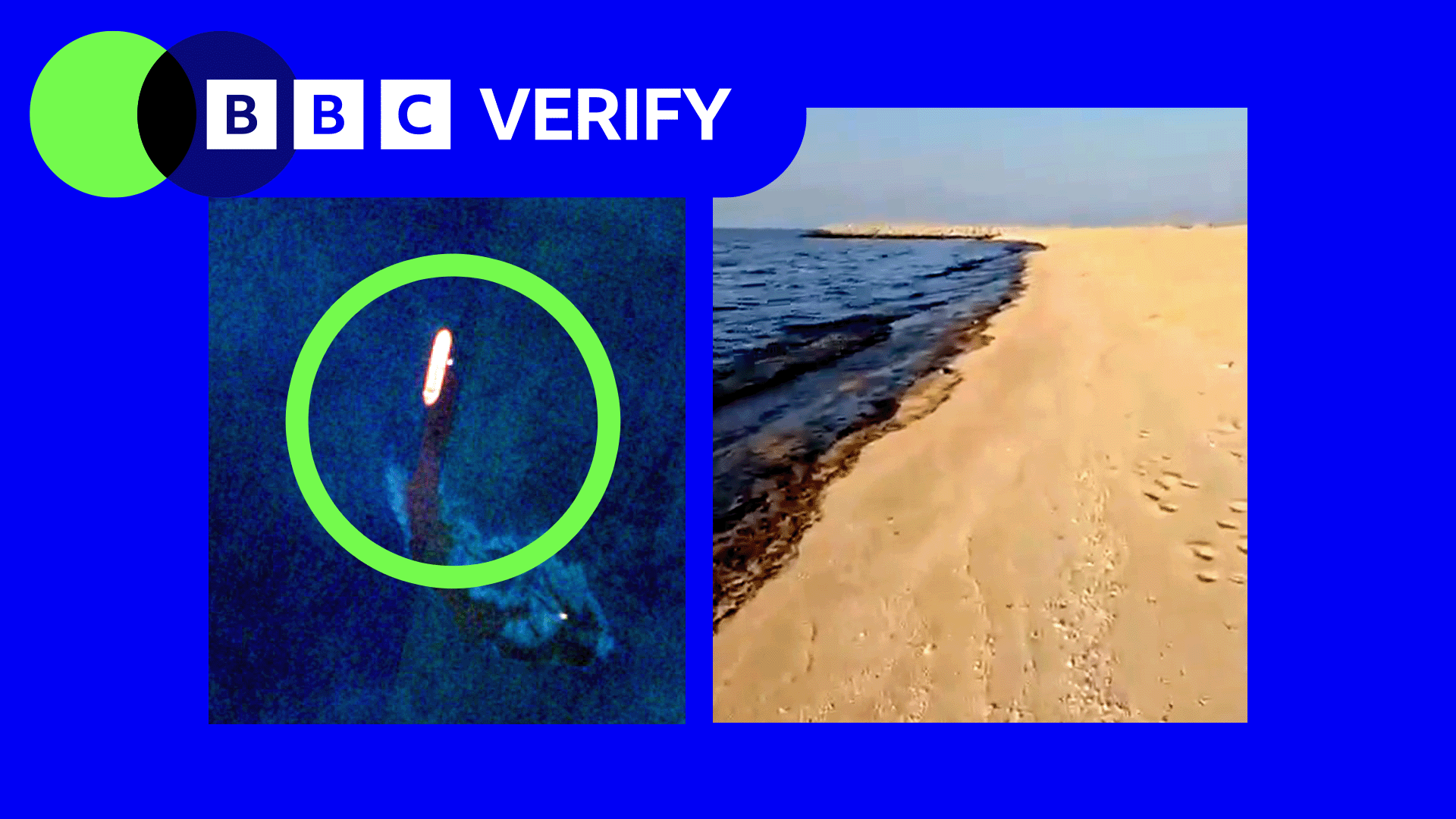
The crude‑oil tanker Gem No. 2 was hit by an unknown projectile near the Strait of Hormuz on 9 October, sparking a fire and a slow leak that has since spread a dirty slick more than 35 km (22 mi) along the United Arab Emirates coastline.
Satellite imagery taken on Monday matches the tanker’s position and shows the early stages of the spill, with a dark plume trailing behind the ship. By Wednesday the slick had stretched from the coast at Umm Al Quwain, north‑east of the UAE, out toward Siniyah and Khor Al Beidah islands.
UAE authorities closed several beaches and coastal areas in the affected zone and announced that containment measures were underway to limit the oil’s environmental impact. ‘We immediately began containment operations,’ said a spokesman for the Ministry of Climate Change and Environment.
Prof. Steve Widdicombe, director of Sharjah Marine Science Research Centre, warned that the spill could harm marine life by physically trapping turtles, smothering seabird feathers and damaging fish gills. He added that the long‑term effects depend on the oil’s toxicity, the speed of evaporation, and how quickly the cleanup proceeds.
The slick’s proximity to the Siniyah and Khor Al Beidah Key Biodiversity Area raises especially serious concerns. The islands host coral reefs, seagrass beds and saltmarshes that are vital to blue‑fin tuna, green turtles and the critically endangered Halavi guitarfish. “The spill’s reach into this protected zone is the most concerning environmental angle,” said Eoghan Darbyshire of the Conflict and Environment Observatory.
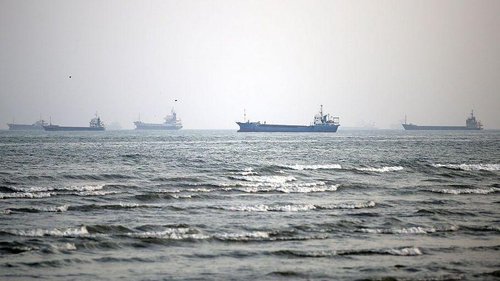
All 22 Indian crew members aboard the tanker were rescued, and no casualties were reported. The incident forms part of a broader pattern of vessel attacks in and around the Strait of Hormuz, where Iran has increased military presence in response to US naval operations that escort merchant shipping.
As the cleanup continues, residents and environmental experts will monitor the spread of the slick and its impact on marine ecosystems. In the meantime, beach-goers in Umm Al Quwain are advised to avoid contact with the contaminated surf and to heed official warnings.