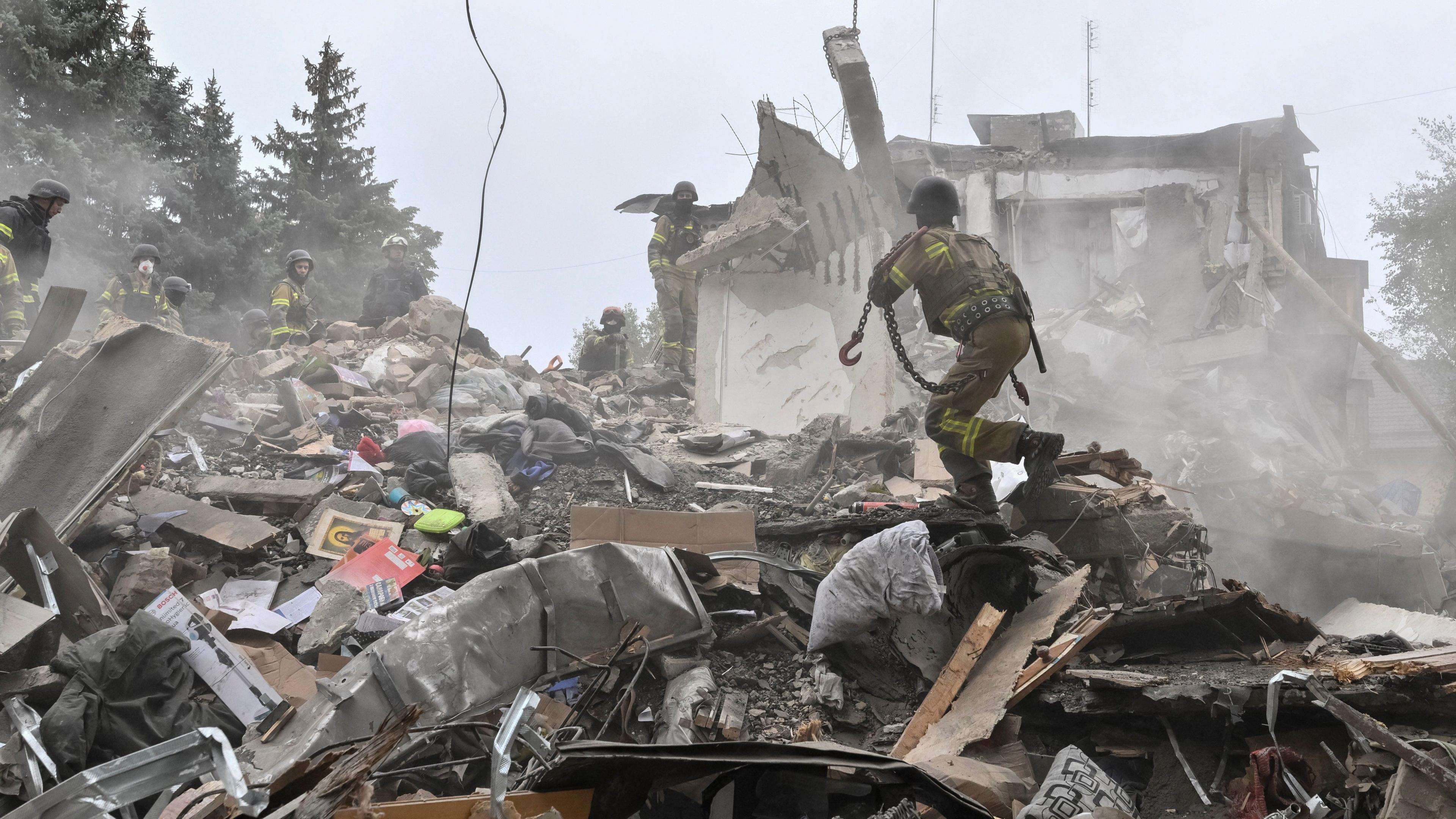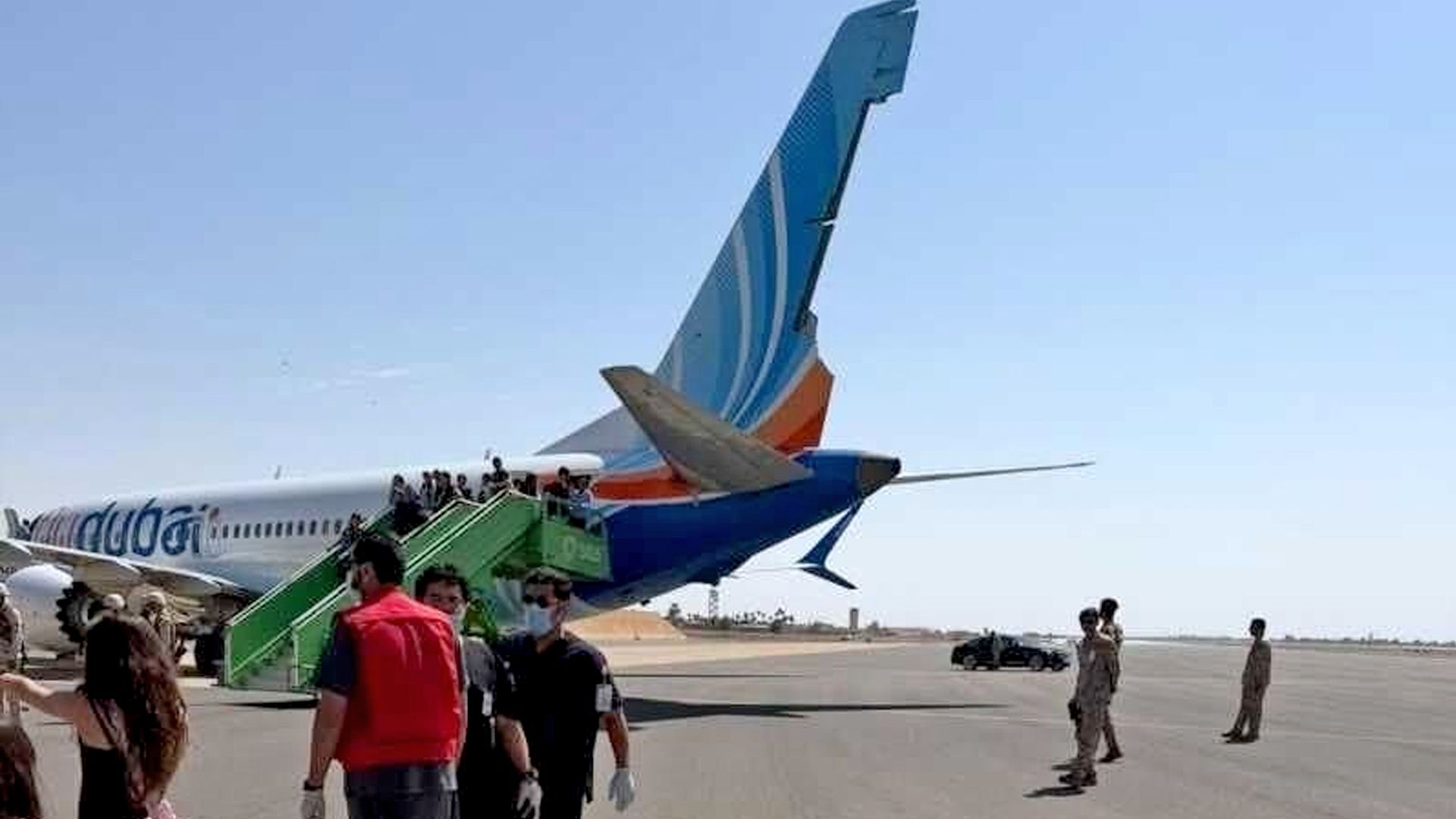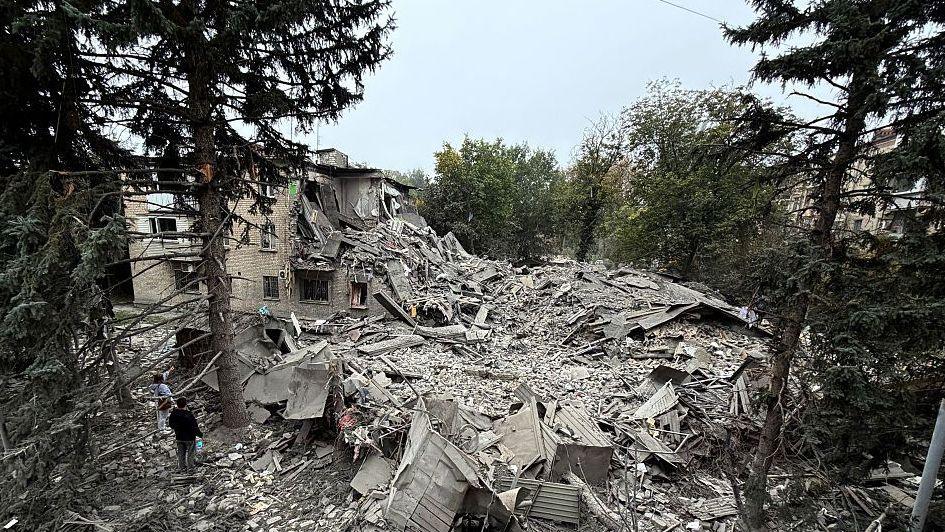
Saturday’s drone and missile blitz on King Khalid airport in Riyadh has pierced the Kingdom’s reputation as a stronghold of stability.
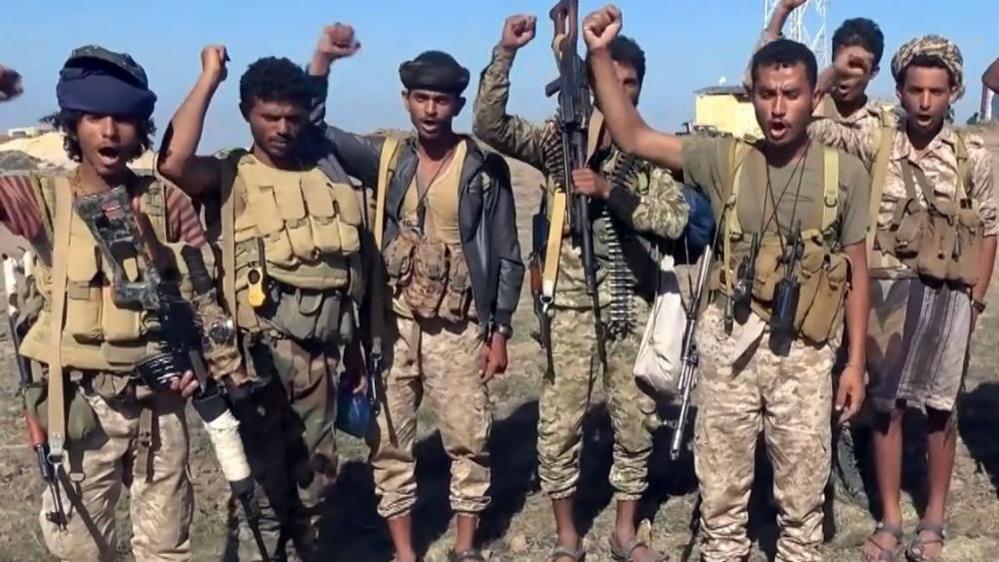
The attack, executed by Yemen’s Houthi insurgents, struck the main civilian gateway to Saudi Arabia and apparently slipped past domestic air‑defence layers with surprising ease.
While the airport’s physical infrastructure will recover rapidly, the psychological blow underscores the Houthis’ continuing strategy of hitting the kingdom’s soft underbelly – venues that are hard to secure and vital for the economy.
Beyond Riyadh, the Houthis have seized strategic pockets along the Red Sea coast, pressing into the Bab al‑Mandeb Strait – a vital maritime corridor that could force global shipping disruptions. Yemen’s own civil war, backed by Iran and opposed by a Saudi‑supported government, has already dragged the country into one of the world’s worst humanitarian crises.
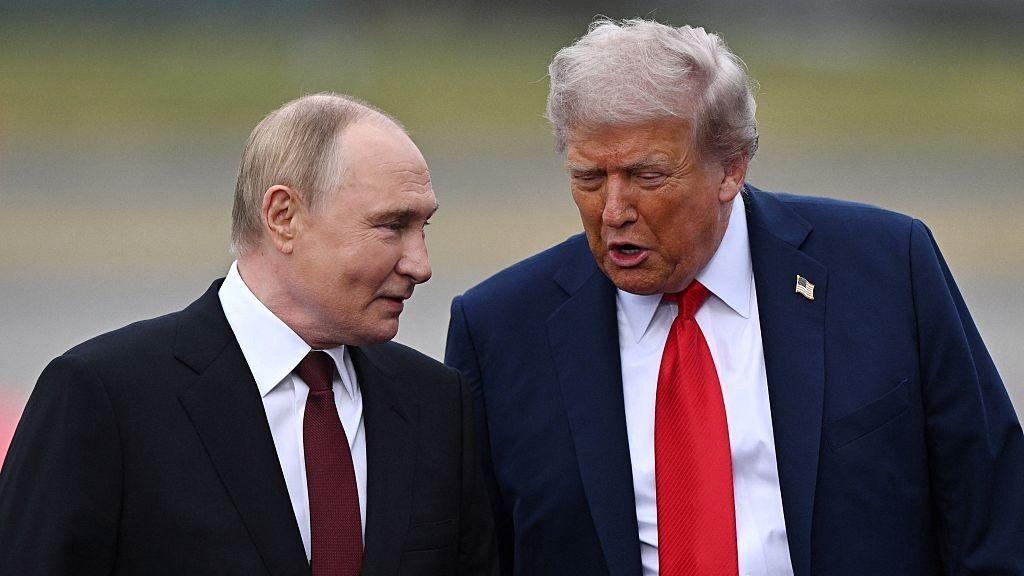
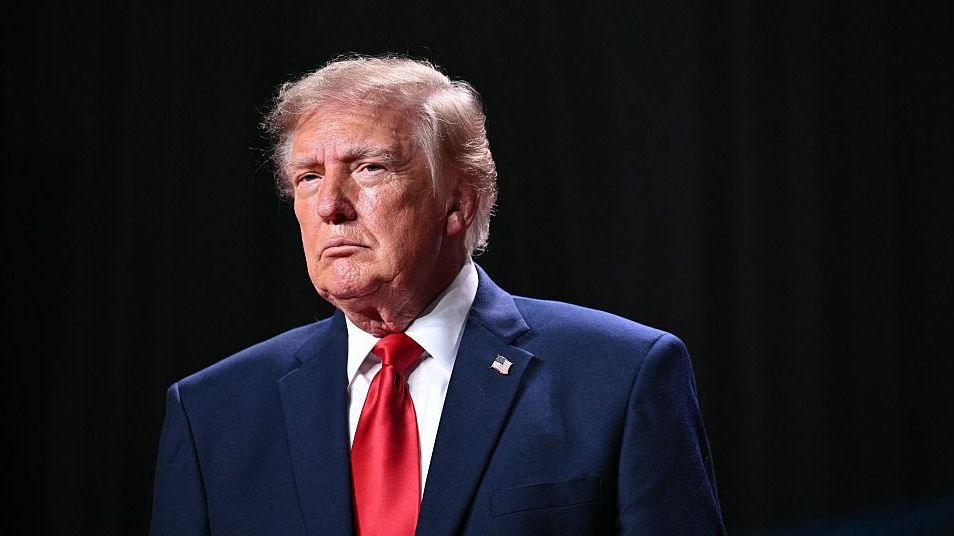
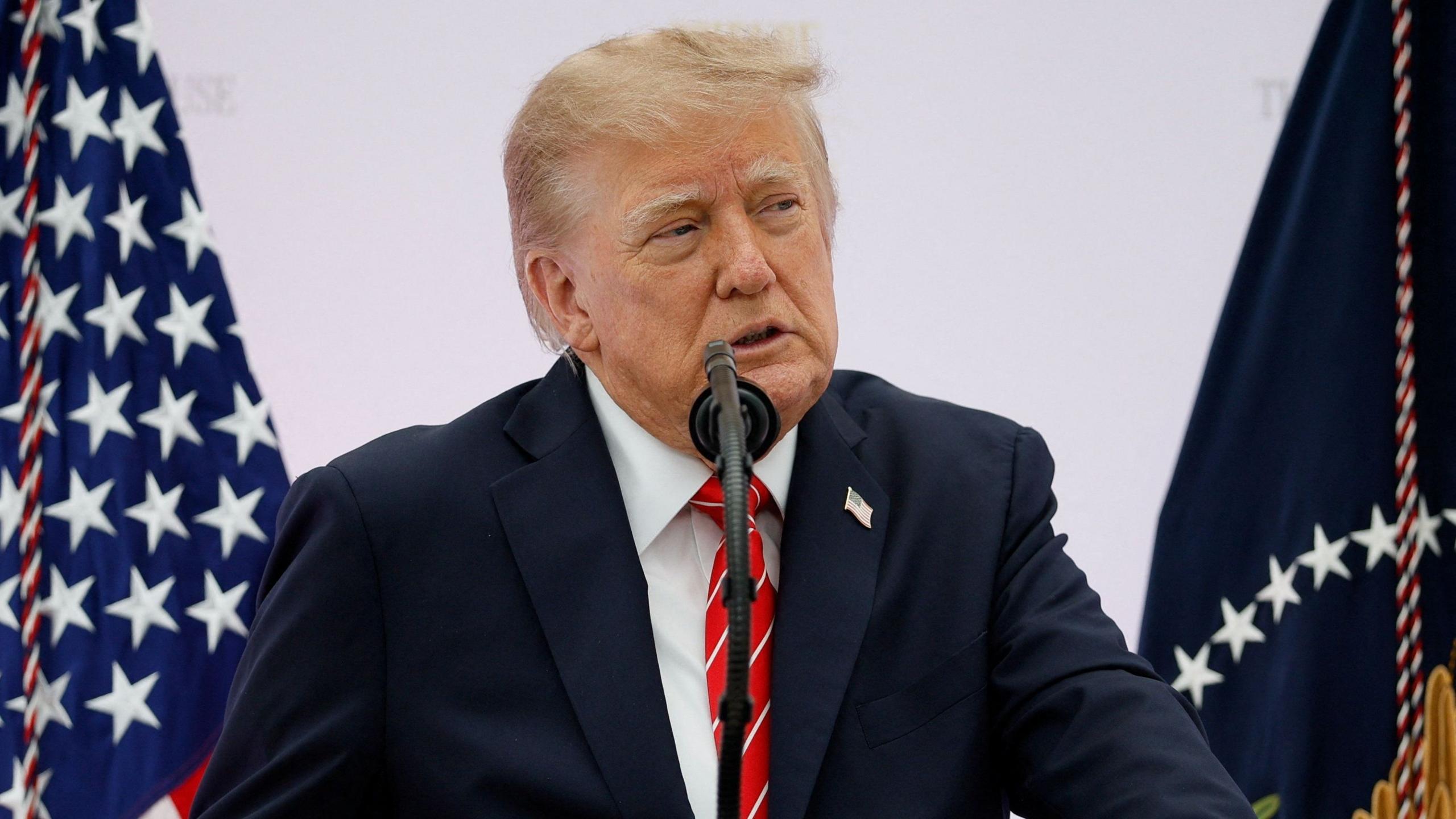
Washington has signalled it will continue supplying intelligence and advisory support to Riyadh, yet a direct US military response appears unlikely before the crucial mid‑term elections next month. President Trump has declared the latest strike “terrible” and hinted at a possible intervention, but domestic politics and the prospect of another foreign war weigh heavily on the administration’s calculus.
With Iran, Israel and US influence caught in a growing web of geopolitical tension, the latest airport raid may presage a further deterioration of security in a region already on high alert for flashpoints. The moment also warns that any future Houthi success could have ripple effects across global oil markets, maritime transport, and political stability in the Gulf.