Incident Overview
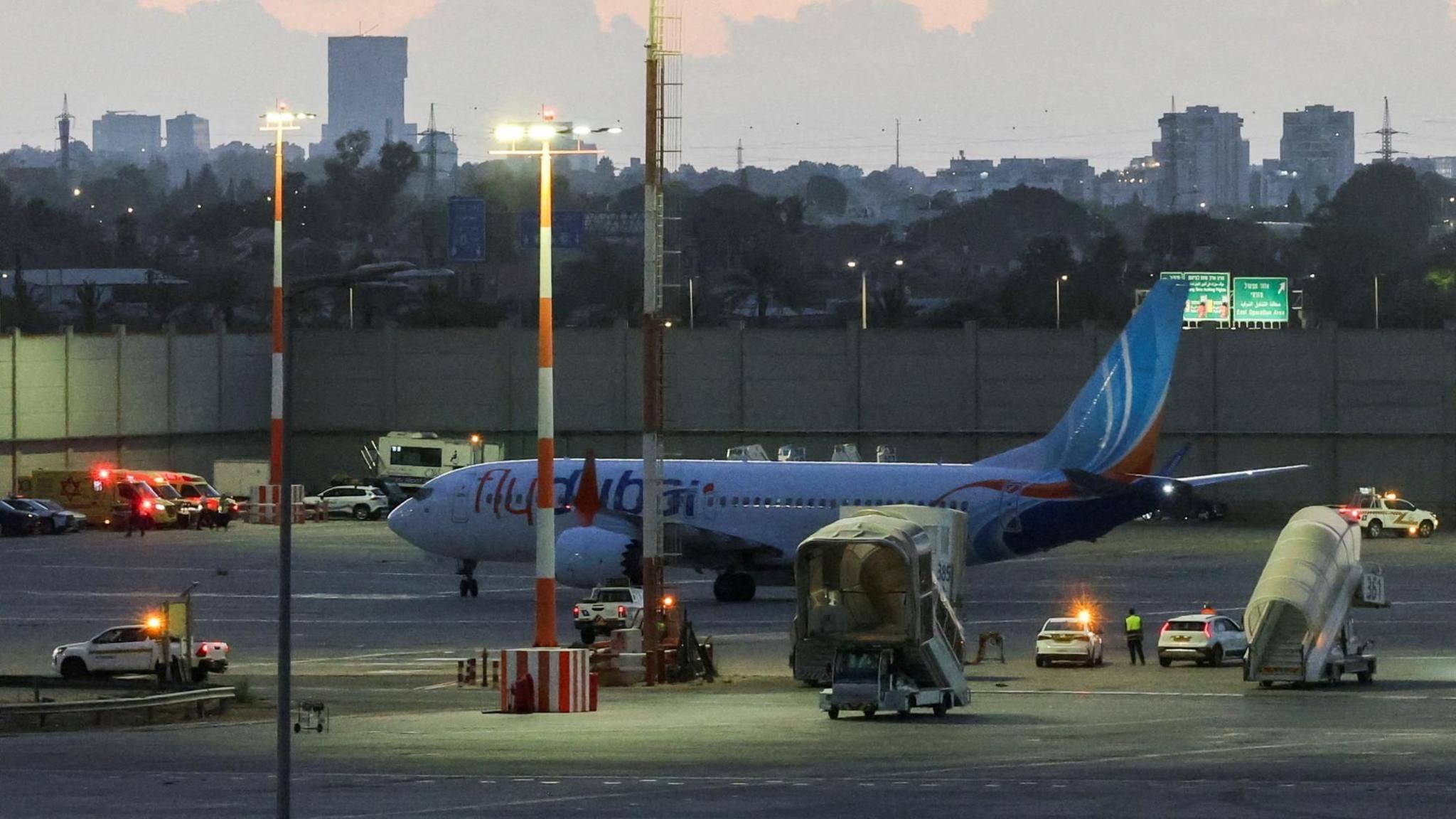
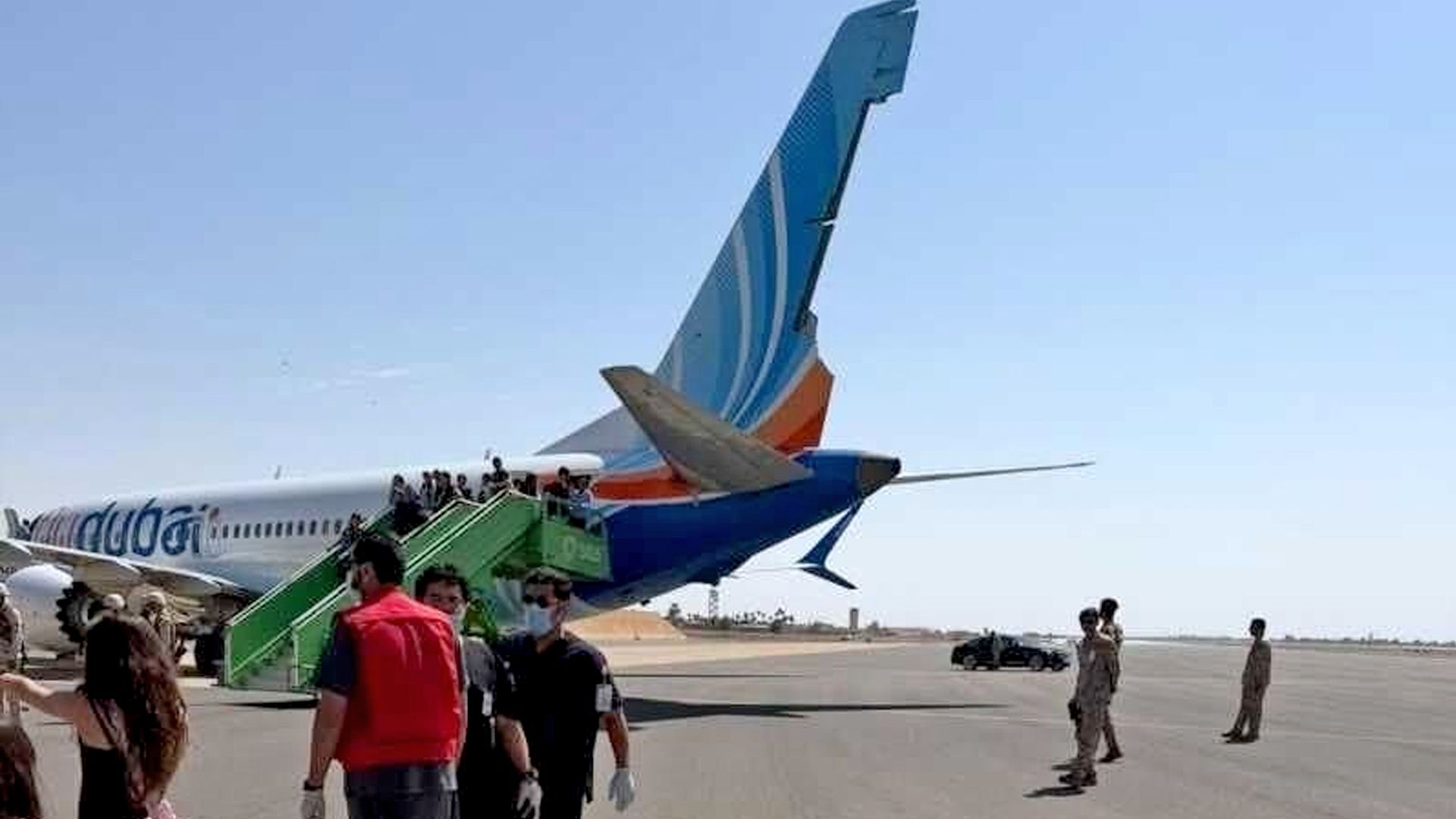
On 30 September 2026 Flight FZ1073, a Flydubai aircraft traveling from Dubai to Tel Aviv, was attacked in the cockpit by co‑pilot Hamam al‑Hammami. The attacker wounded the captain with a suicide axe, was overpowered by passengers, and the plane was diverted to Saudi Arabia for an emergency landing.

Root of Extremism
Investigators trace al‑Hammami’s radicalisation to 2017 while he studied engineering at a Melbourne university. He reportedly consumed extremist literature, followed online content praising terrorist organisations, and even trained in boxing to prepare for a planned suicide attack.
International Investigation
UAE Attorney‑General Hamad Saif al‑Shamsi announced that al‑Hammami had intended to crash the plane into Tel Aviv’s airport. Australian authorities, led by the Victorian Joint Counter Terrorism Team, are also probing his ties to Australia and his use of a student visa from 2014‑2017.
Security Gaps Highlighted
The case raises concerns about airline hiring practices. Al‑Hammami was barred from flying for Oman Air due to extremist concerns but passed standard security checks at Flydubai, which did not screen for radicalisation. Israeli aviation rules prohibit pilots from countries without formal diplomatic ties to Israel, yet the attack occurred on a flight destined for an Israeli city.
Heroic Response
Indian co‑pilot Capt Smit Machchhar is hailed as a hero for unlocking the cockpit door amid the assault, allowing passengers to regain control and prevent a potential disaster.
The incident’s after‑effects are still unfolding as airlines, governments, and security agencies review procedures to prevent similar threats in the future.