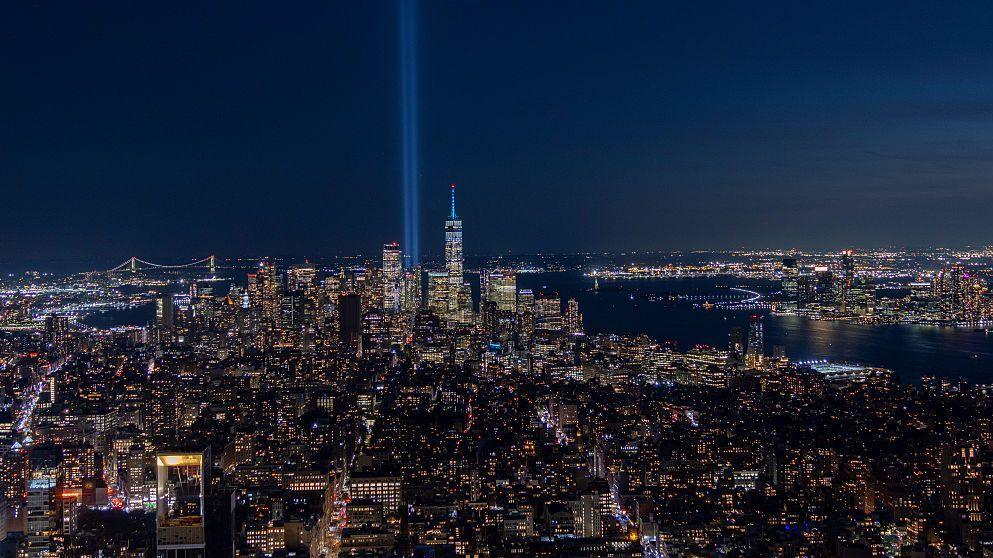
The New York Court of Appeals has taken up arguments over a lawsuit that could see Saudi Arabia—once protected by the country’s foreign sovereign immunity—face trial in U.S. courts for alleged links to the 9/11 attacks.
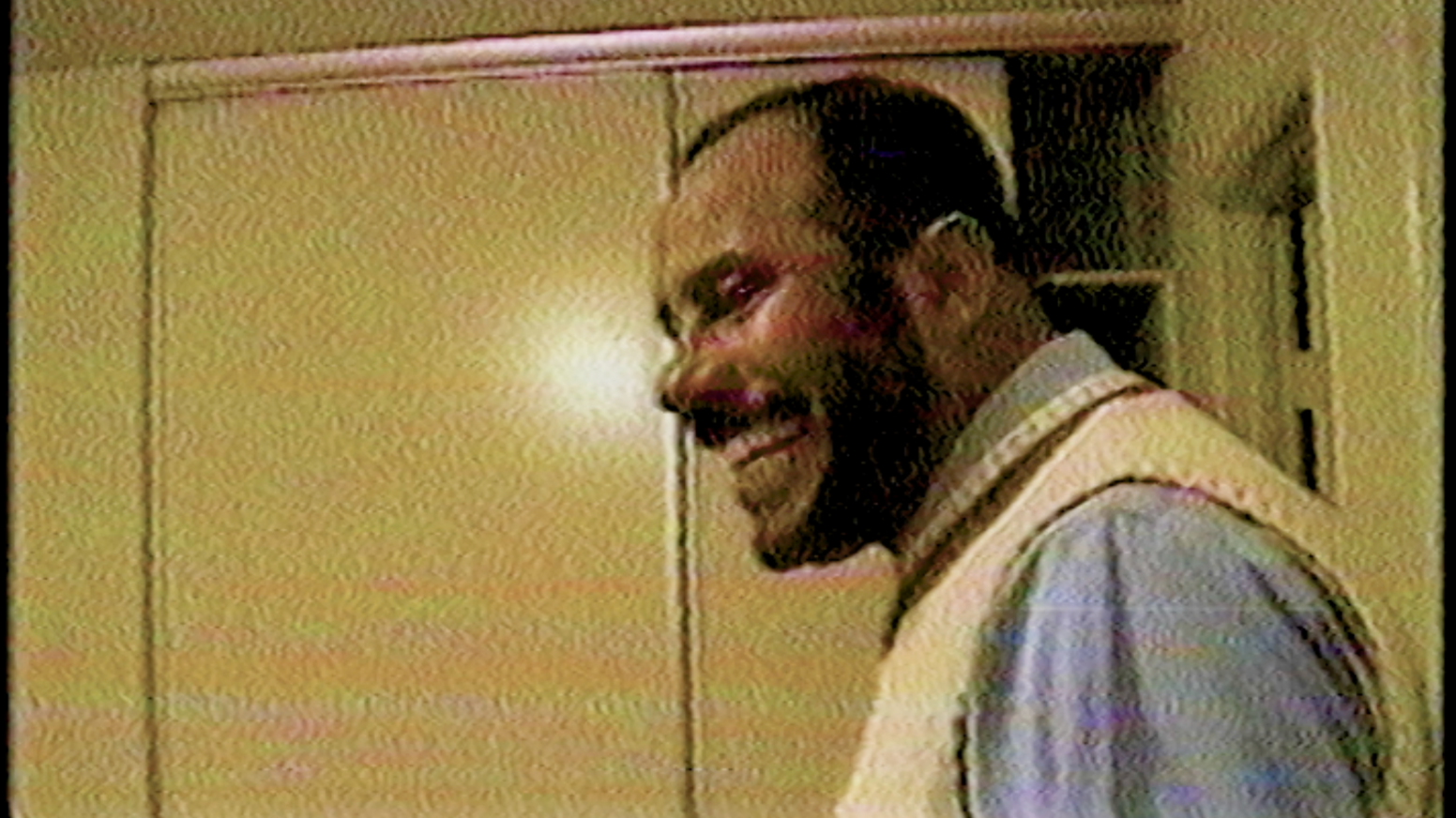
The case, brought by families of the nearly 3,000 victims of the September 11, 2001 attacks, accuses former Saudi government employee Omar al‑Bayoumi of knowingly supporting two hijackers who flew 9/11 planes toward New York’s World Trade Center and the Pentagon. Saudi officials deny any knowledge or support for the attacks, characterising the allegations as false and claiming sovereign immunity.
In August 2025, the Manhattan District Court ruled that the families had presented enough evidence under the Justice Against Sponsors of Terrorism Act (JASTA) to allow the claim to go forward. Saudi Arabia has now asked the New York Court of Appeals to reverse that decision.
During the hearing, attorney Gregory Rapawy for Saudi Arabia argued that the core facts, in particular Bayoumi’s official employment status, had not been decided and were essential before the kingdom could lose immunity. He noted that any move to trial would require concrete findings on Bayoumi’s credibility and whether he was acting on Saudi instructions.
Opposing counsel Gavin Simpson, representing the 9/11 families, countered that the district court already found Bayoumi’s actions “were not just acts of a good Samaritan or an innocent participant.” “He was, in fact, following Saudi Arabia's instructions when assisting the hijackers,” Simpson said, adding that Saudi Arabia had failed to rebut those points.
Judge William Nardini, who presided over the hearing, remarked, “It’s a difficult case, and we will take it under advisement.” The panel will issue a ruling later, still uncertain whether to send the case back for further fact‑finding or to proceed to trial.
Outside the courthouse, Terry Strada, whose husband Tom was killed in the World Trade Center, expressed hope that the court would uphold the district court’s decision and move toward trial. “25 years is an extraordinary time to go without accountability and justice for the murder of your loved one. What we hope is that the judges will uphold the District Court's decision and move to a trial,” she said.
The case reflects the continued push by 9/11 victim families to secure accountability for the attacks that shook the United States in 2001 and to extend legal remedies under JASTA to sovereign states.
Broadly, the hearing illustrates the courts’ balancing act between international diplomacy and the pursuit of justice for victims in the wake of terrorism.
For more on the 9/11 lawsuit, see the BBC News article New videos of man in 9/11 lawsuit reveal extremist links.