In a Manhattan courtroom, the New York Court of Appeals heard arguments on Wednesday from attorneys representing families of 9/11 victims and from the Saudi Arabian government. The panel is deciding whether the long‑running lawsuit can move forward to trial.
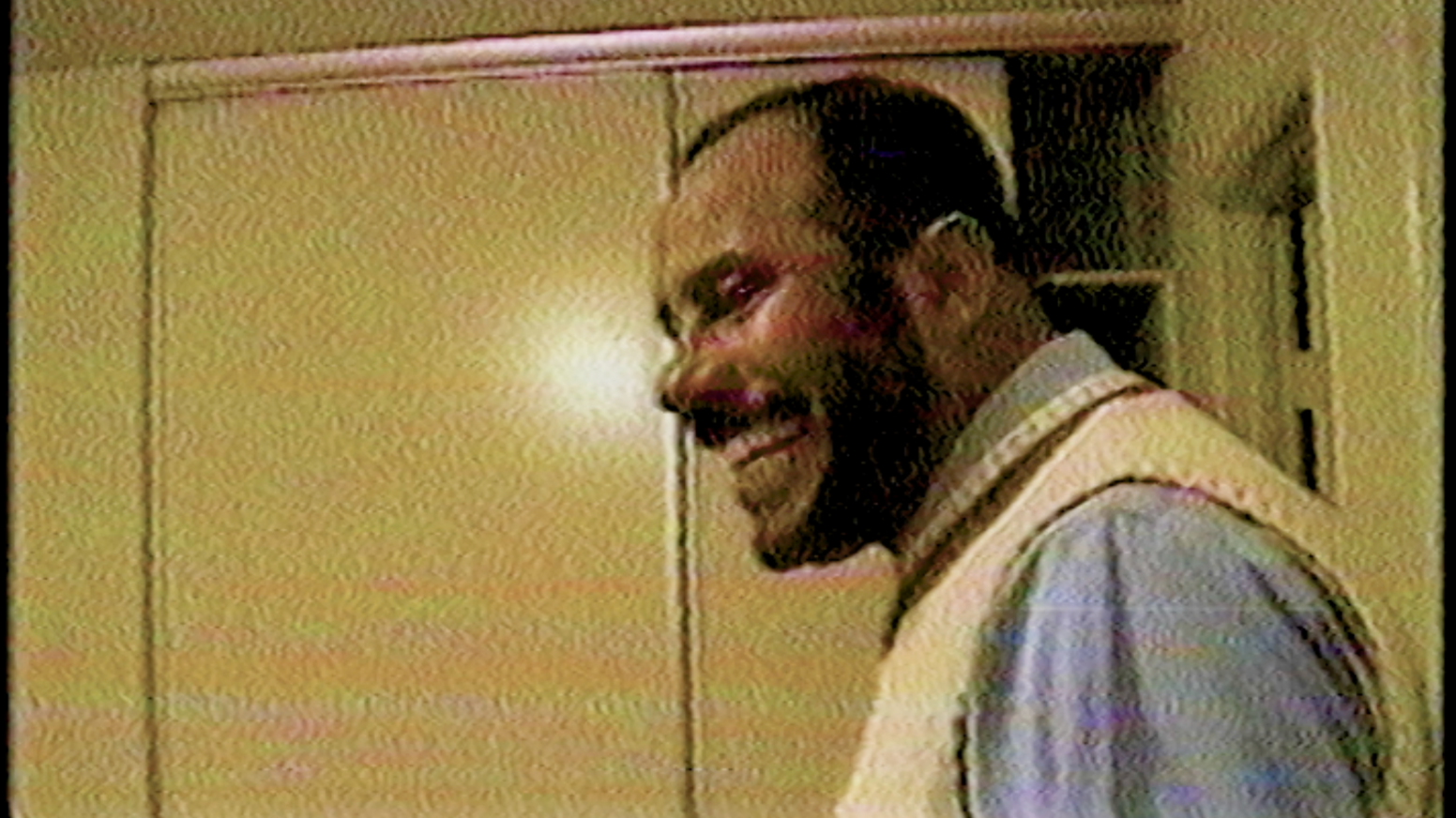
The families argue that Omar al‑Bayoumi, a former Saudi government employee, knowingly supported two of the hijackers who crashed four planes into the World Trade Center, the Pentagon and a Pennsylvania airfield.
Al‑Bayoumi, who now works as a teacher, has denied any knowledge that the men were hijackers and claims he was acting as a private citizen.
The Saudi government maintains that it is sovereign and immune from prosecution in U.S. courts, a point the court has come to hear in detail.
The lawsuit was first filed in 2002, after families lobbied Congress to amend the foreign sovereign immunity law. In 2016, the Justice Against Sponsors of Terrorism Act (JASTA) was passed, allowing civil claims against foreign states for acts of terrorism.
A Manhattan district judge originally ruled that the families had presented enough evidence to allow the case to proceed under JASTA. Saudi Arabia has asked the Court of Appeals to reverse that decision.
During the hearing, counsel Gregory Rapawy said key facts – especially whether Bayoumi was employed by the Saudi state – had not been decided and needed to be settled before immunity could be stripped. In contrast, families’ lawyer Gavin Simpson argued that the district court had already found Bayoumi’s acts were not those of a “good Samaritan.”
Simpson contended that Bayoumi was following Saudi instructions when assisting the hijackers, an allegation Saudi officials failed to rebut.
Judges debated whether the case should be sent back to the district court to gather more concrete findings, possibly involving testimony from live witnesses including Bayoumi himself.
Judge William Nardini cited the difficulty of the case and said the panel would take the issue under advisement before issuing a ruling.
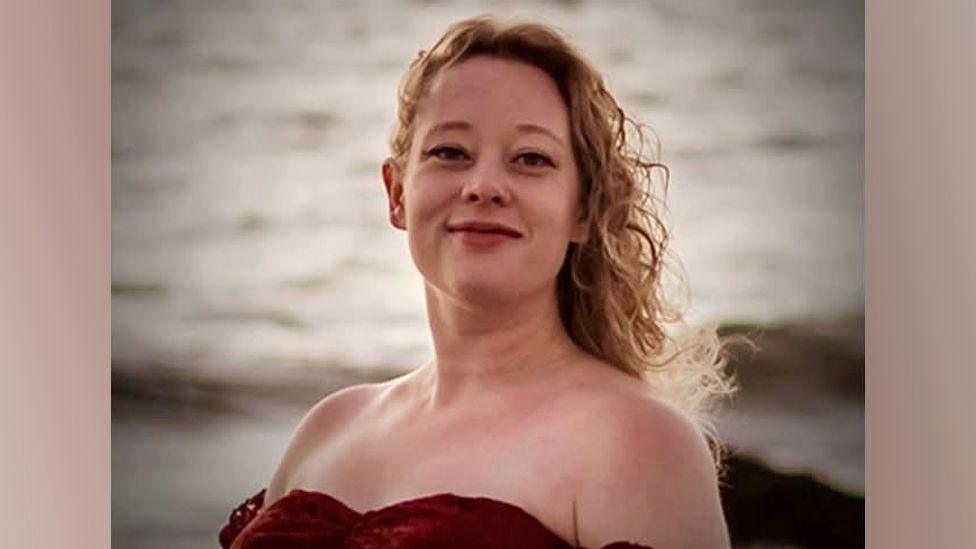
Outside the courthouse, Terry Strada, whose husband Tom was killed in the World Trade Center, expressed optimism that the appellate panel would uphold the district judge’s decision and move the case toward trial.
Strada said, “25 years is an extraordinary time to go without accountability and justice for the murder of your loved one.”
The outcome will have a significant impact on whether families can seek civil damages from Saudi Arabia and whether the principle of foreign sovereign immunity is upheld in terrorism-related civil litigation.