In brief
Denmark’s government has decided to end the country's mink farming industry, effective 7 August 2029, and discarded earlier attempts to secure a legal exemption to the EU's ban on the practice. The move follows a major cull of 15 million mink during the pandemic and a decline in demand for fur garments. Former nature minister Christian Rabjerg Madsen said the decision prioritises welfare and aligns with societal, economic and environmental values. While the transition will last two years, the final costs for closing the remaining farms still need to be determined. The ban marks the end of Denmark’s once-dominant role in the global fur market, a sector that has faced growing opposition and regulatory pressure in recent years.
Denmark is set to end mink farming by 7 August 2029, after the government abandoned a bid to obtain an exemption to the EU-wide ban on the practice.
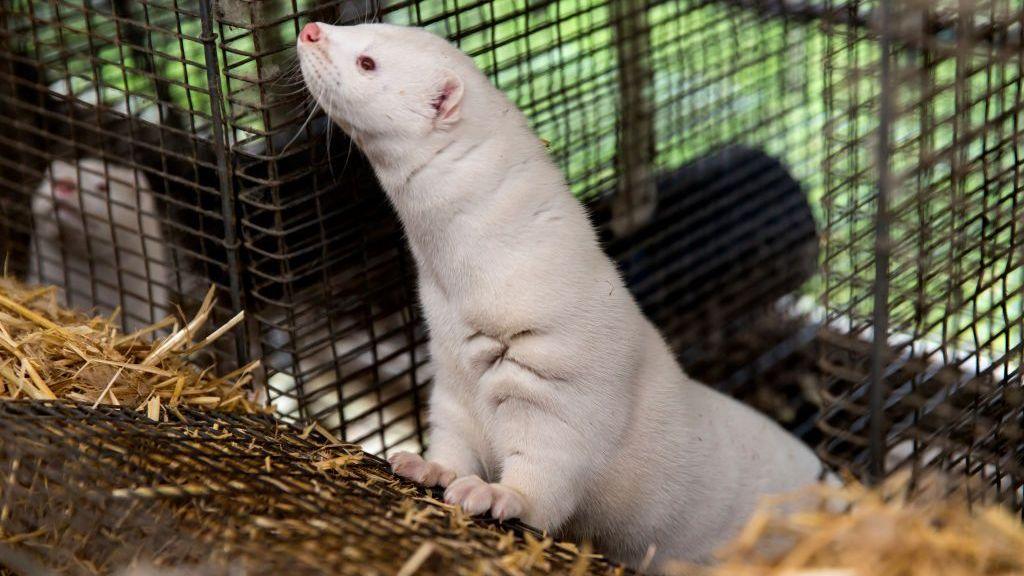
The country was once the biggest producer of mink fur, but the industry has been shrinking due to global fur bans, reduced demand and a COVID-19 mutation that forced the mass cull of 15 million animals.
Christian Rabjerg Madsen, Denmark’s nature minister, said animal welfare was the driving force behind the decision: "A business should not continue just because it has existed for a long time. It should also make sense for society, for the economy and for the animals."
Previously the government sought an exemption when the EU flagged the species as invasive in 2025, but the coalition elected in June voted against applying for a special scheme.
Social Democrat MP Brigitte Vind called the change "a good day for animal welfare" and praised Denmark for refusing to pursue a legal loophole to continue mink breeding.
While the ban is immediate, a two‑year transition will aim to phase out the practice, though the final cost of shutting the remaining seven farms remains to be settled.
Only about 15,000 mink remain in Denmark, a negligible share of the former 100 million population. The industry’s decline has intensified as Poland and China now dominate fur production.
The controversy has deepened since the government admitted it had no legal basis for the 2020 cull, a decision that sparked criticism and led to the current government’s shift toward welfare-oriented policy.
Fur remains a polarised topic, with many fashion houses opting away from real fur. Arboreal shifts have seen a sudden revival of fur in fashion trends, even as many designers now favour faux or vintage styles.
For more on the 2020 mass cull, see Denmark shaken by cull of millions of mink.