In brief
Central Park’s iconic horse‑drawn carriage rides face a 2028 ban as city leaders cite safety and animal‑health concerns. Drivers, who earn up to $70,000 a year, argue that the decision threatens both their livelihoods and their horses. The mayor pledged a transition plan, but unions fear it offers no guarantees. Animal‑rights activists say the ban is necessary to protect passengers and the often‑stressed horses.
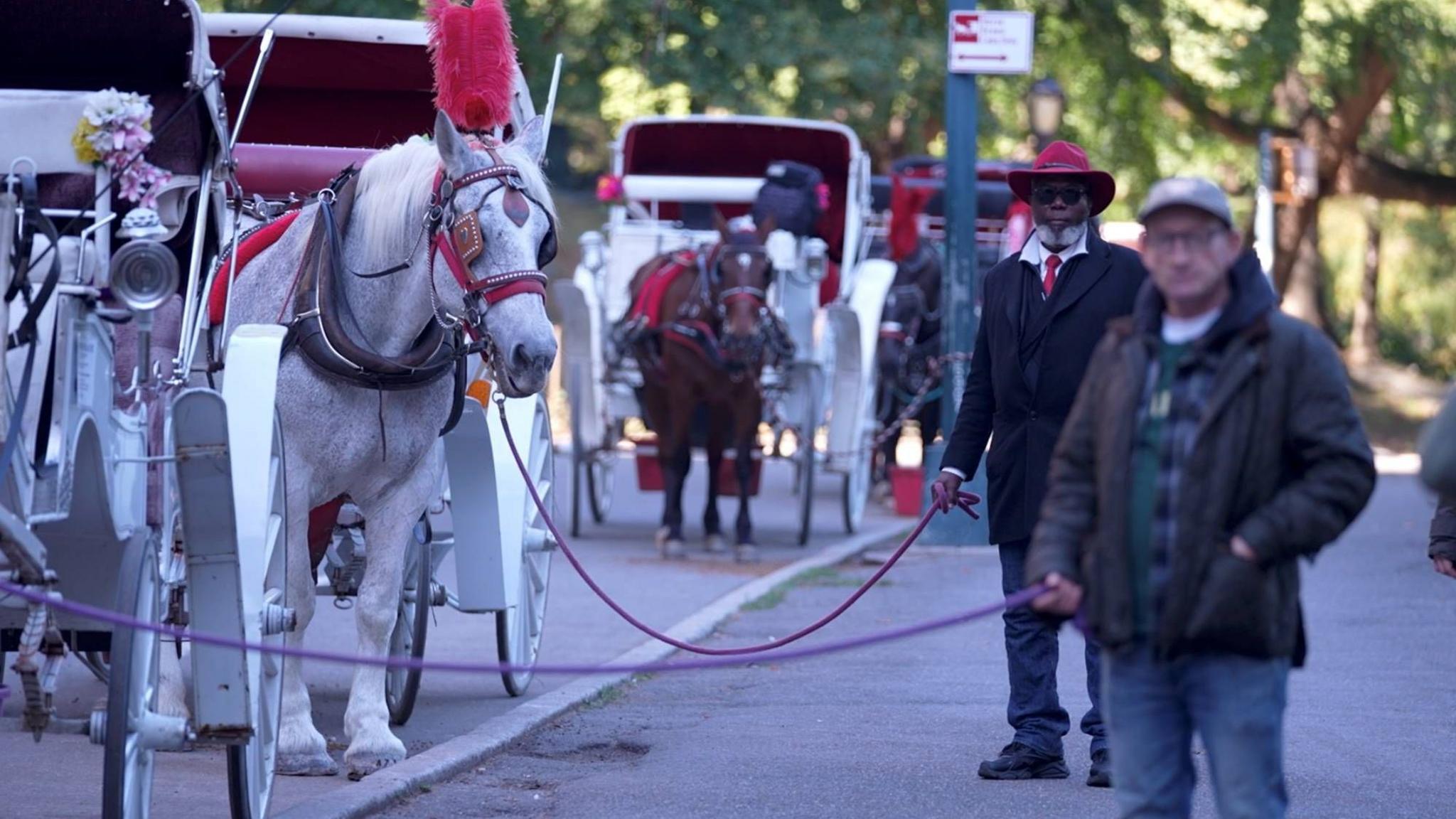
The city has voted to outlaw the iconic carriage rides that have been a fixture of Central Park for 160 years. A new bill would take effect in June 2028, following a campaign led by animal‑rights activists that has highlighted safety and animal‑health concerns.
Alexus Lawson, a 28‑year‑old driver who has spent six years pulling her own horse through Manhattan’s iconic park, says the decision threatens both her living and the horses’ welfare.
"What am I supposed to do with my horse?" Lawson asked. "You’re telling me I can’t work with her anymore? How will I ensure she’s healthy?"
Lawson is one of around 200 drivers who operate the carriages. They previously earned between $60,000 and $70,000 a year, a figure that represents more than a lot of businesses in the city.
Mayor Zohran Mamdani has pledged a transition plan for the labour force, but union representatives caution that the package offers no guarantees of payment or job security.
Horses Are Working Animals
Some drivers argue the cars are no accident; they maintain that their horses are well‑cared for and enjoy working. Fifty‑five per cent of the animals have received veterinary checks, food, and rest periods in line with municipal regulations.
"They look at an animal in harness and see a trap," Lawson said. "I believe horses are working animals, not cages."
Confining for the Horses
Opponents have pointed to the increased incidents recorded in the park, citing a death of a teenage tourist after the horse bolted last summer. They argue that the closure is the only way to protect both humans and the horses.
Animal‑rights groups note that Central Park horses can work up to nine hours a day, often in traffic and with limited space. Many say this routine is stressful and raises the risk of accidents.
Some tourists feel mixed; one German visitor recalled that the tradition is part of New Yorkers’ identity, while another warned that the park "would be magnificent without the carriages."