In brief
Prime Minister Sébastien Lecornu said that targeted curfews in Paris, Marseille, Bordeaux, Nice, Lyon, Lille and other towns helped bring silence after a week of violent unrest. French police enforced the restrictions, and regional authorities will decide on additional curfews as needed. Interior Minister Laurent Nuñez, who faced criticism for police handling of the disorder, was offered resignation but retained by President Macron after the incident. More than 2,500 people have been arrested and around 1,000 police officers were injured, with reports of a protester losing a hand when a crowd‑control grenade was fired. The upheaval began last month over education demands but has widened to include trade unions and other protest groups. The curfews have eased tensions overnight, but officials warn that further measures could be implemented depending on local conditions, as the country continues to grapple with widespread civil unrest.
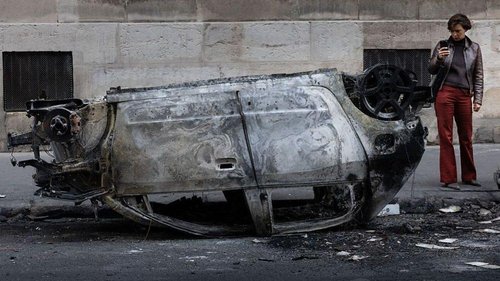
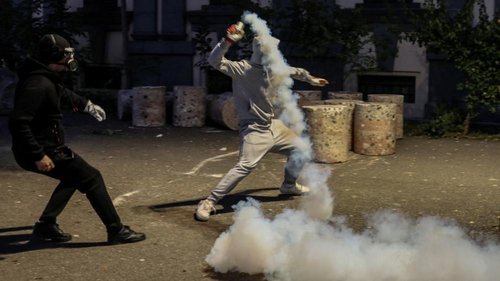
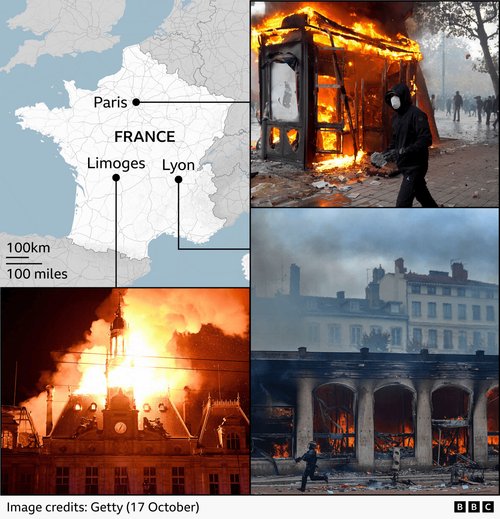
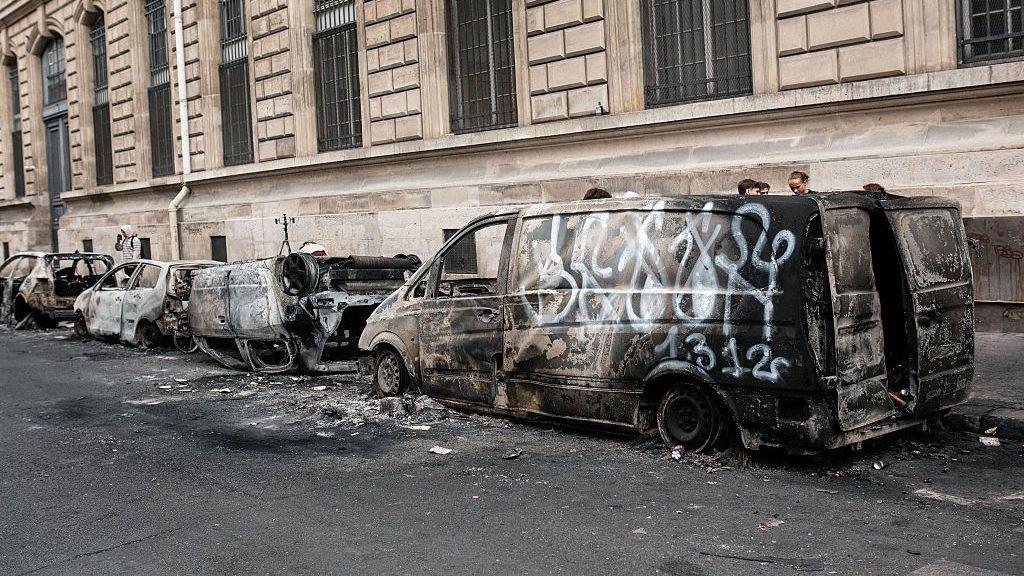
After a tumultuous weekend of riots and looting across France, Prime Minister Sébastien Lecornu announced that targeted curfews had restored a quiet night in major cities. The restrictions were lifted in central Paris – notably the Place de la République and the Les Halles shopping area – and extended to Marseille, Bordeaux, Nice, Lyon, Lille and other towns in the north and south.
Lecornu praised police officers and gendarmes for enforcing the measures and noted that further curfews on Tuesday night would be decided “on the ground” by local mayors and regional authorities. He stressed that the government would act according to the needs of each area.
Interior Minister Laurent Nuñez, who had previously admitted that police had “lost control” in some cities, faced mounting criticism from opposition politicians. He offered his resignation, but President Emmanuel Macron rejected it, keeping Nuñez at the helm as the crisis unfolds.
Official figures record more than 2,500 arrests since the unrest began and about 1,000 police injuries. A disturbing incident reported that a demonstrator’s hand was blown off by a crowd‑control grenade. The protests, initially sparked by student calls for better school conditions, have since broadened to include union demands and other activist groups.
The curfew measures have subdued night‑time violence, but officials warn that additional restrictions may be lifted if the situation deteriorates. As France navigates this volatile period, the government remains focused on restoring order while addressing the underlying grievances that fueled the recent upheaval.