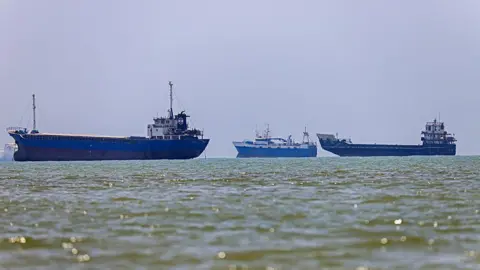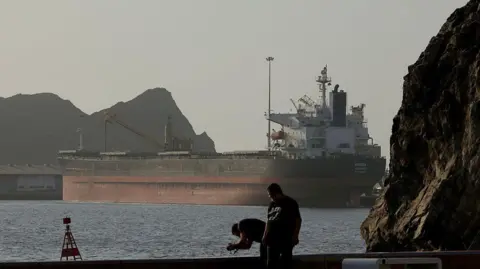
Philippine President Ferdinand Marcos has announced efforts to secure new oil sources after declaring a national energy emergency in light of the ongoing war in Iran. In a televised address, Marcos stated that the government will procure one million barrels of oil to bolster the current supply, which is sufficient for roughly 45 days. He emphasized that the country would see not just sporadic deliveries of fuel, but a sustained 'flow of oil-related products.'
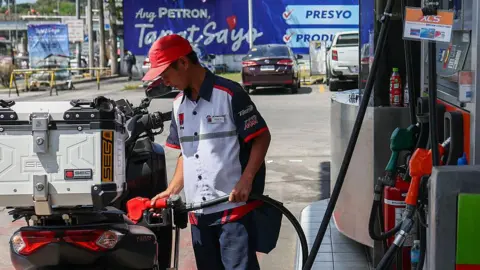
This declaration follows significant increases in diesel and petrol prices, which have more than doubled since the conflict began on February 28. The Philippines, dependent on oil imports for 98% of its energy needs, became the first country to declare an energy emergency, reflecting the rising challenges in global energy markets caused by turmoil in the Middle East.
Marcos indicated that the declaration gives the government the authority to implement measures aimed at ensuring energy stability and bolstering the economy. 'Nothing is off the table,' he asserted, as the administration looks for all possible solutions amidst the crisis.
In collaboration with Washington, the Philippines is working to secure exemptions that would allow oil imports from US-sanctioned countries. Meanwhile, a committee has been established to manage the distribution of fuel and critical resources, allowing the government to directly purchase petroleum to maintain supply levels.
Despite these government efforts, labor groups such as Kilusang Mayo Uno (KMU) criticized the emergency declaration, claiming it highlights the administration's failure to effectively respond to the oil crisis. They argue that previous assertions of normalcy were misleading and expressed concerns that the measures could curtail workers' rights to protest during this challenging time.
Amidst the rising costs, transport unions are planning strike actions to voice their frustrations over fuel prices and demand broader reforms, including fare increases and state control of the oil market.
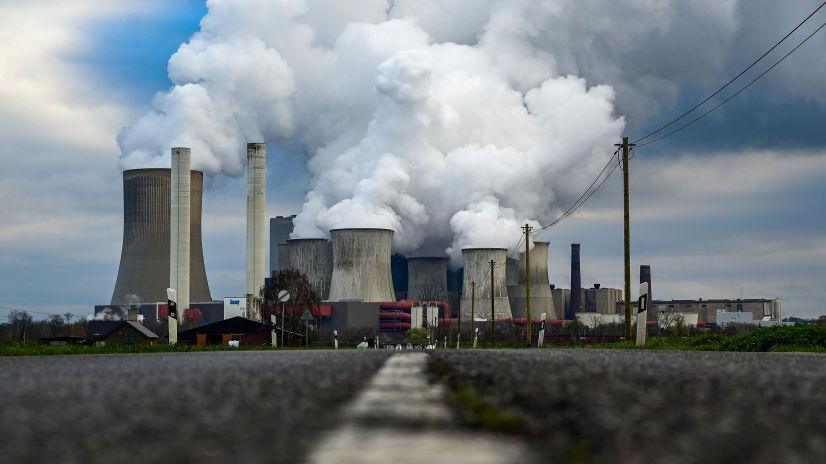
Energy Secretary Sharon Garin also mentioned that the country has approximately 45 days of fuel supply left, prompting temporary reliance on coal-fired power plants to meet energy requirements following rising costs of liquefied natural gas. As the Philippines responds to this pressing crisis, the situation remains fluid and actions taken by the government will be closely monitored in the weeks to come.
This declaration follows significant increases in diesel and petrol prices, which have more than doubled since the conflict began on February 28. The Philippines, dependent on oil imports for 98% of its energy needs, became the first country to declare an energy emergency, reflecting the rising challenges in global energy markets caused by turmoil in the Middle East.
Marcos indicated that the declaration gives the government the authority to implement measures aimed at ensuring energy stability and bolstering the economy. 'Nothing is off the table,' he asserted, as the administration looks for all possible solutions amidst the crisis.
In collaboration with Washington, the Philippines is working to secure exemptions that would allow oil imports from US-sanctioned countries. Meanwhile, a committee has been established to manage the distribution of fuel and critical resources, allowing the government to directly purchase petroleum to maintain supply levels.
Despite these government efforts, labor groups such as Kilusang Mayo Uno (KMU) criticized the emergency declaration, claiming it highlights the administration's failure to effectively respond to the oil crisis. They argue that previous assertions of normalcy were misleading and expressed concerns that the measures could curtail workers' rights to protest during this challenging time.
Amidst the rising costs, transport unions are planning strike actions to voice their frustrations over fuel prices and demand broader reforms, including fare increases and state control of the oil market.
Energy Secretary Sharon Garin also mentioned that the country has approximately 45 days of fuel supply left, prompting temporary reliance on coal-fired power plants to meet energy requirements following rising costs of liquefied natural gas. As the Philippines responds to this pressing crisis, the situation remains fluid and actions taken by the government will be closely monitored in the weeks to come.