Oil Tankers Face Heightened Risks in Middle East Amid Ongoing Strikes
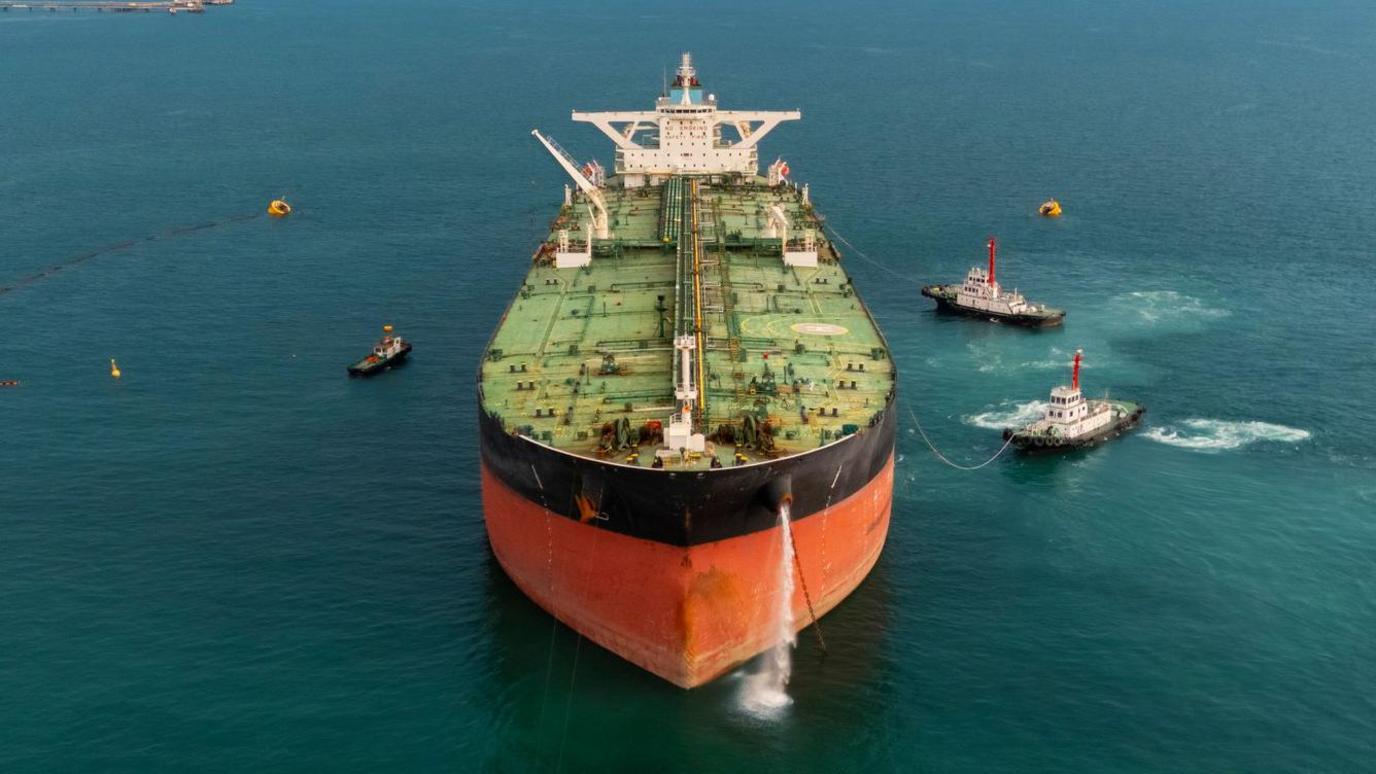
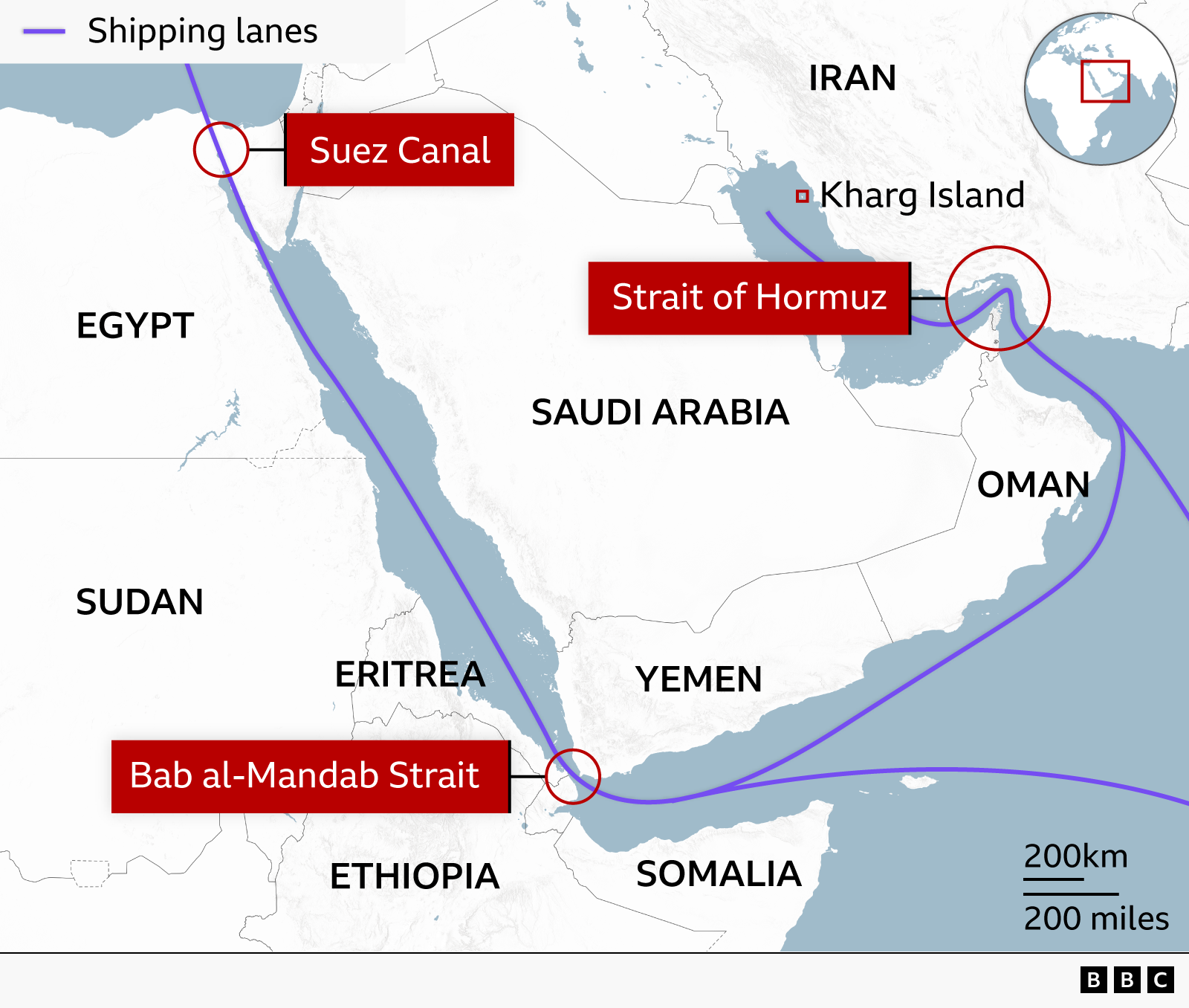
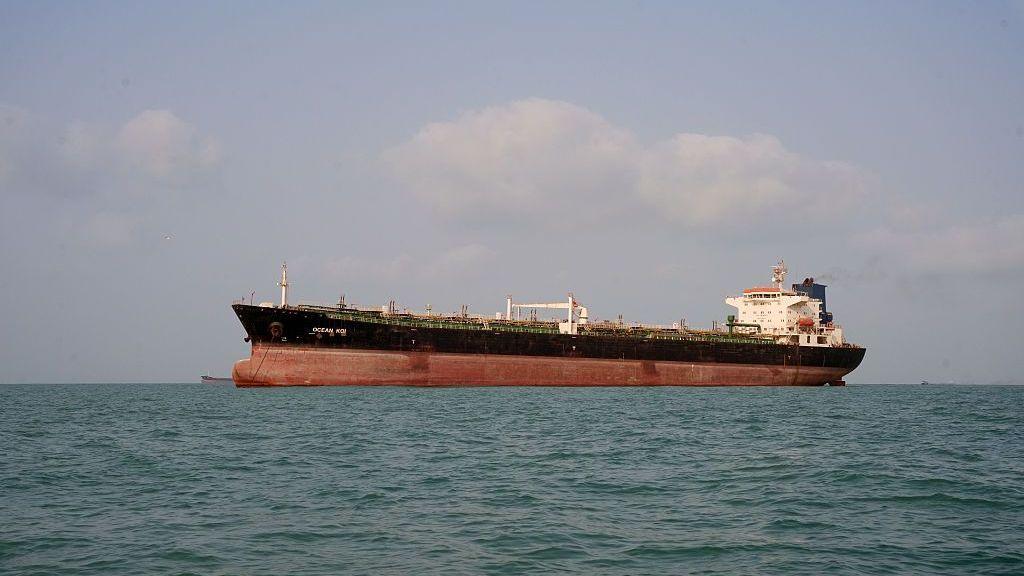
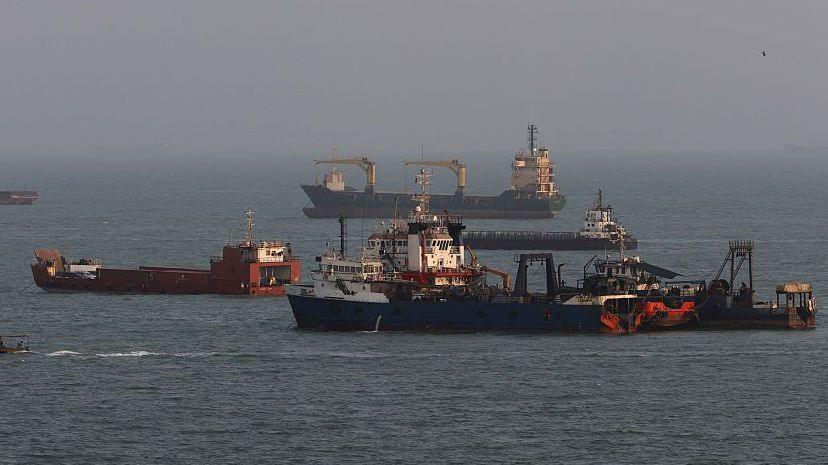
The threat to vessels carrying oil through the Middle East reaches its worst level since the onset of the Iran crisis, according to leading shipping analysts. A sequence of attacks on Saudi tankers in the Red Sea has amplified concerns for maritime security not only in the Strait of Hormuz but also in neighbouring routes.
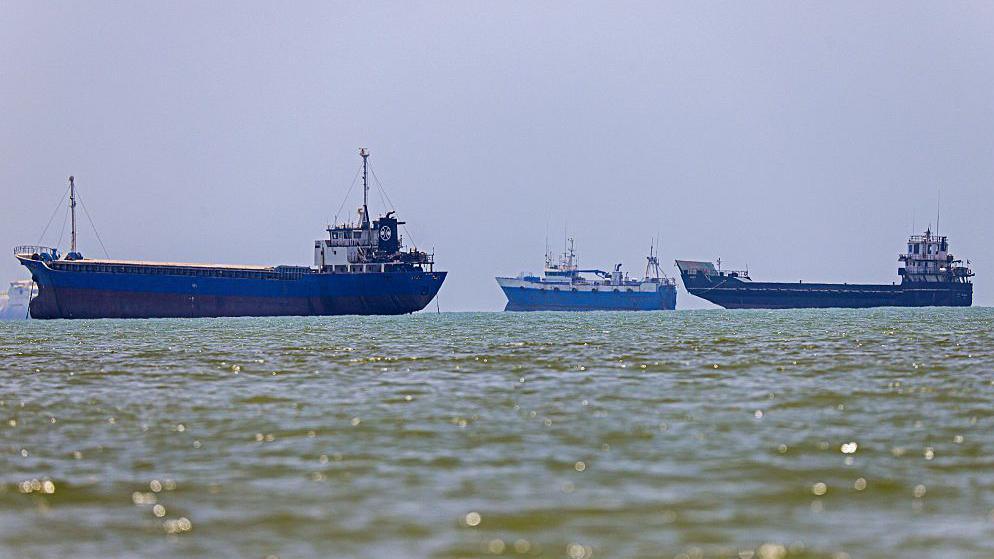
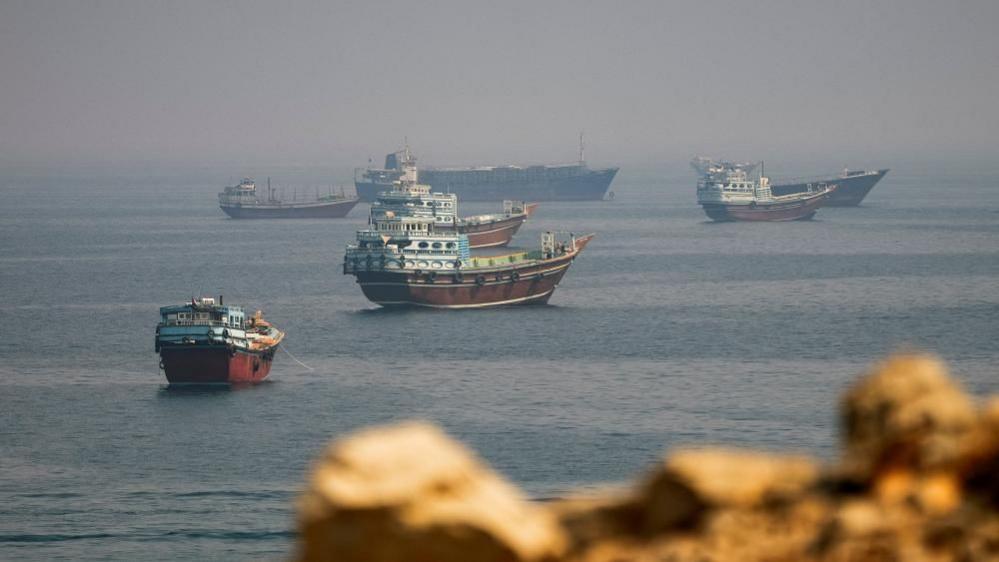
For months, the Strait of Hormuz has been a strategic chokepoint, handling roughly 20% of world oil and gas supplies. With only eight vessels passing on Sunday and 11 on Saturday, compared with over 100 before the crisis began, traffic has plummeted to its most critical point. Many ships have also been turning off their transponders, effectively “going dark” to avoid satellite detection.
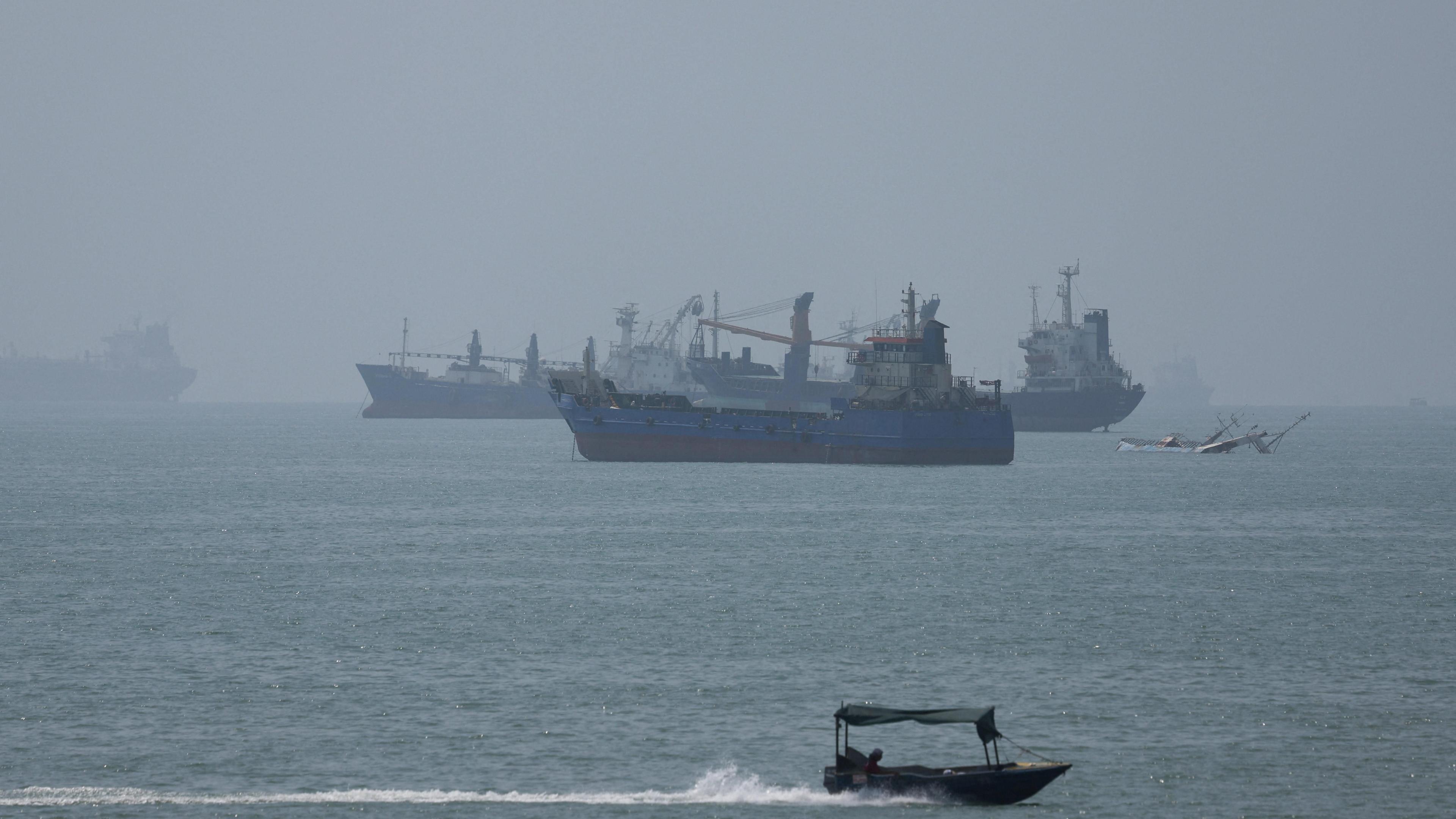
In response to the persistent threat, Saudi Arabia’s shipping channel has been subjected to a blockade by the Yemen-backed Houthi militia. They have attacked vessels that operate in the Red Sea and the Bab al-Mandeb strait. The attacks have reduced trading vessels flowing through the Bab al-Mandeb to 28 ships on one day, with six of those disabling their transponders.
The situation has forced many ship owners to adjust their routes. Approximately 50% of pre-attack traffic is now crippled, and the number of vessels loading crude for Asia has dropped to about four per day, down to the lowest level since the war began. Hapag‑Lloyd, the shipping giant, stated it would closely monitor the situation and adjust its network as circumstances evolve, citing potential delays of three to four months for the restoration of normal commercial flow, even if the strait were reopened.
While talks with Oman have been announced, Iran schools no imminent deal that would lift restrictions. The foreign ministry spokesman stressed that any agreement would not lift present restrictions unless U.S. aggression ceased. Analysis from Kpler indicates that any deal must involve the U.S. to avoid a false start. Nevertheless, Brent crude fell sharply after the U.S. announced preparations to cancel planned strikes on Iran, with production falling to $84.05 a barrel from an earlier $81.55.
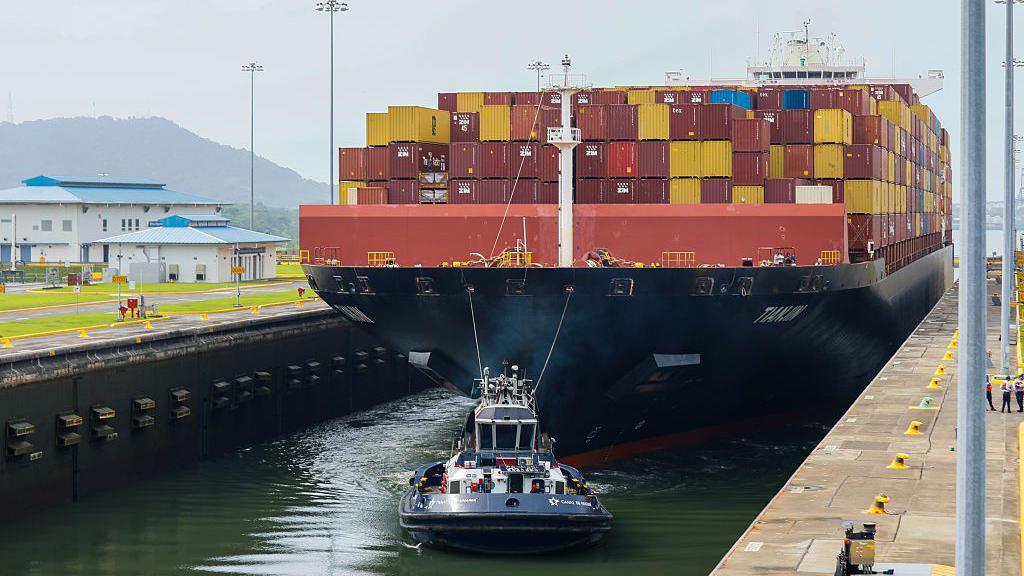
Peter Sand, chief analyst at Xeneta, warned that the conflict “has taken the shipping industry back to square one”, leaving the situation in a “terrible state”. The cost of transporting hydrocarbons or container goods has risen sharply due to the lack of clear routes, uncertainty, and potential escalation.
Maritime observers therefore see a broadening risk zone extending into Saudi waters and the Red Sea, with implications for global trade security and market prices. Continued diplomatic engagement and cooperation with the U.S. are seen as essential steps to restore safe passage, yet the future remains uncertain as casualties rise and shipping conditions deteriorate.