US‑Iran Standoff: Experts Weigh Options to End the Flare‑Up
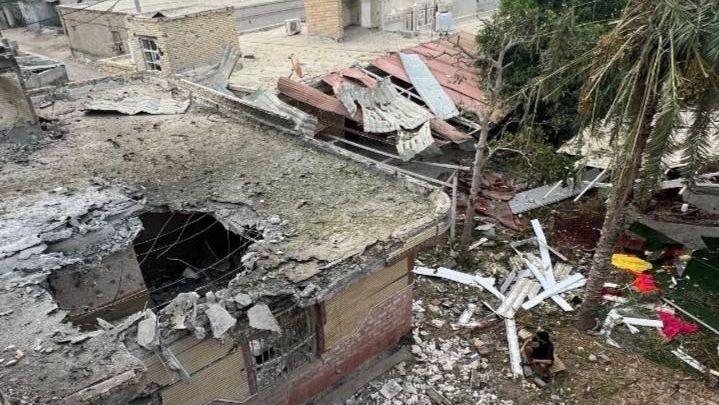
The prospect of an imminent agreement to end the conflict between the US and Iran again seems unlikely, with the warring sides exchanging strikes and uncompromising rhetoric.

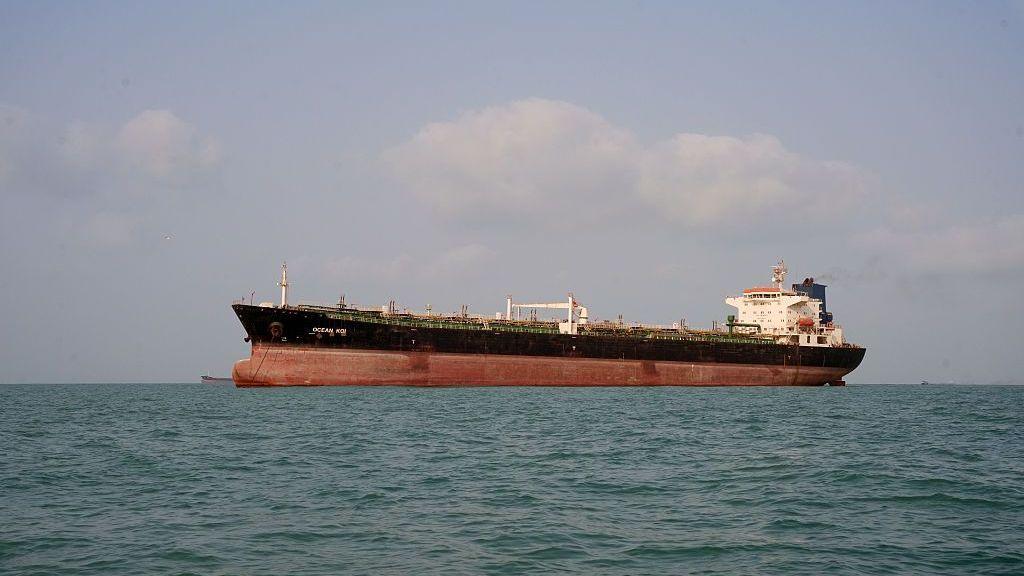
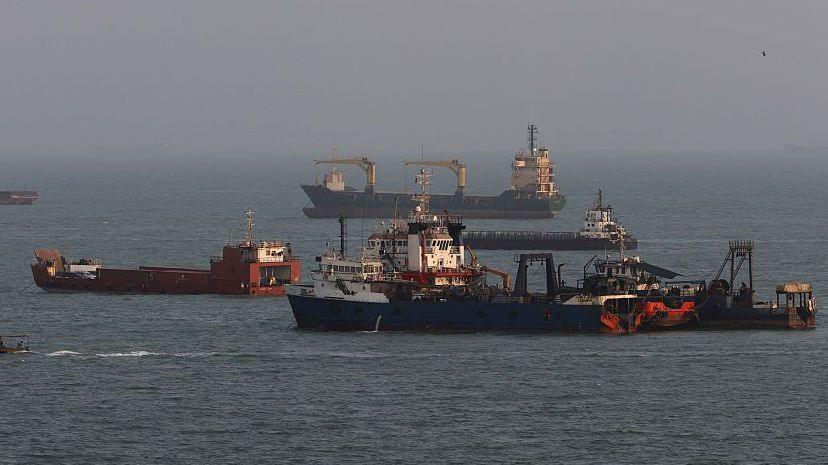
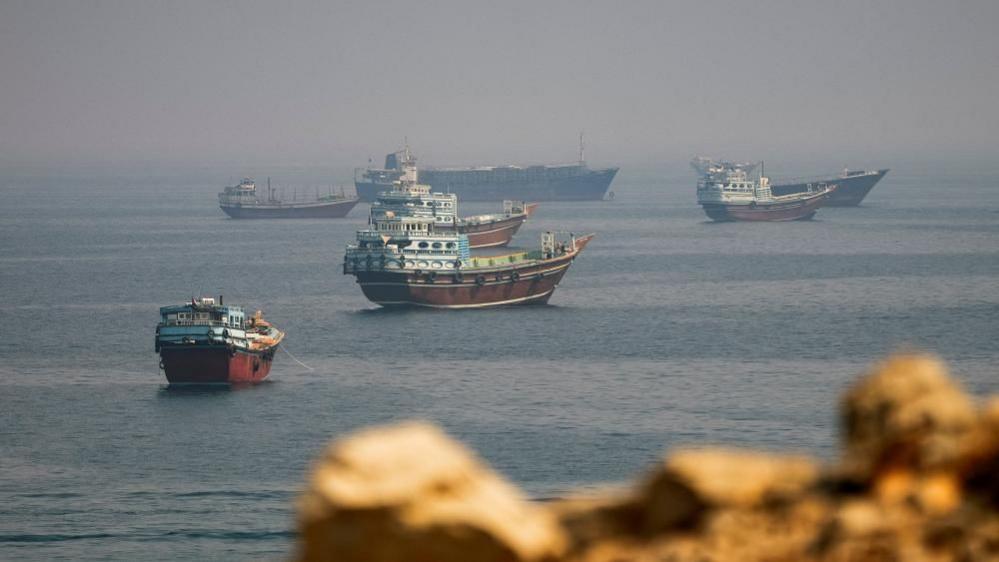
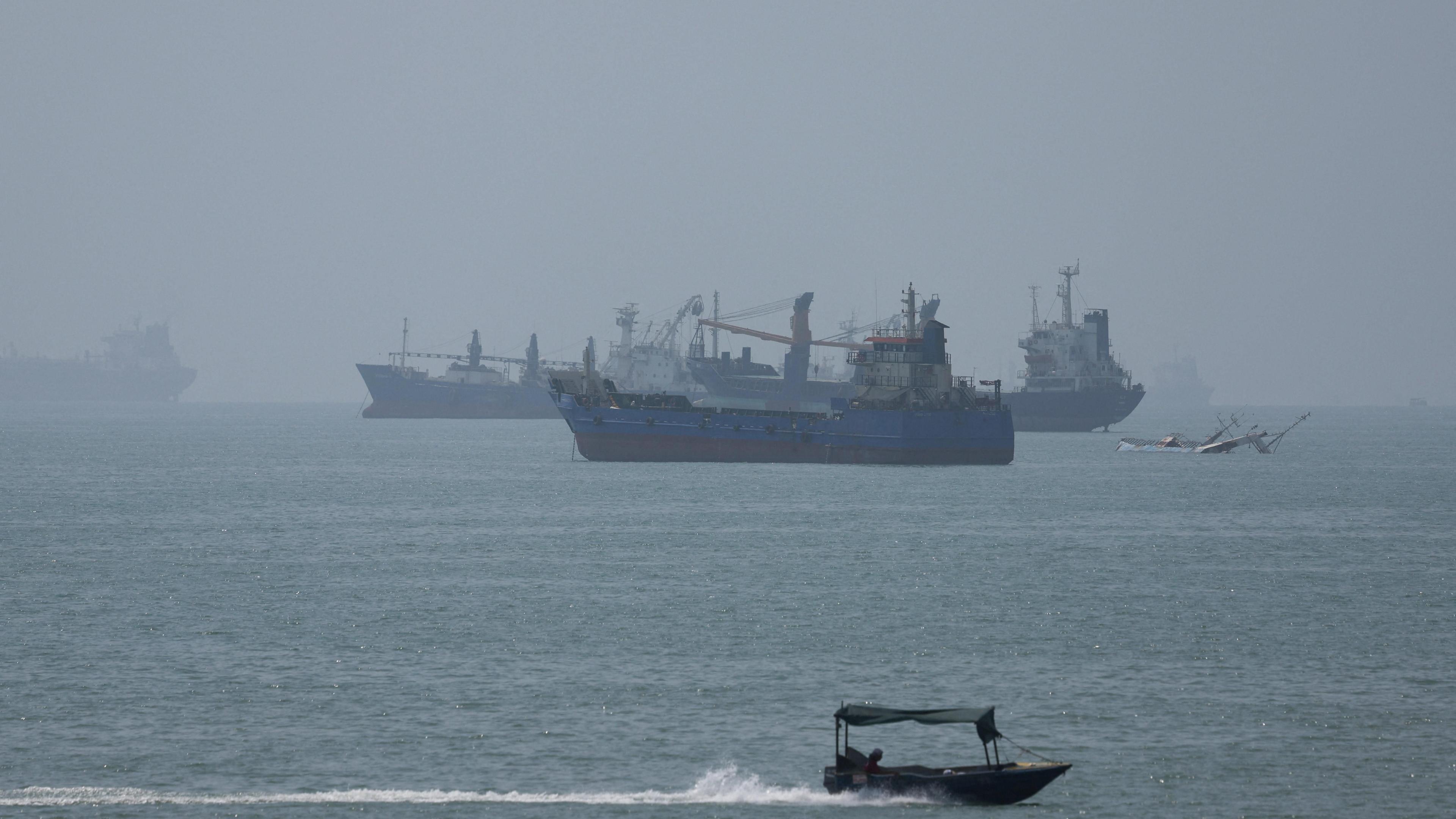
The attacks come days after the US said it was moving into a new phase – a sweeping economic blockade against Iran and its trade partners. The aim is to force Iran to negotiate and stop its attacks on shipping in the Strait of Hormuz, a key commercial artery that has effectively been shut down since the conflict began in February.
A Memorandum of Understanding signed in June, intended to lead to a ceasefire and a deal within 60 days, has expired. As the war enters its seventh month, we asked three experts for their thoughts on how it may play out.
US Hopes Military and Economic Pressure Will Weaken Iran’s Negotiating Power
Jason Campbell, Senior Fellow at the Middle East Institute, Washington DC:
"The problem is we still do not know definitively what the US strategic objectives are in Iran. The White House is persistently re‑evaluating what it is willing to live with from a political standpoint,"
"What we are seeing is different levers – both military and economic – that the US is trying to pull at. Right now, the administration appears satisfied with some form of stasis,"
"US officials are hopeful that the new sanctions will compel the Iranian regime to come to the negotiating table in a weaker position, though Iran is likely to demand a high price for resolution,"
Iran Will Wait for US Concessions
Dr. Aniseh Bassiri Tabrizi, Associate Fellow at Chatham House, London:
"I do not think the latest strikes really alter Iranian calculations. Tehran is preparing for an increased economic squeeze and stands ready to respond proportionately to avoid a larger conflict,"
"The economic pressure will hurt Iran’s already fragile economy, but it does not alter Iran’s negotiating stance,"
"Iran is waiting for the US to return to the MoU or offer some concession. Tehran does not want to cave in and will resist sanctions or attacks,"
US Must Go Back to the Ceasefire Deal
Nicholas Hopton, Distinguished Fellow in international security at the Royal United Services Institute, London:
"The latest spike in military action won’t force Iran’s capitulation. Economic pressure alone is unlikely to work because China, Russia and others will not support unilateral US sanctions,"
"Iran can continue to disrupt the Strait of Hormuz, holding a global jugular. A negotiated exit could weaken the hardliners and reassure the world that Iran will not get a nuclear weapon,"
"The clearing of US sanctions could instigate long‑term economic engagement to change Iran’s political–social nature, though it would take time and a coordinated strategy with allies,"
"For now, the conflict remains messy and inconclusive, harming all parties,"
In the escalating standoff, the key question remains: will the US maintain pressure or revisit the ceasefire framework to steer a safer resolution? Analysts converge on the importance of sustained diplomatic effort, balancing economic sanctions with strategic talks. The outcome will shape the future of Middle Eastern stability and global trade corridors.