Fed Chair Warns Americans: Inflation Still a Bother, Signals Possible Rate Hike
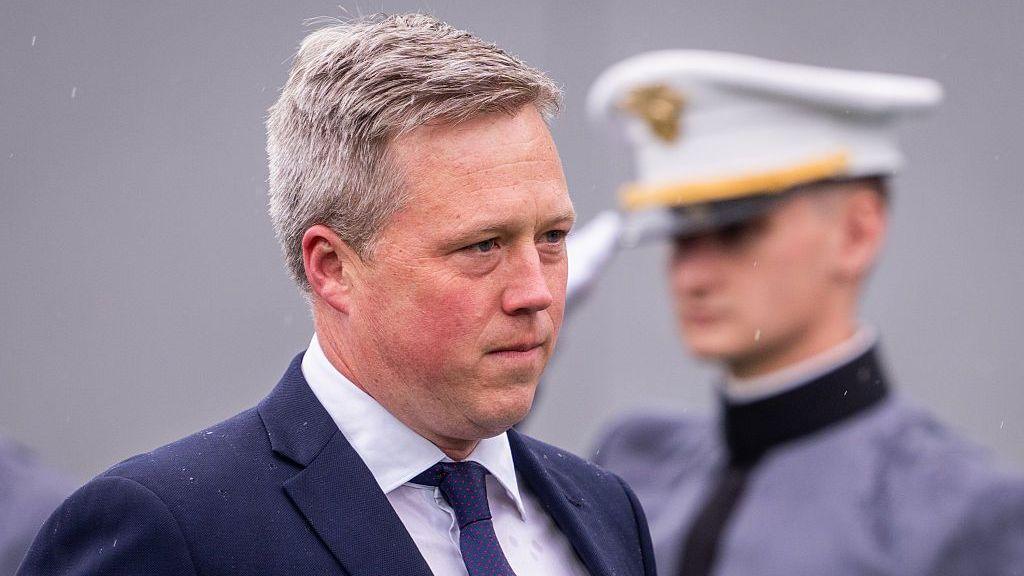
At the yearly Jackson Hole Economic Policy Symposium in Wyoming, Federal Reserve Chairman Kevin Warsh warned that the fight against inflation may still require action.
Warsh noted that while summer inflation readings showed a slight easing, they did not demonstrate a meaningful improvement. He explained that if the underlying cost‑of‑living pressures remain high, the Fed will have to consider tightening policy.
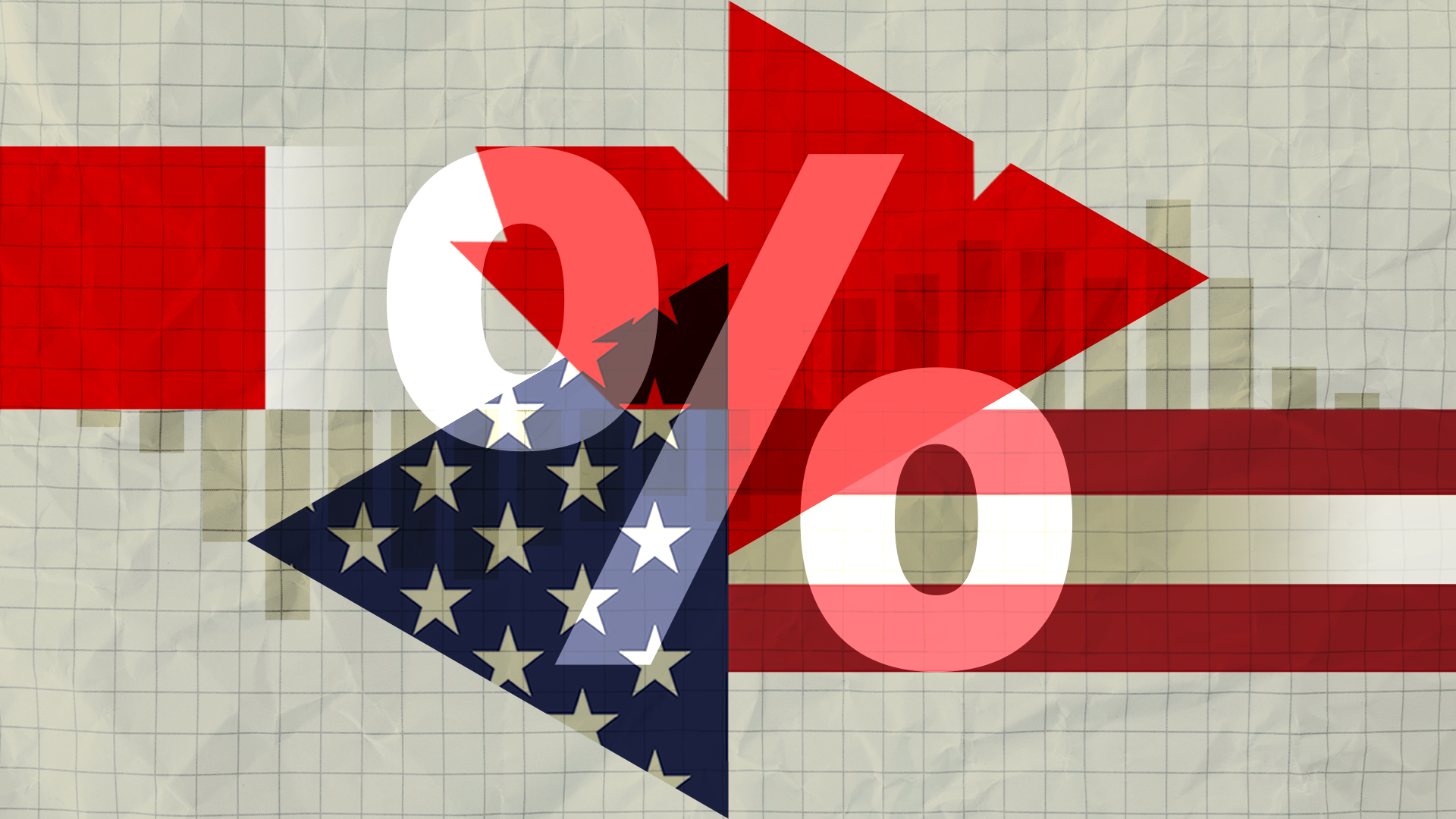
Recent figures reveal that consumer prices rose 3.4% year‑to‑date, above the Fed’s 2% target, while the core PCE inflation gauge sits at 3.7%.
He added that the Fed’s primary focus must remain on price trends, arguing that confidence that underlying inflation is moving toward the goal at a sufficient rate is essential before considering any rate cuts.
Although the Fed has not published a formal forward guide, Warsh’s remarks prompted market expectations for an interest‑rate hike in September, with CME data showing increased probability of tightening.
Capital Economics analysts described Warsh’s speech as a “hawkish” signal, suggesting the Fed is open to a rate increase if growth remains robust and core prices stay firm.
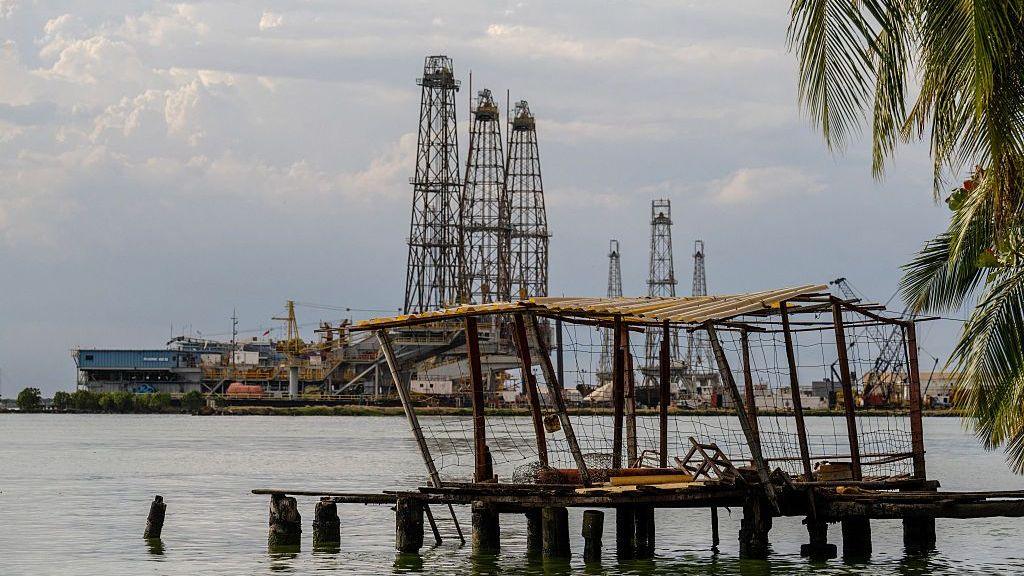
Meanwhile, rising oil prices driven by the U.S.–Iran conflict have pushed borrowing costs higher, influencing mortgage, auto, and credit‑card rates. The combined effect of these hikes has pushed U.S. national debt past $40 trillion, doubling its size in a decade under both Trump and Biden administrations.
Treasury Secretary Scott Bessey announced plans to retire debt to alleviate borrowing costs, but markets reacted only briefly to the announcement.
Interest‑rate hikes remain a key tool for central banks to cool inflation by increasing borrowing costs, potentially curbing consumer spending. However, such hikes can also benefit savers by offering better returns on deposits.