Five Charts Explain How the US‑Canada Tariff Clash Is Wreaking Havoc
The Trump‑era tariffs have pushed Canada and the United States into a cross‑border showdown.
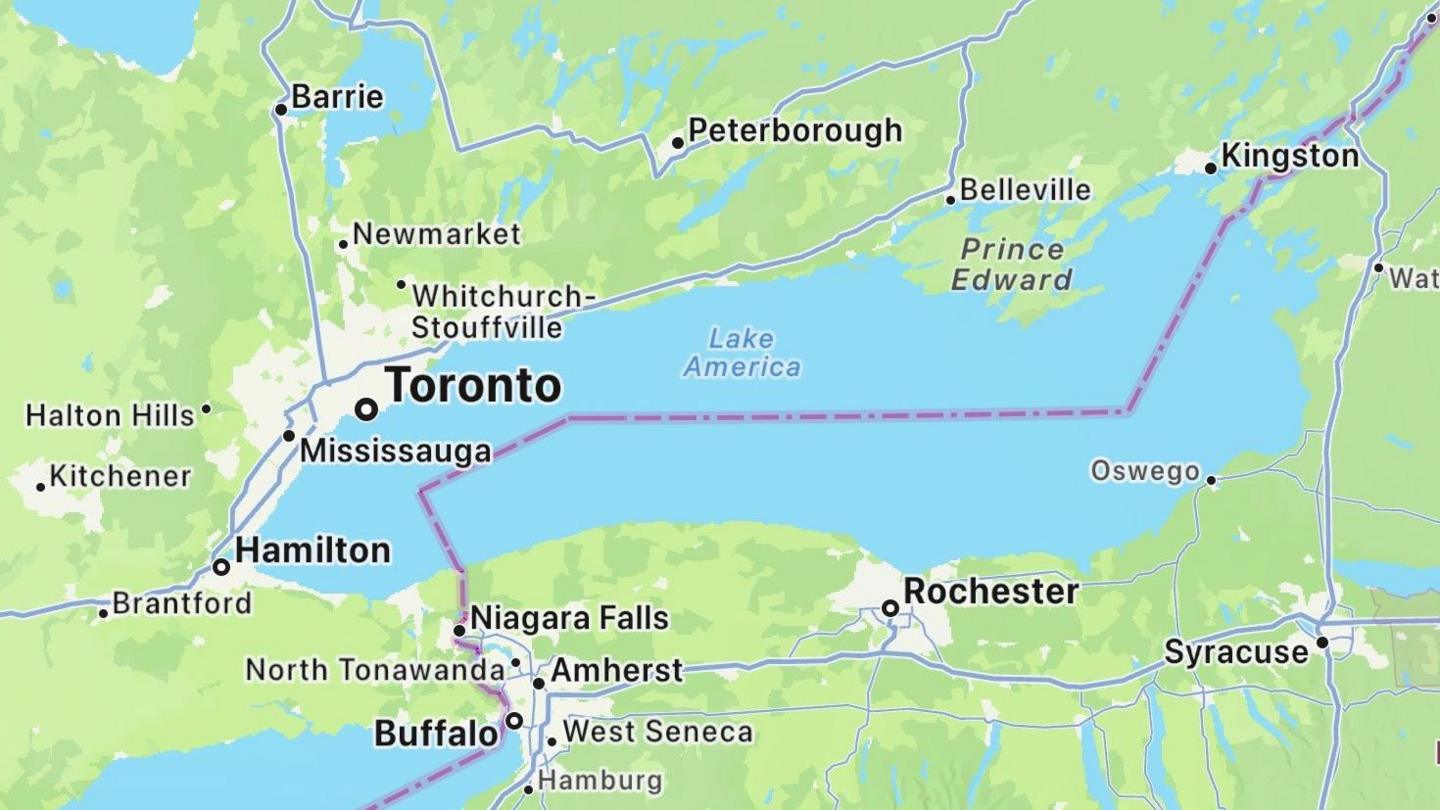
Trade war hits Ontario hardest
Ontario’s auto and steel plants have rolled out layoffs, and the province has lost tens of thousands of manufacturing jobs since early 2025.
The province, the most populous in Canada, is the most exposed to U.S. sectoral duties on steel, aluminium and auto parts that fall outside the USMCA.
Swing states in the cross hairs
U.S. states such as Ohio, Illinois and Pennsylvania are the hardest hit by Canada’s new 50 % tariffs on about C$28 bn of goods, including steel, furniture, cosmetics and toilet‑paper.
Ohio faces a 12 % tariff on exports, heavily impacting steel and laundry machines, while Illinois sees tariffs on farm and construction equipment because of its John Deere base.
From the lowest tariff rates to one with the pack
Before the recent 50 % duties, Canada’s average U.S. tariff was 2.9 % in June; it has now doubled to 5.7 % and is higher than Mexico’s.
The U.S. effective tariff on the UK stands at 6.2 %, while China faces around 20.5 % on average.
Canada’s exports are going elsewhere
With a U.S. share of more than 70 % of Canadian exports, the trade fight has already spurred firms to diversify; Carney aims to double non‑U.S. exports over the next decade.
Some businesses are pivoting to Europe, with Toronto‑based menswear brand Outclass now attending Paris trunk shows instead of New York.
Fewer jobs and less disposable income
An analysis by the Canadian American Business Council estimates that tens of thousands of manufacturing jobs could be lost if the U.SMCA dissolves; 55 000 Canadian jobs have already disappeared since January 2025.
In the U.S., the Center for American Progress projects that Trump’s “Liberation Day” tariffs have already caused losses in manufacturing, transportation and warehousing.
American households could pay an average extra $840 this year due to these tariffs, according to the Tax Foundation.
Canadian counter‑tariffs are more targeted and aim to limit consumer costs; however, manufacturers now face higher prices for U.S. industrial supplies.