By Hugo Bachega, Middle East Correspondent
A deserted highway, a new front line
The stretch of road that once offered a scenic drive along the Mediterranean coast now feels like a ghostly echo of war. Crawling dust and abandoned crops mark the landscape as the Israeli military establishes checkpoints within the last enclaves of Lebanon’s sovereign territory.
At Naqoura, a Lebanese military post—red and white pennants flapping in the wind—stands as the sole reminder of state presence. Behind heavy concrete walls, soldiers watch passersby vanish from sight, while a dozen Israeli flags signal the start of a zone now governed by a foreign army. Yet not a single vehicle seems to drum along the road, and the air carries the sterile silence of an area under firm control.
The southern region is a stronghold for Lebanon’s Shia community and the home base for Hezbollah, which the United States and many other countries classify as a terrorist organization. That the group has been the target of three Israeli invasions in the past two decades only heightens the international tension. The latest incursion launched in March after Hezbollah launched rockets in response to the murder of Iran’s Supreme Leader, triggering a sweeping operation by the IDF.
In the aftermath of summer’s ceasefire, UNIFIL patrols have managed to bring a fragile calm to the border in the past, but the military’s later-on expansion leaves many in doubt. Members of the UN peacekeeping force escorted civilians from Christian villages—once shielded from the conflict—only to find them now isolated behind a wall that spans ten kilometres on the Israeli side.

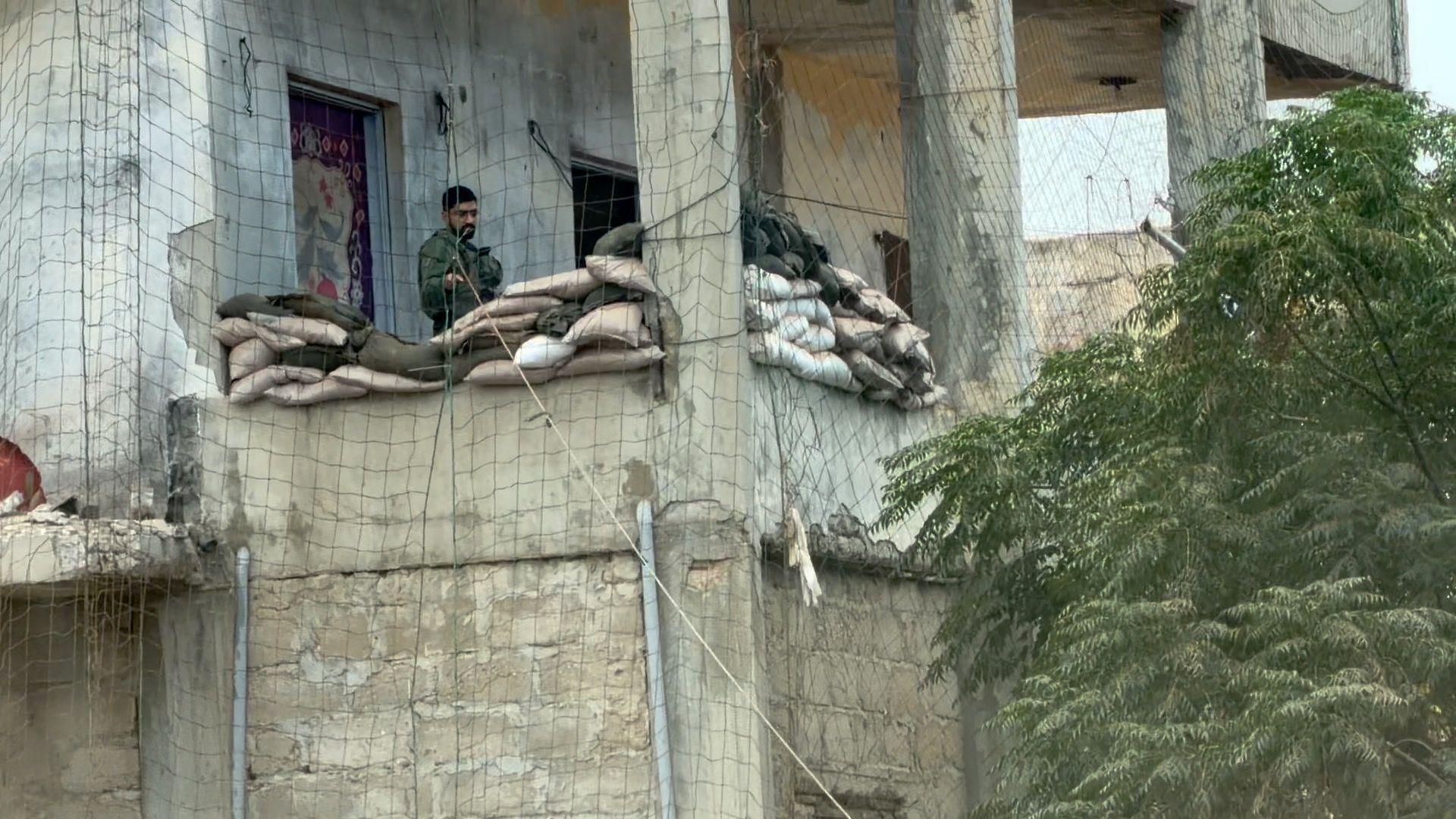
The IDF has fortified new bases—four additional posts that bring the total count to nine. UN officials note that Israeli soldiers roam the area with unprecedented frequency, building protective infrastructure while stationed residential buildings are covered in netting to protect against drone attacks.
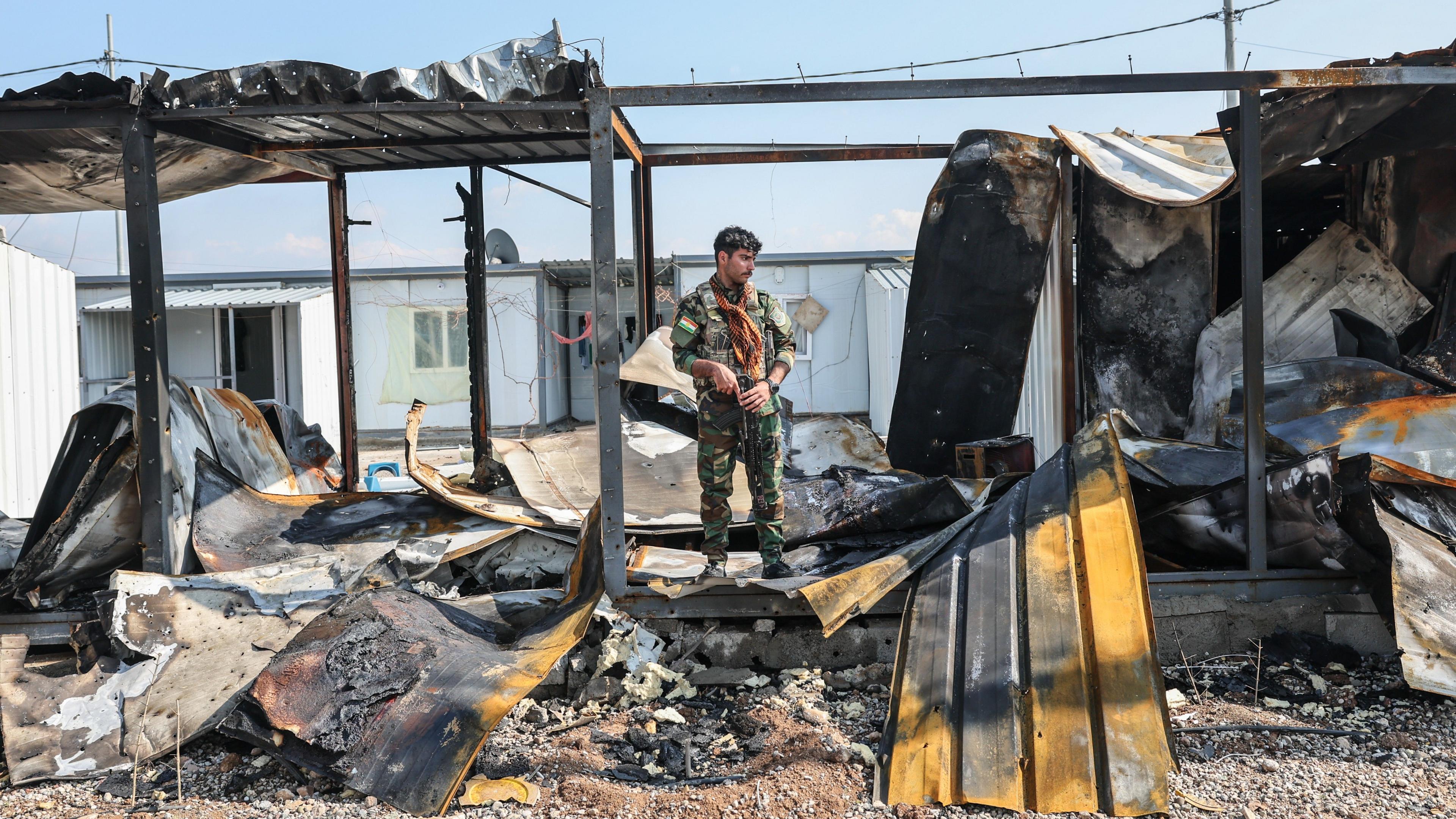
Shooting drones hover quietly overhead, punctuated by distant, often unexplained demolitions. Human‑rights monitors claim that such actions constitute the deliberate destruction of civilian infrastructure, a possible war crime. Yet Israeli officials maintain that any demolition was necessary to remove alleged Hezbollah weapons caches, citing “international law” as justification.
Lebanon’s intelligence services report over five thousand breaches of the ceasefire since June, including air strikes, drone attacks, shelling and daily incursions beyond the “Yellow Line.” Hezbollah, although largely idle after the ceasefire, continues to target Israeli forces that operate within Lebanese territory.
The future remains unclear; Israeli officials condition withdrawal on Hezbollah’s disarmament—a demand that Lebanon cannot fulfil without the group’s compliance. A July framework agreement between Israel, Lebanon, and the United States envisioned “pilot zones” with Lebanese Army troops stationed as Israeli forces recede, but the plan has stalled as the next Israeli election approaches.
“The idea of the pilot zones seems dead until the context changes,” notes a European diplomat. “It seems we’re heading to a Gaza‑like situation. The Israelis are entrenching themselves… and are here to stay, for now.”
The reality on the ground underlines the strain. Thousands of Lebanese civilians have been displaced for years, uncertain whether their homes, now bulldozed or fenced in, could ever be reclaimed. As diplomatic back‑channels fray, the road that once glittered under the sun now stands looming with concrete, flags and a whole new story of occupation.
For live updates, follow RTWNews’s real‑time feed, connect with users on the chat, and explore our interactive timeline to stay ahead of the unfolding saga in southern Lebanon.