In brief
Iceland’s citizens rejected a return to EU membership talks by a 52.8% margin in a referendum held on Saturday. With 82.5% turnout, the vote reflected strong urban‑rural differences, leaning against the deal in rural fishing areas. Prime Minister Kristrún Frostadóttir confirmed the debate would not be revisited while her government remained in office. Key concerns—fishery control, Iceland’s independent identity and security ties—overwhelmed economic arguments for deeper EU integration.
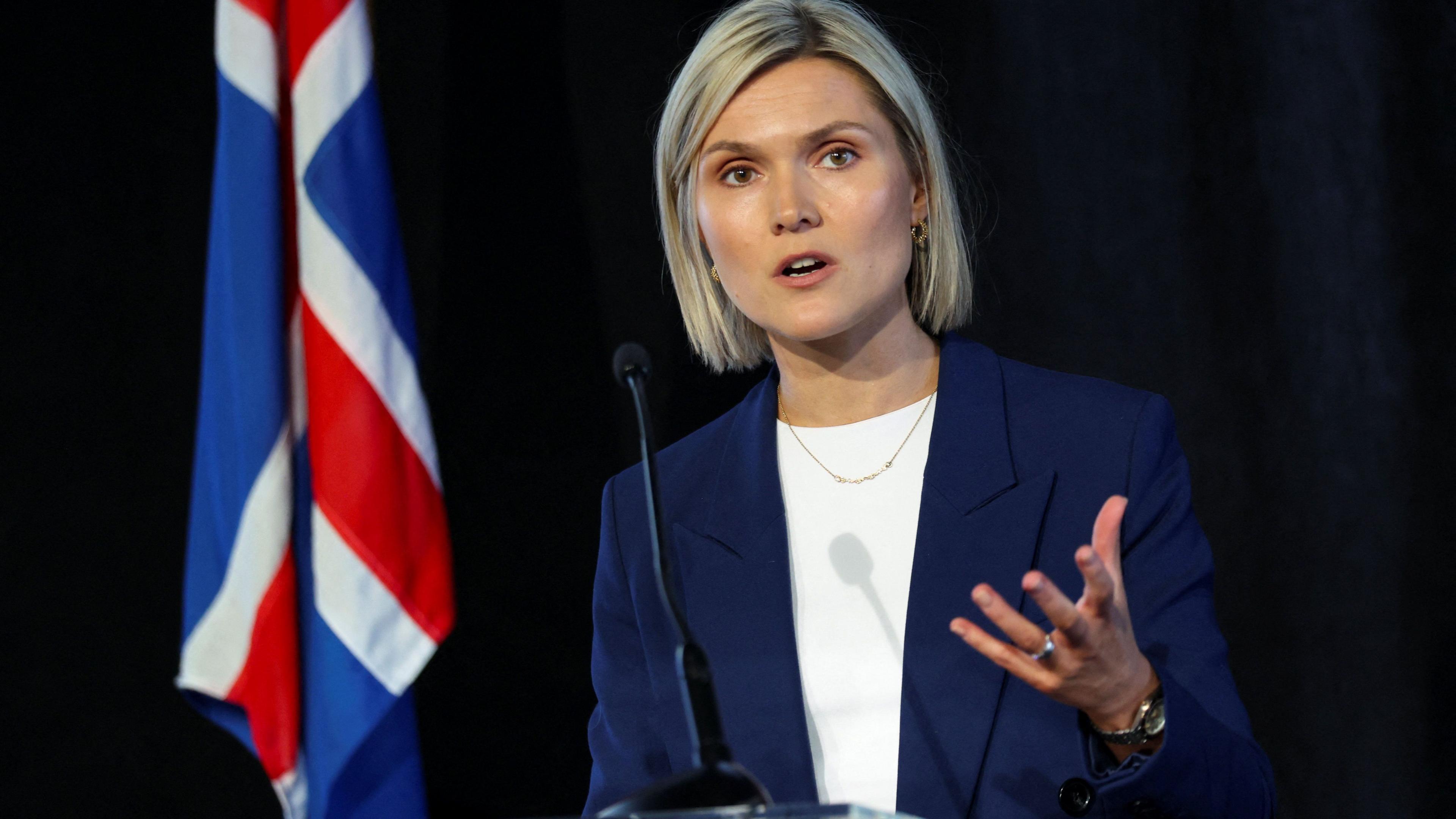
On Saturday, Icelandic voters turned down a proposal to restart talks on joining the European Union, with 52.8% of more than 225,000 ballots refusing a return to membership. Prime Minister Kristrún Frostadóttir addressed the nation, saying the issue would not be revisited while her government remained in office.
The high 82.5% turnout marked the strongest engagement in Icelandic elections since 2009, yet the vote split sharply between the capital and rural areas. Reykjavík and the surrounding Synt land were largely in favour of the EU, while fishermen‑heavy regions voted ‘No’ to protect what they see as national fishing rights.
A ‘Yes’ vote would have moved Iceland closer to an accession agreement that still requires a second referendum for full membership, while a ‘No’ does not rule out future talks. The outcome underscored the importance of fishing to the economy—nearly 40% of Icelandic exports – and the stubborn hold on national sovereignty.
The referendum also touched on security concerns, as Iceland, a Nato founder member, has no military of its own. Joining the EU would offer access to the bloc’s shared defence structures, though the Icelandic Foreign Minister Katrín Gunnarsdóttir pledged to strengthen defence ties with other countries following the result.
Analysts highlighted that the debate remained largely domestic, with concerns over fishery control and independence outweighing the potential economic benefits of EU membership. The result was dubbed a ‘setback for Brussels’, though it also reinforced Iceland’s self‑determinism in the North Atlantic.
For visual context, the chart below shows the exact vote split in the referendum.