In brief
The Panama Canal Authority (ACP) announced a reduction in vessel traffic to 32 ships a day from 15 September as a precaution against the expected low rainfall caused by a severe El Niño event. The move aims to preserve reliability and safeguard water supplies for the canal’s long‑term sustainability. This comes amid ongoing shipping disruptions due to the Iran war at the Strait of Hormuz, while the canal remains a vital conduit for global trade and contributes around $3 bn to Panama’s economy annually.
The Panama Canal Authority (ACP) announced that the number of vessels allowed to pass through the canal each day will be reduced from 36 to 32 starting 15 September. The decision comes as the region braces for a severe El Niño, a climate pattern that brings unusually warm sea surface temperatures and can drastically lower rainfall.
The canal’s long‑term sustainability is a key concern. The ACP said the change is needed to preserve “service reliability and safeguard water resources for human consumption.” It will also support the canal’s ability to operate through the upcoming rainy season in Central America.
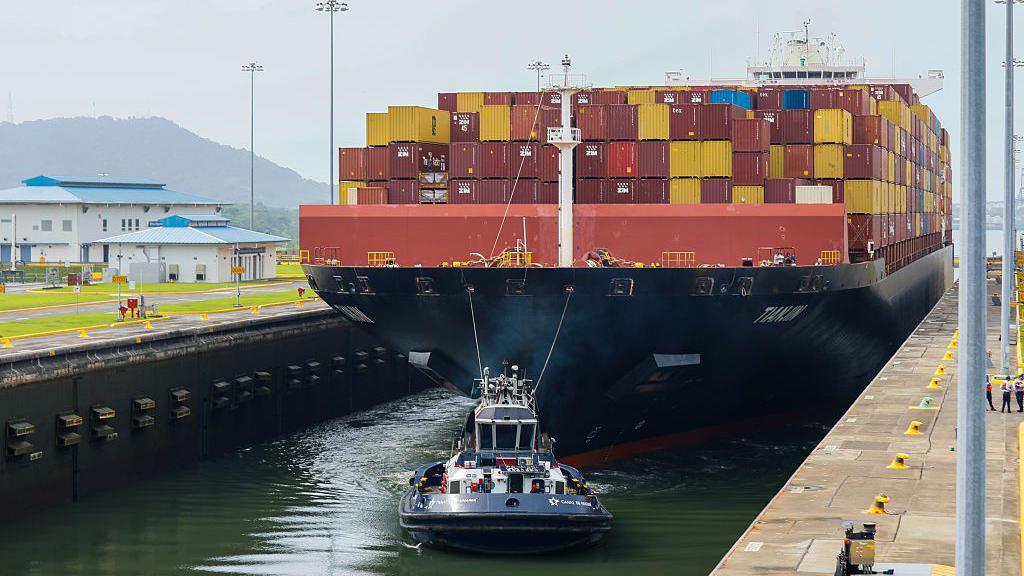
The Panama Canal remains a global trade lifeline, cutting travel time and distance between the Atlantic and Pacific oceans. Roughly 14,000 ships traverse the waterway each year, and it is a major revenue source for Panama, generating about $3 bn annually.
In 2023, the ACP had already reduced traffic during a much‑drier October, the driest month on record since 1950, to conserve water. The new reduction is now phased in from 3 September, with the daily cap taking effect from 15 September.
Shipping companies have already been navigating disruptions caused by the Iran–war‑related restrictions on the Strait of Hormuz. The canal’s adjustments are part of a wider industry effort to mitigate variable weather and geopolitical risks.
For further context, the ACP’s decision follows international calls to prepare for what climate experts say could be one of the strongest El Niño events ever recorded.