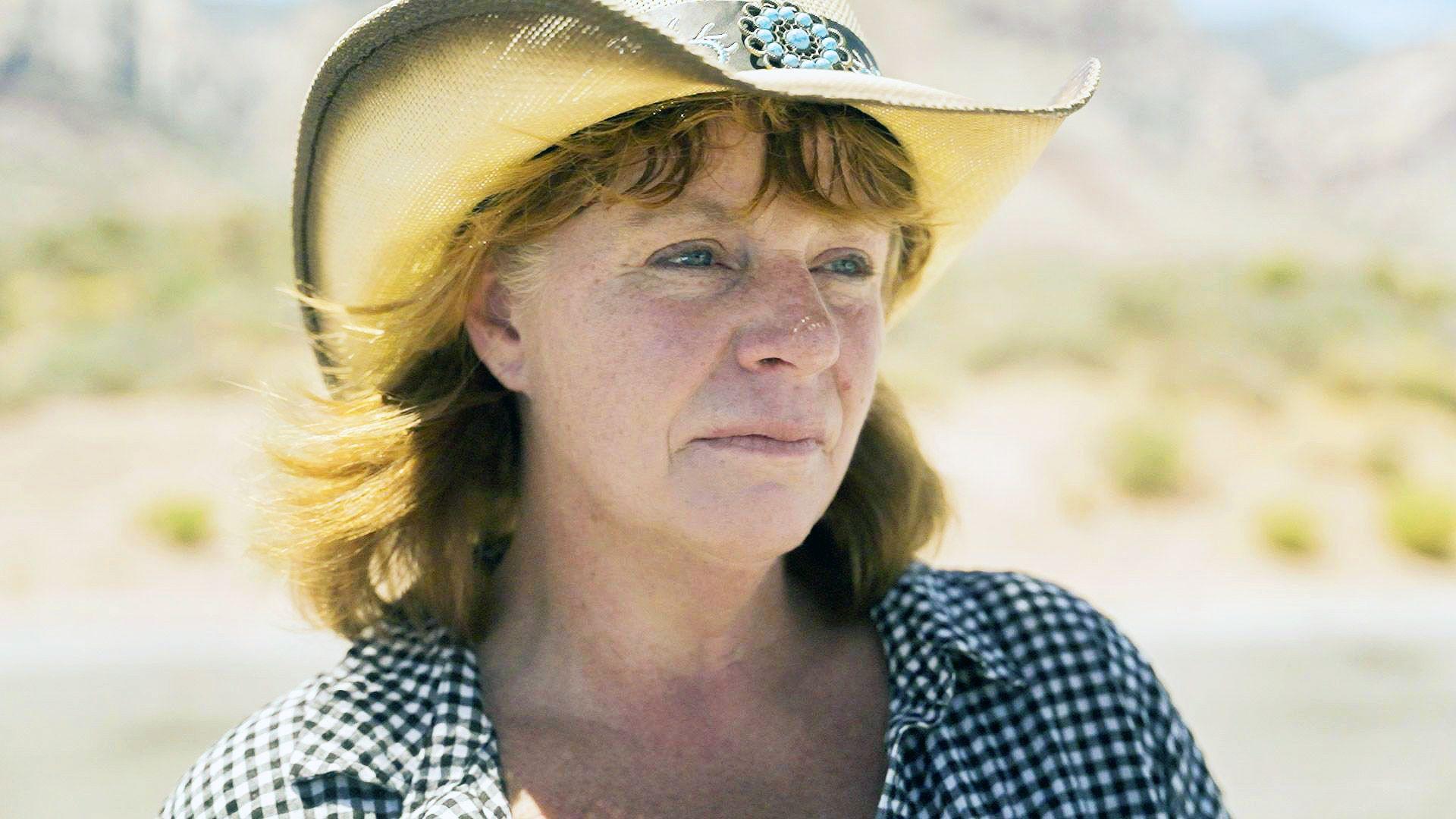
Holly Ratchford, once a property manager in San Diego’s Parkwood Apartments, has, for the first time, spoken publicly about discovering that the man who rented a unit there in 1999 was linked to Saudi intelligence. The man, Omar al‑Bayoumi, later became a key facilitator for two men who would become the 9/11 hijackers: Nawaf al‑Hazmi and Khalid al‑Mihdhar.
Ratchford met Bayoumi when he arrived with his family in September 1999. He quickly became a regular at her pool parties, engaging with the building’s residents in an easy‑going, smiling manner. A few months later he introduced her to two polite men from his mosque. Those men would later be named as the terrorists who hijacked American Airlines flight 77, crashing it into the Pentagon on 11 September 2001.
Ratchford has been haunted by this connection for 25 years. She says she was never questioned or warned about the hijackers, but after the attacks she was contacted by a reporter asking if she had known the men were terrorists. She was shocked: “And I went, ‘What?’”
Bayoumi’s role extended beyond mere tenancy. The FBI opened an investigation once he had used his position to secure taxi drives, driver licences, flight school admissions, and even arrange dental treatment for Hazmi and Mihdhar. The FBI uncovered letters to a Saudi charity linked to al‑Qaida and writings that could be interpreted as jihadist.
On 21 September 2001, Bayoumi was arrested by the Metropolitan Police in Birmingham, where he had moved before 9/11. US authorities later investigated him further, but no charges were brought. Despite this, families of the 9/11 victims have pursued a $1 trillion lawsuit against Saudi Arabia and Bayoumi, alleging that his actions were “not just acts of a good Samaritan, but rather that he was following instructions from the Saudi government.”
Ratchford’s recollections, captured in a sealed court declaration and her recent interview for BBC Panorama, contradict Bayoumi’s evasive accounts. She insists she and the hijackers openly interacted in the months after their arrival—routines of tea and cookies, rent payments she personally covered, and mutual visits to the park’s poolside lounge.
For Ratchford this revelation changed everything. She left Parkwood a week after the attacks, moved from the city to an isolated peninsula and then to a remote desert location in the western US. She now lives a quiet life, rarely speaking to anyone she does not trust fully.
The legal battle is ongoing. In August 2023 the New York judge listed Bayoumi in the lawsuit and issued a “reasonable inference” ruling that he acted under Saudi instructions. This case is now pending before the US Court of Appeal, where arguments will be heard in October.
The story not only brings new details to the eyes of families who suffered on 11 September, but also underscores how a single property manager’s witness has become part of the continuing saga about the international right‑shapes of the 9/11 attacks.