In an attempt to break the stalemate with Iran, President Donald Trump has announced a sweeping sanctions initiative, dubbed the ‘Economic D‑Day’, aimed at shattering the economic lifelines that Iran relies on.
Under the new measure, any country or company that continues to trade with Iran – whether by transferring money, purchasing Iranian oil or conducting sea‑based transactions – risks heavy economic penalties. Treasury Secretary Scott Bessent said the U.S. will “use its full might” against violators, while Vice‑President J.D. Vance called it a “new phase” of the conflict and a more effective tool than previous options.
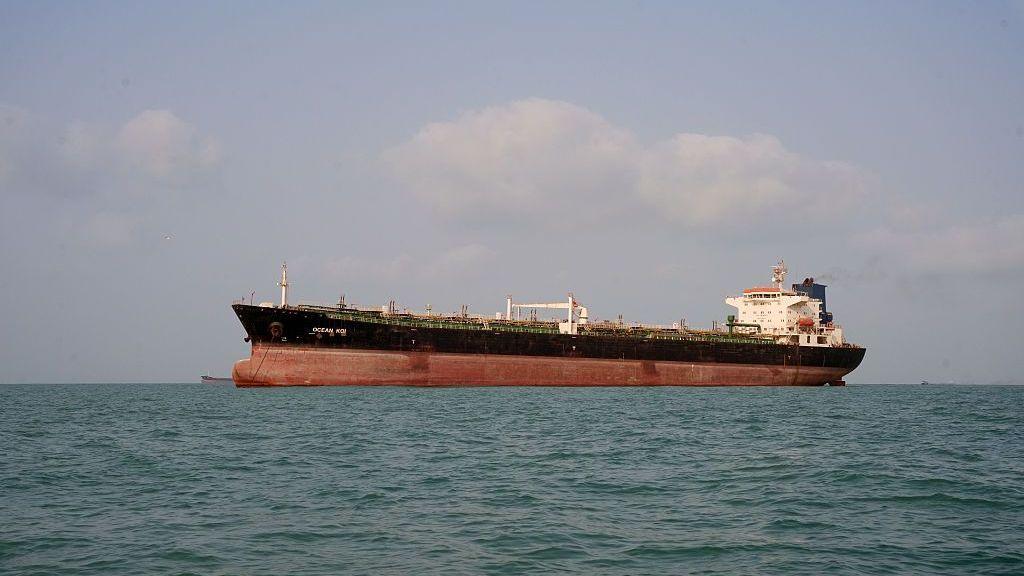
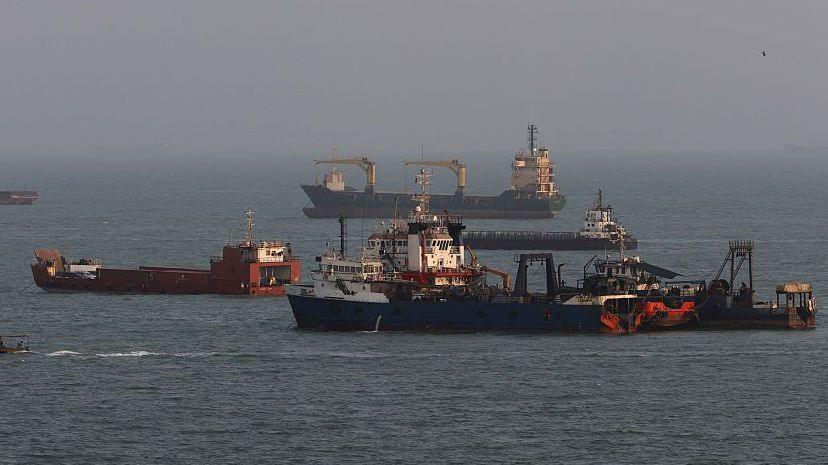
The U.S. backdrop of decades‑long sanctions traces back to the collapse of the Joint Comprehensive Plan of Action (JCPOA) after Trump withdrew. The latest campaign, Operation Economic Fury, combines Treasury‑driven sanctions against regime finances with a naval blockade that targets Iranian ports.
Geostrategy thinker Imran Bayoumi of the Atlantic Council voiced frustration at the lack of progress and described the initiative as a “recognition that the U.S. is effectively stuck in the war,” while noting it remains another tool that may increase pressure without a clear overarching strategy.
Sanctions specialist Michael Parker highlighted the novel aim of expanding the blast radius by targeting third‑country financial institutions that still engage with Iran, especially those tied to the U.S. dollar. He pointed out that U.S. banks handling Iranian transactions would become prime targets – a threat not fully explored in past sanctions.
China, Turkey, and Iraq – nations historically spotted trading with Tehran – now face a dilemma. The effectiveness of the sanctions hinges on their willingness to comply or defy U.S. directives. Experts fear that without a comprehensive strategy, the economic pressure may not bring a decisive shift in Iran’s behavior.
The campaign’s launch will be announced in a Treasury press conference slated for 24 August, as the U.S. government looks for a breakthrough to end a long‑standing deadlock with Iran. If successful, the ‘Economic D‑Day’ could rewrite the way sanctions are wielded in international policy and potentially tip the scale against Tehran’s hardline regime.