Germany Blames Russia for Leipzig Drone Attack
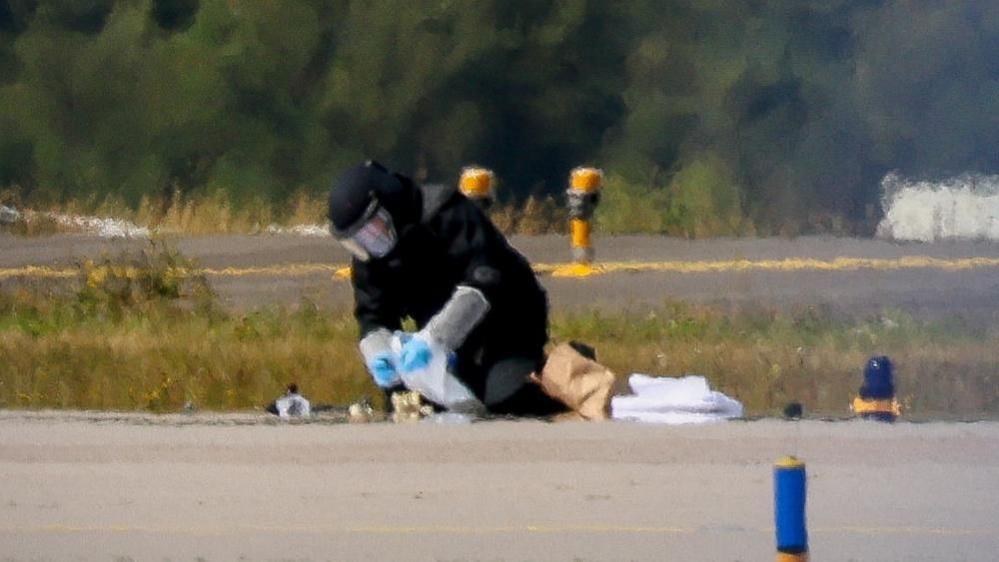
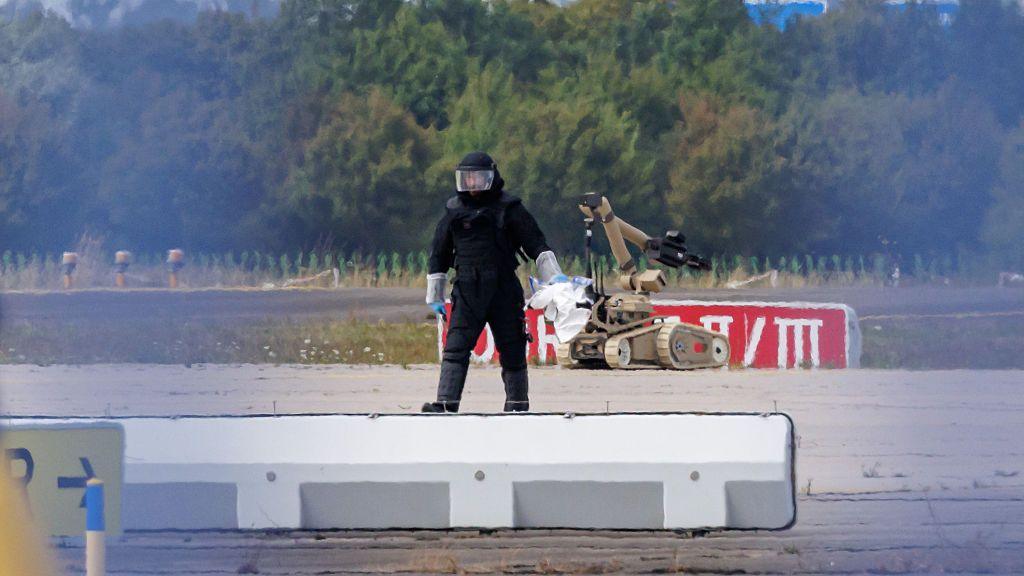
On 4 August a drone carrying an explosive device was discovered at Leipzig/Halle Airport, close to Ukrainian cargo planes. The device failed to detonate because of a faulty detonator, and investigators think a second drone collided with a nearby cargo aircraft. A third drone was found near the airport ten days later.
Interior Minister Alexander Dobrindt said the attack followed the “well‑established pattern of Russian hybrid operations in Europe” and that Germany would probably face another assault. He added that intelligence and forensic examination proved Russian involvement.
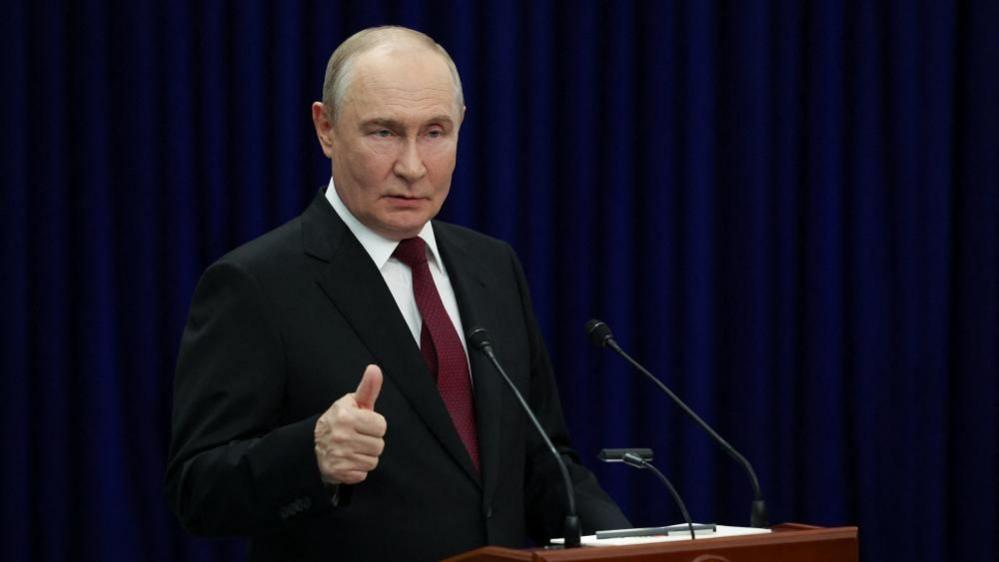
In response, Russian President Vladimir Putin accused Germany of planting evidence to blame Moscow for the attempt, but offered no proof. The Russian embassy in Berlin called the allegation “absurd,” while Moscow’s foreign ministry spokesperson Maria Zakharova said the Kremlin would react in a “mirror‑image” fashion.
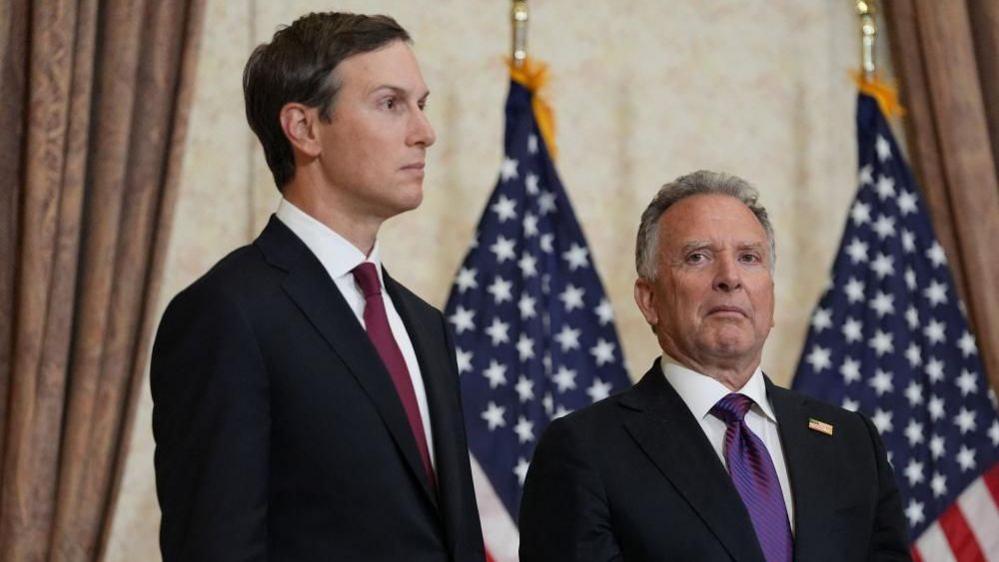
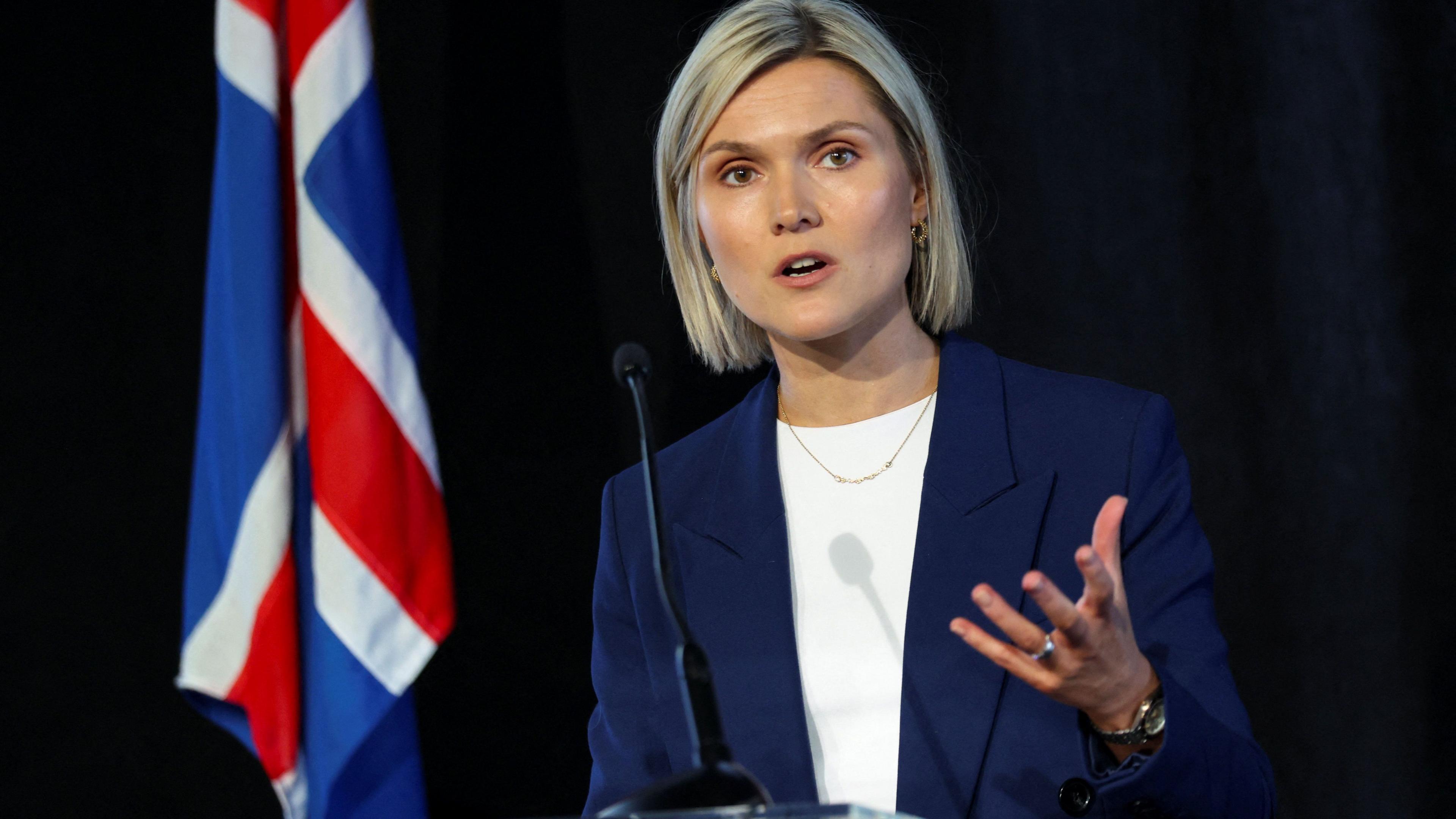
German Foreign Minister Johann Wadephul, standing beside Dobrindt at a Berlin press conference, announced plans to close the Russian consulate in Bonn and terminate the contract for the Russian House in Berlin—a site previously accused of espionage and propaganda. He also pledged tighter entry controls for Russian nationals and greater pressure on Moscow’s shadow fleet.
Wadephul summoned Russia’s ambassador, Sergei Nechayev, to the foreign ministry shortly after the announcement. Zakharova called Germany’s measures an “unprecedented escalation in Russian‑German relations.”
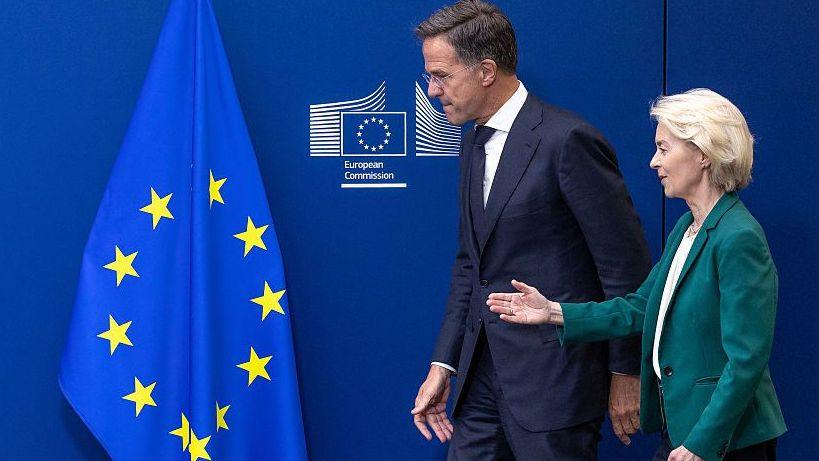
The Leipzig airport is a key logistics hub for Germany’s military and NATO allies and hosts Ukraine’s Antonov Airlines, which carries most Ukrainian cargo. NATO’s Secretary‑General Mark Rutte posted on X that the organisation “stands in full solidarity with Germany,” welcoming the measures and noting that “the evidence is clear.”
EU Commission President Ursula von der Leyen wrote on X that the EU would unite to deter Russian aggression and that additional sanctions were under consideration.
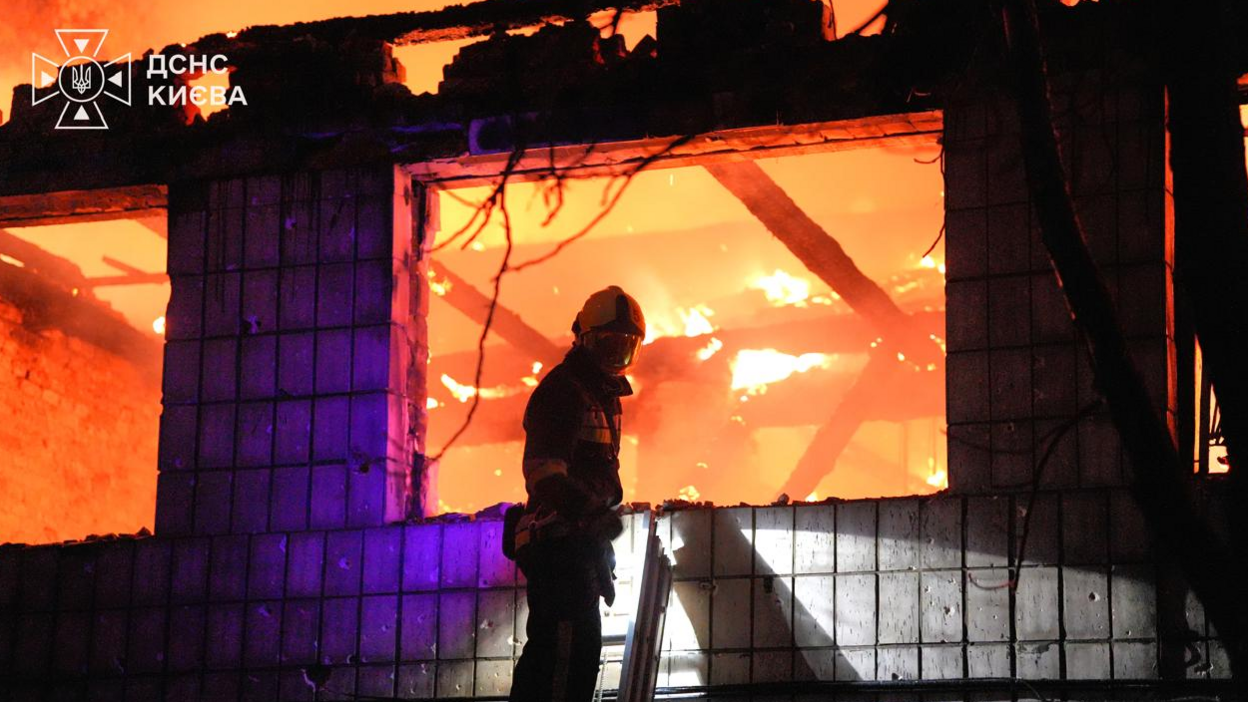
Polish Prime Minister Donald Tusk described the incident as “escalating tension across the whole region.” Polish prosecutors are investigating potential foreign intelligence involvement in a drone‑component factory fire. British Prime Minister Andy Burnham declared that Russian attempts to undermine Europe’s resolve “are futile and doomed to fail.”
Germany is one of several NATO member states to report drone sightings at airports, military and industrial sites over the last year. Berlin has been tight‑lipped about who was behind the Leipzig attack except to say that foreign powers were involved, and U.S. officials have linked the incident to Russia.
The German government is looking to strengthen its intelligence agencies to counter hybrid warfare threats, while Chancellor Friedrich Merz warned that attackers would “pay a price.” However some members of Merz’s CDU party say that the actions taken so far are “far short of what is required.”
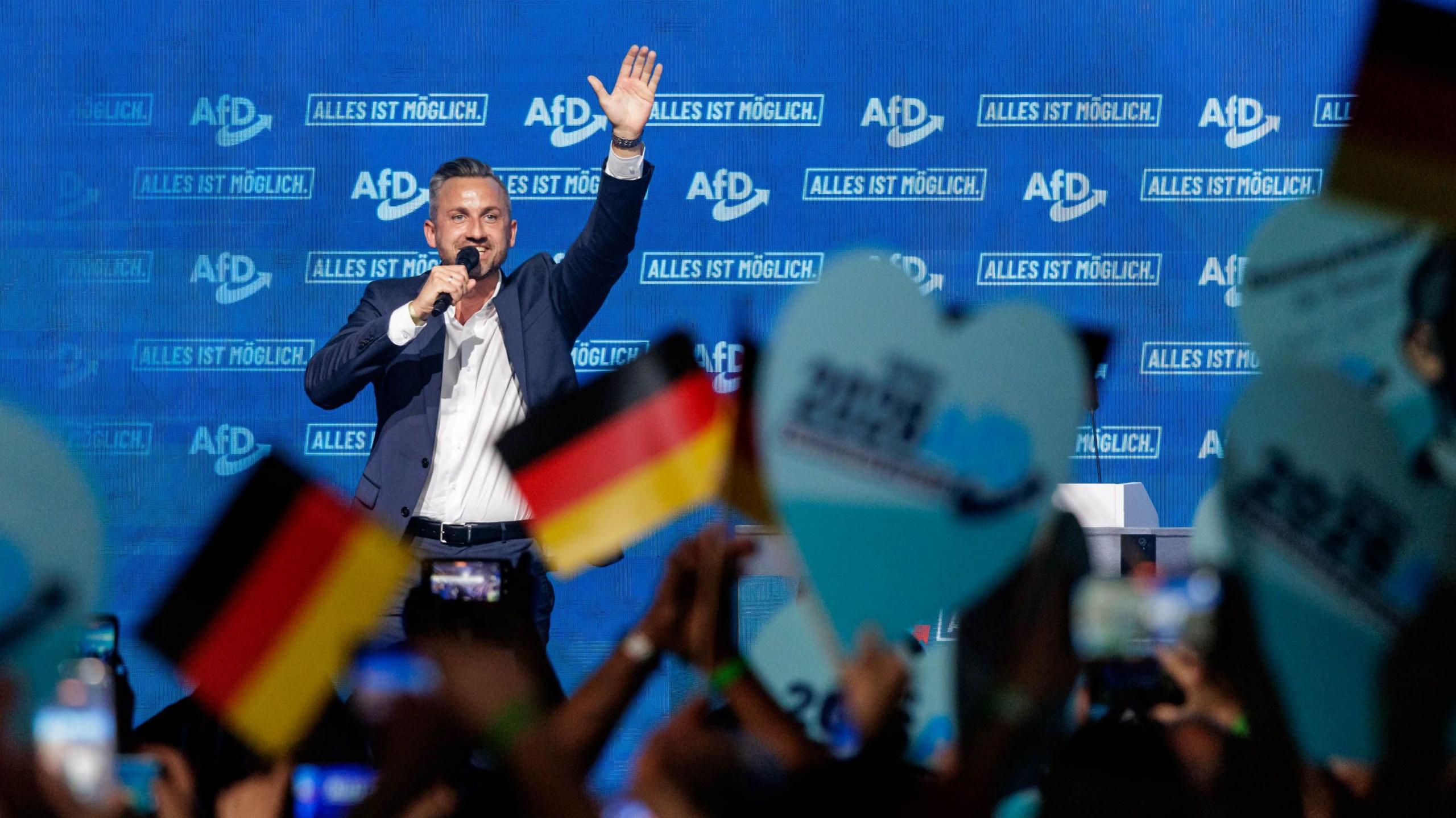
The incident also comes at a delicate time for the German government, as a state election in Saxony‑Anhalt could lead to the far‑right Alternative für Deutschland (AfD) taking control, which could reshape Germany’s stance on aid to Ukraine and ties with Russia.
Separately, German police investigated improvised explosive and incendiary devices at a power substation in Brandenburg, damaging a power line and causing a temporary outage. Authorities are still determining who planted the devices.