Trump signs order to remove endangered protection for gray wolves
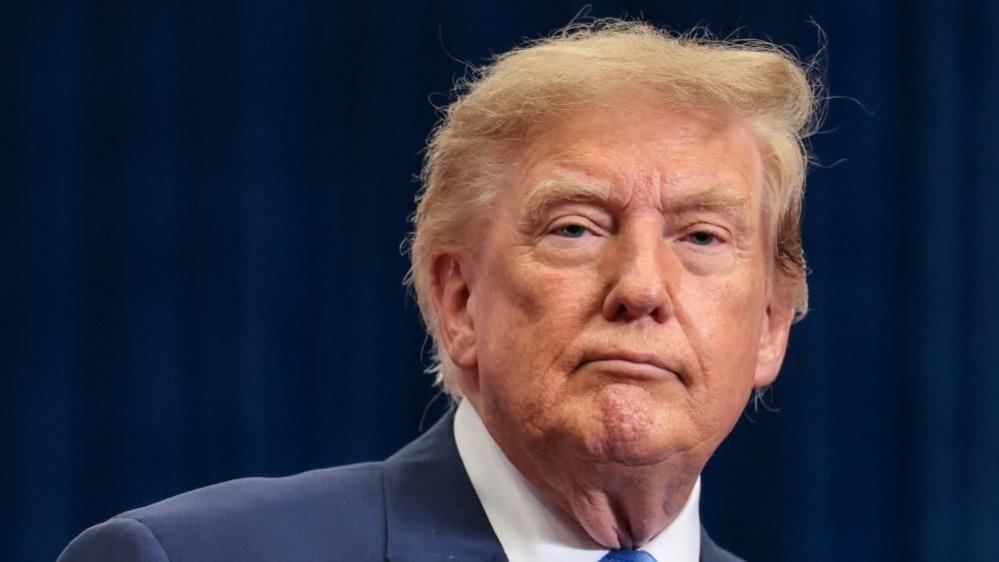
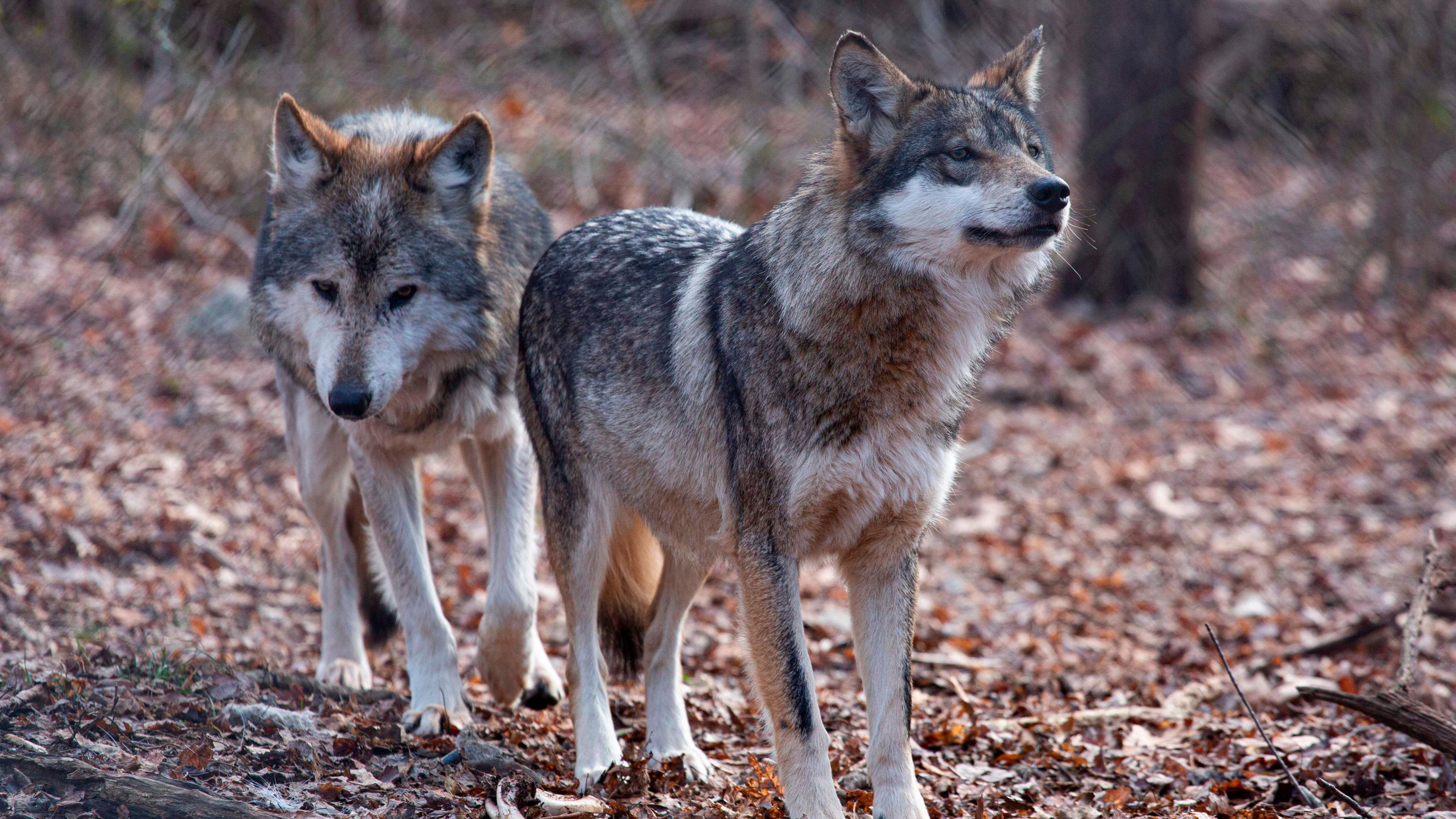
Donald Trump has signed an executive order to remove endangered species protection for the gray wolf and the Mexican wolf subspecies.
The order effectively opens the door for ranchers to target these predators to protect livestock, with the administration citing the vital role ranchers play in the food supply and American culture.
Conservation groups issued strong criticism, arguing the new policy could derail hard‑won recovery efforts for both species. The U.S. Fish and Wildlife Service reports that in 2025 there were 319 Mexican wolves in the wild—up from just four when they were first reintroduced in 1998—while gray wolves number about 18,000 across the country but remain endangered due to widespread habitat loss.
An attempt to delist the species federally in 2022 stalled in litigation, and many campaigners have indicated they plan to file a lawsuit against the Interior Department regarding Trump’s order. The executive order does not authorize immediate shooting of wolves; instead, Interior Secretary Doug Burgum has 90 days to decide whether populations meet delisting criteria.
Trump’s notice referenced a 75‑year low in U.S. livestock herds, even as demand for beef has risen 10% over the past decade. The order also pledged more support for the livestock industry, a gesture timed with the administration’s effort to curb record‑high beef prices triggered by drought and parasite outbreaks.
Environmental voices point to studies showing wolf attacks on livestock are rare and have little economic impact on ranchers. “This is a huge distraction to placate a handful of ranchers and make them believe that wolves are a greater threat than President Trump’s own policies,” said Greta Anderson, deputy director of the Western Watersheds Project.
The Wolf Conservation Center highlighted that ranchers already receive up to 100% compensation for livestock losses under current programs, with state‑run initiatives offering deterrence measures.
“The Mexican gray wolf is not recovered simply because the population has grown,” said Claire Musser, executive director of the Grand Canyon Wolf Recovery Project. “Weakening federal protections now would put decades of recovery work at risk.”
The executive order arrives as the Trump administration seeks to lower high beef prices, and it appears to be part of a broader strategy to mitigate pressures on the ranching sector, which has long battled wolf predation and restrictive regulations. However, the policy’s legitimacy remains contested, with both legal and ecological stakes high in the coming months.