EU and NATO Intensify Pressure on Russia After German Drone Incident
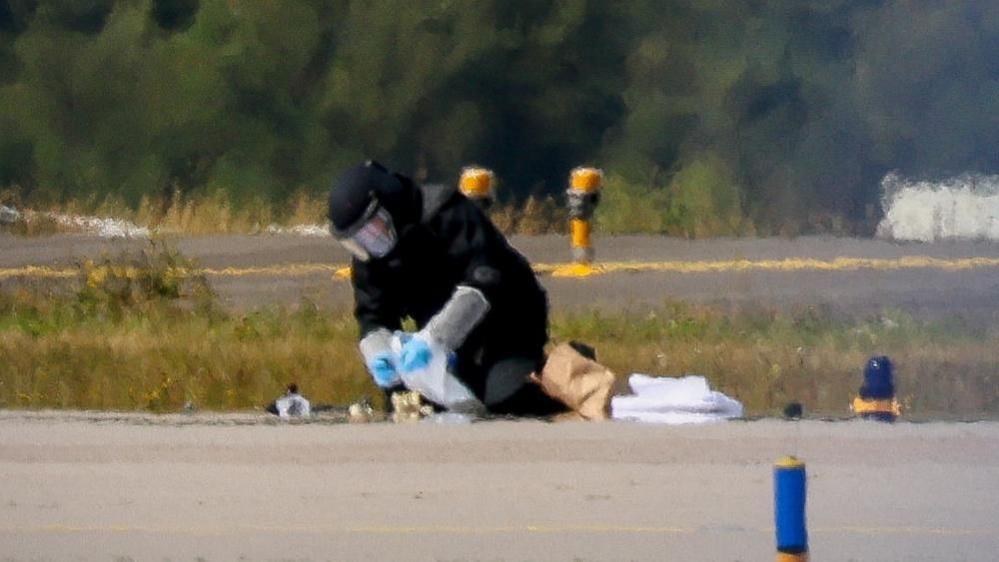
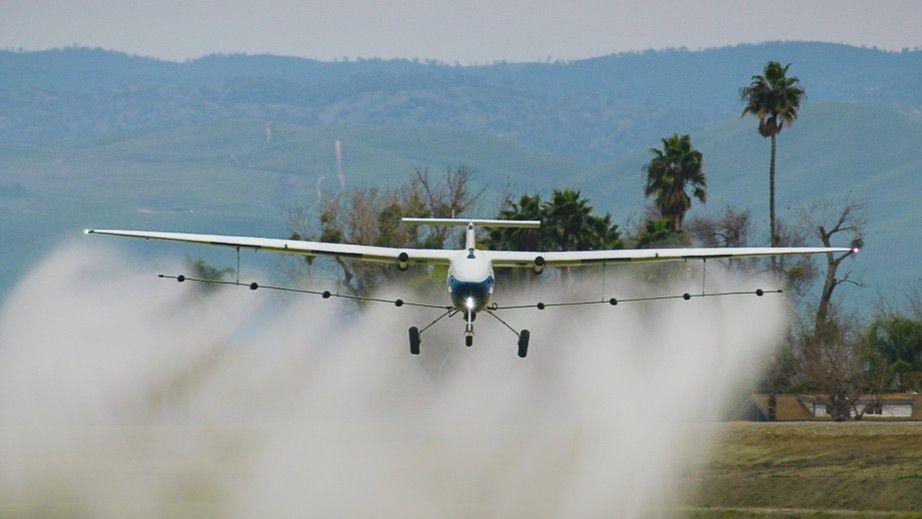
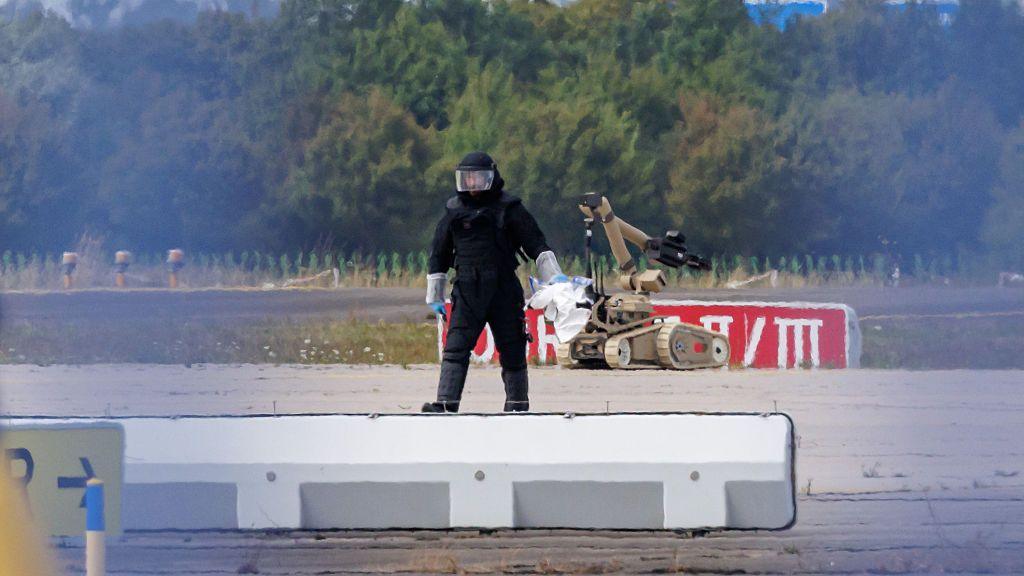
In the wake of a failed Russian‑sponsored drone attack on Leipzig airport, the EU Commission President and NATO Secretary General have amplified their warnings of growing Russian recklessness, calling for a faster and more forceful response.
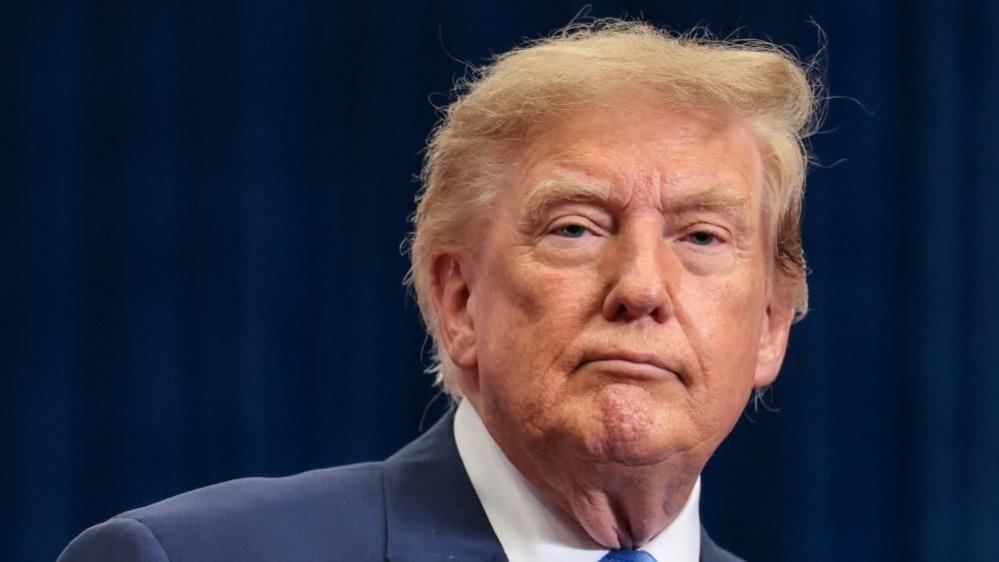
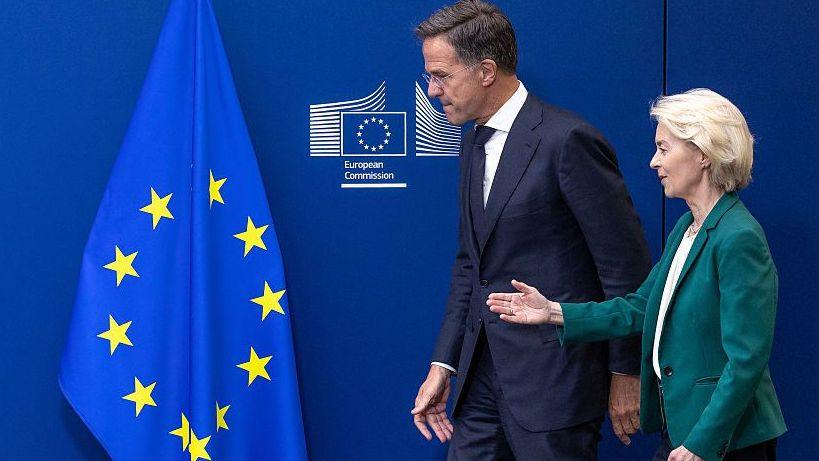
Ursula von der Leyen described the Leipzig incident as a new escalation on EU soil caused by Russian operatives, stating the group will not tolerate such military‑grade material on European territory. Mark Rutte, speaking with von der Leyen in Brussels, noted the alliance’s solidarity with Germany and the increasing risk from drones and missiles crossing the eastern flank of NATO.
Following German investigations that linked the event to Russia, Berlin has taken concrete diplomatic steps: closing the Russian consulate in Bonn and shutting down the Russian House cultural institution in Bonn. The Russian Foreign Ministry has responded by threatening a “mirror‑image” counter‑action, though Moscow is claimed to remain open to diplomatic resolution.
The incident comes amid a series of suspected sabotage actions in Germany, including attacks on electricity substations and acts of arson at drone‑producing factories in Poland. North Rhine-Westphalia’s Interior Minister Herbert Reul suspects a combination of foreign‑state directed sabotage and left‑wing extremism, while several power lines in both eastern and western Germany have been damaged, bringing coal‑powered stations offline.
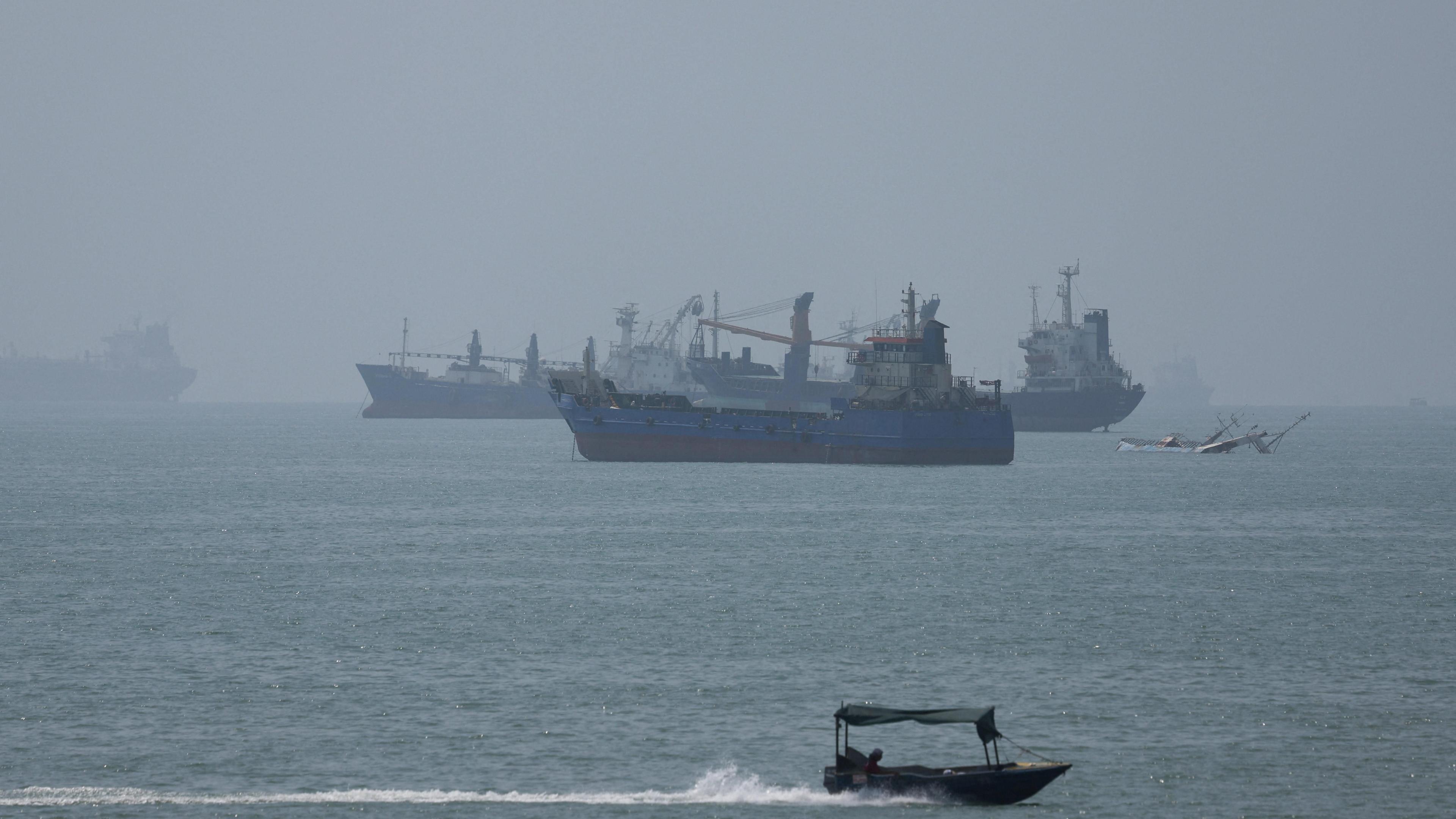
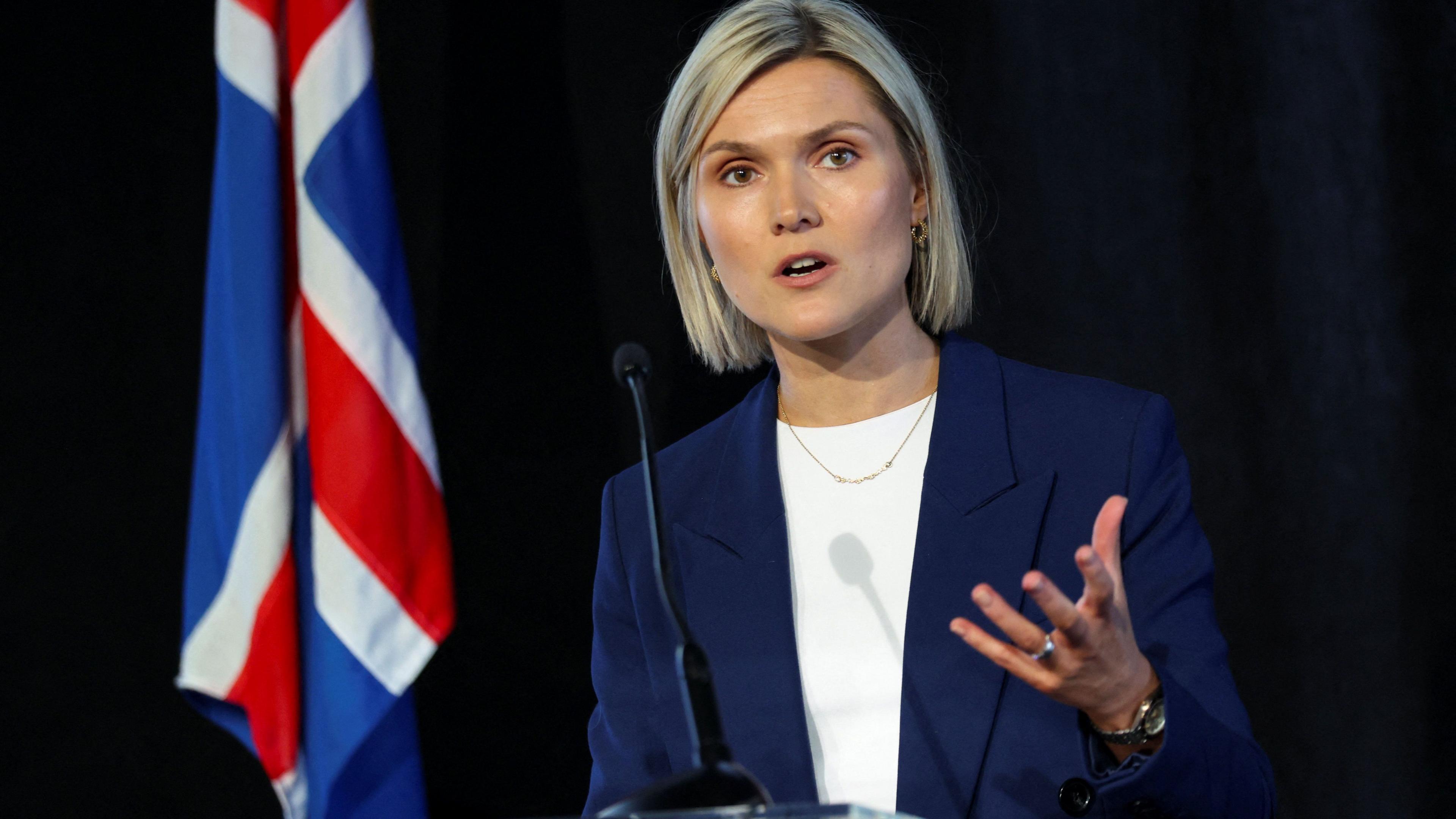
During a European foreign ministers’ meeting in Wicklow, Ireland, France’s Foreign Minister Jean‑Noël Barrot called for further action against Russia’s so‑called “shadow fleet” of ships used to evade sanctions. Other ministers from Belgium and the Netherlands also summoned Russian ambassadors in protest. Lithuania’s Foreign Minister Kestutis Budrys highlighted that Russia’s hybrid operations meet no political cost.
Von der Leyen confirmed that the EU has already extended a €90bn loan to Ukraine and that the group is working on new defence projects such as a joint Europe‑Ukraine Freyja anti‑ballistic missile system. She pledged that Europe and NATO will keep applying pressure on Moscow, intensifying it until Russia ceases attacks on Ukraine.
As leaders solidify their stance, the region faces a continuing threat of hybrid actions, while diplomatic channels remain open for potential escalation or de‑escalation.