Ukraine Warns Commercial Airlines Amid Surge in Drone Strikes
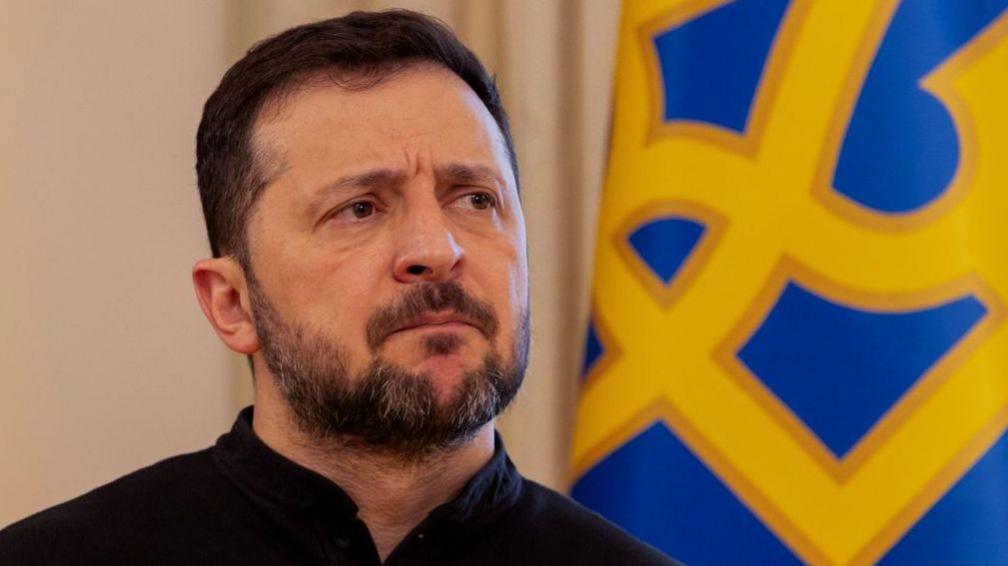
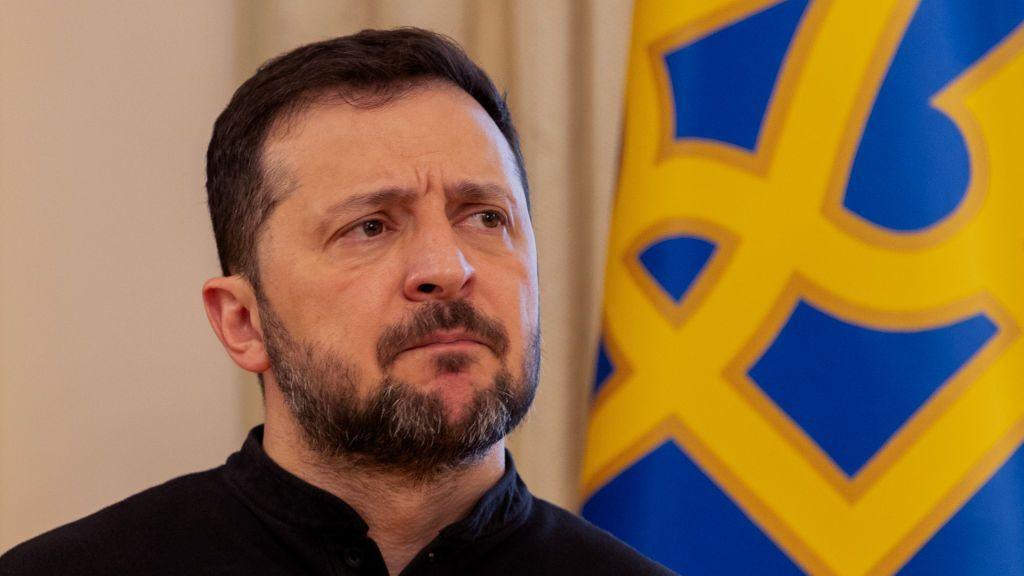
President Volodymyr Zelensky has urged airlines, insurers and anyone operating over Russian airspace that the skies are becoming “completely dangerous” amid a rise in Ukrainian drone attacks. “The war started by Russia is closing its skies,” he said in a nightly address on Tuesday. “We want to warn every airline that uses Russian airspace, every insurer, everyone who still uses key Russian airports,” Zelensky cautioned.
Most Western carriers have already abandoned routes through Russia since February 2022, but airlines from China, Turkey and Gulf states continue to use the corridor as a shortcut between Asia and Europe. The warning is aimed especially at those still servicing major Russian hubs such as Moscow and St Petersburg.
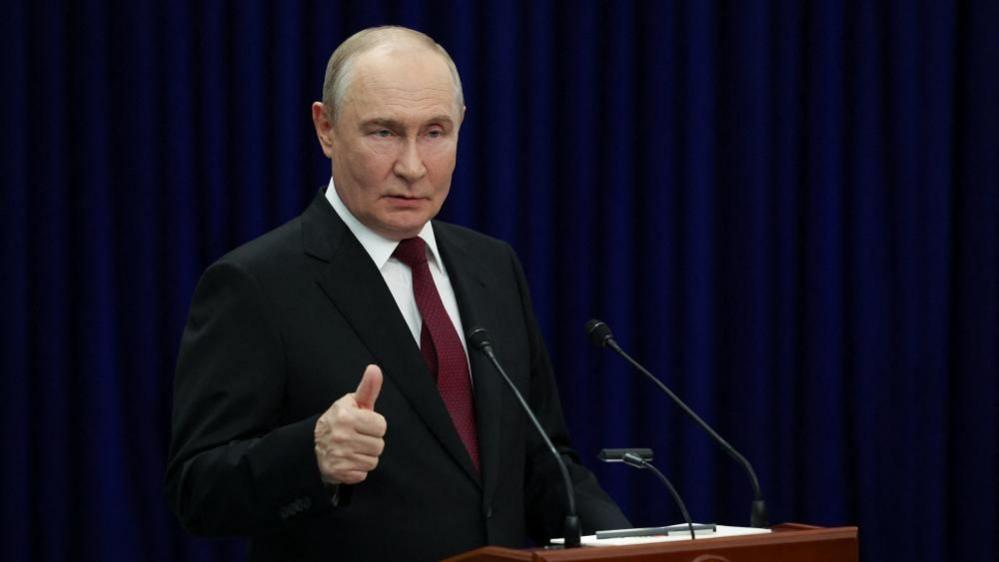
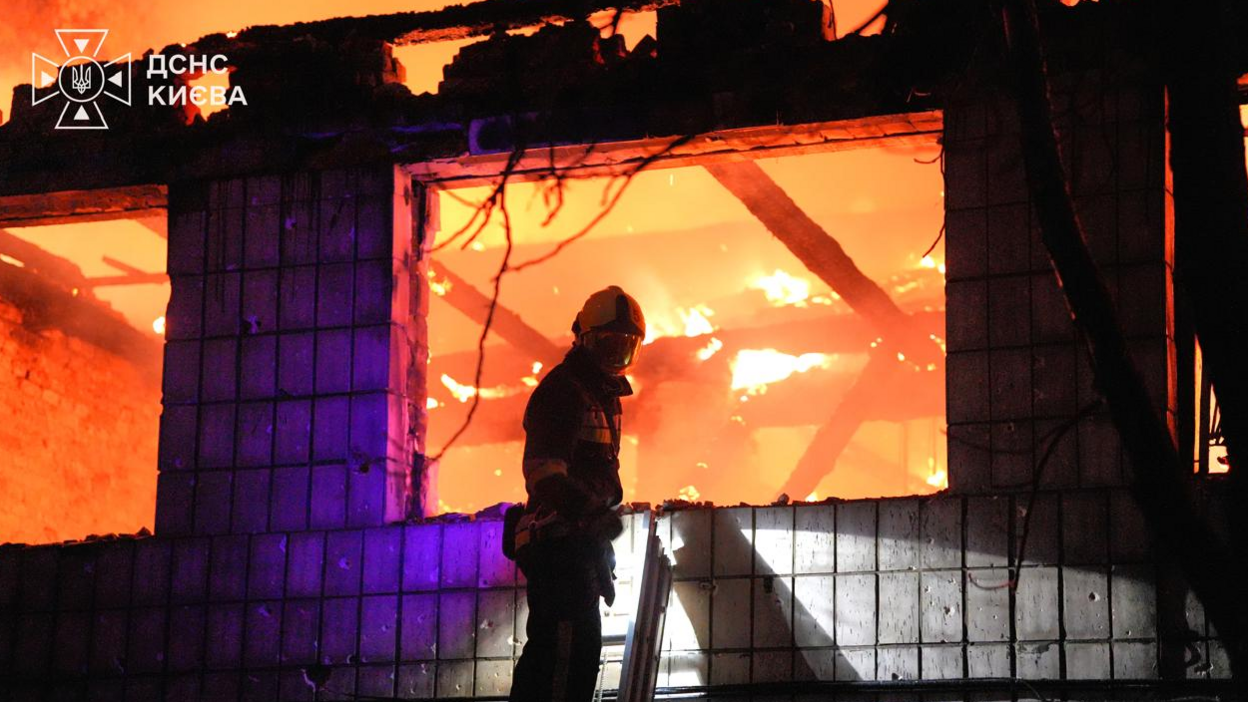
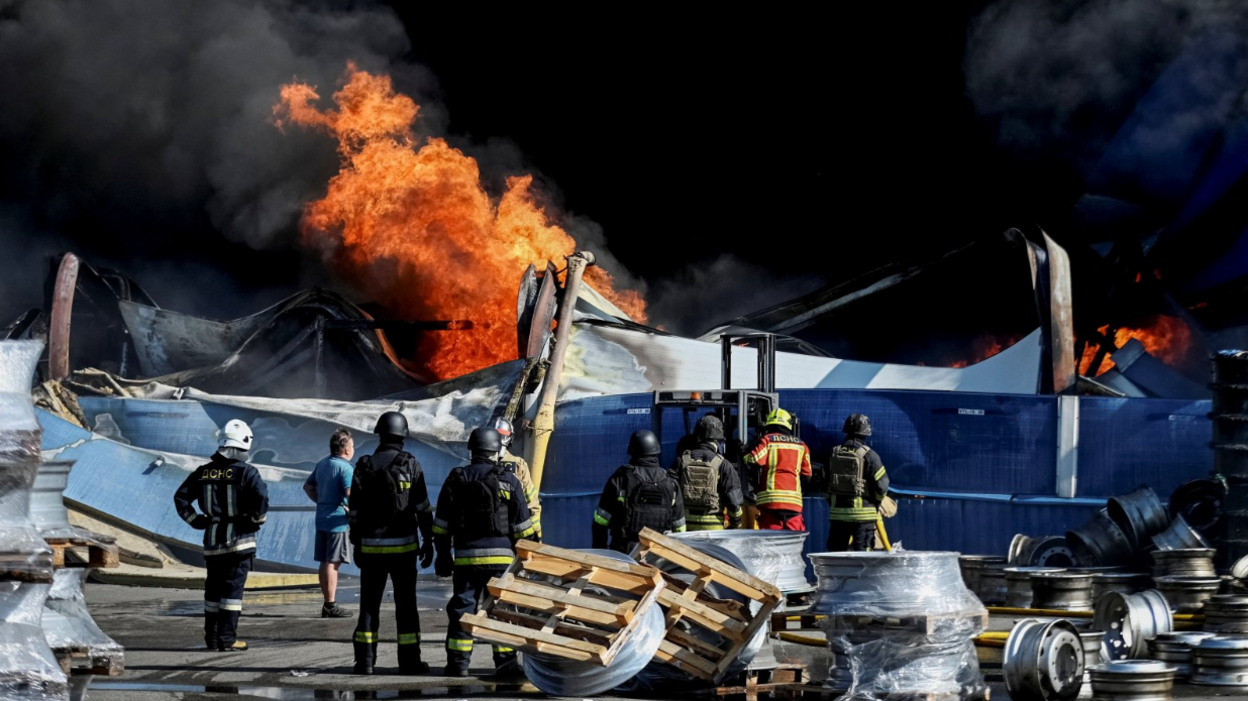
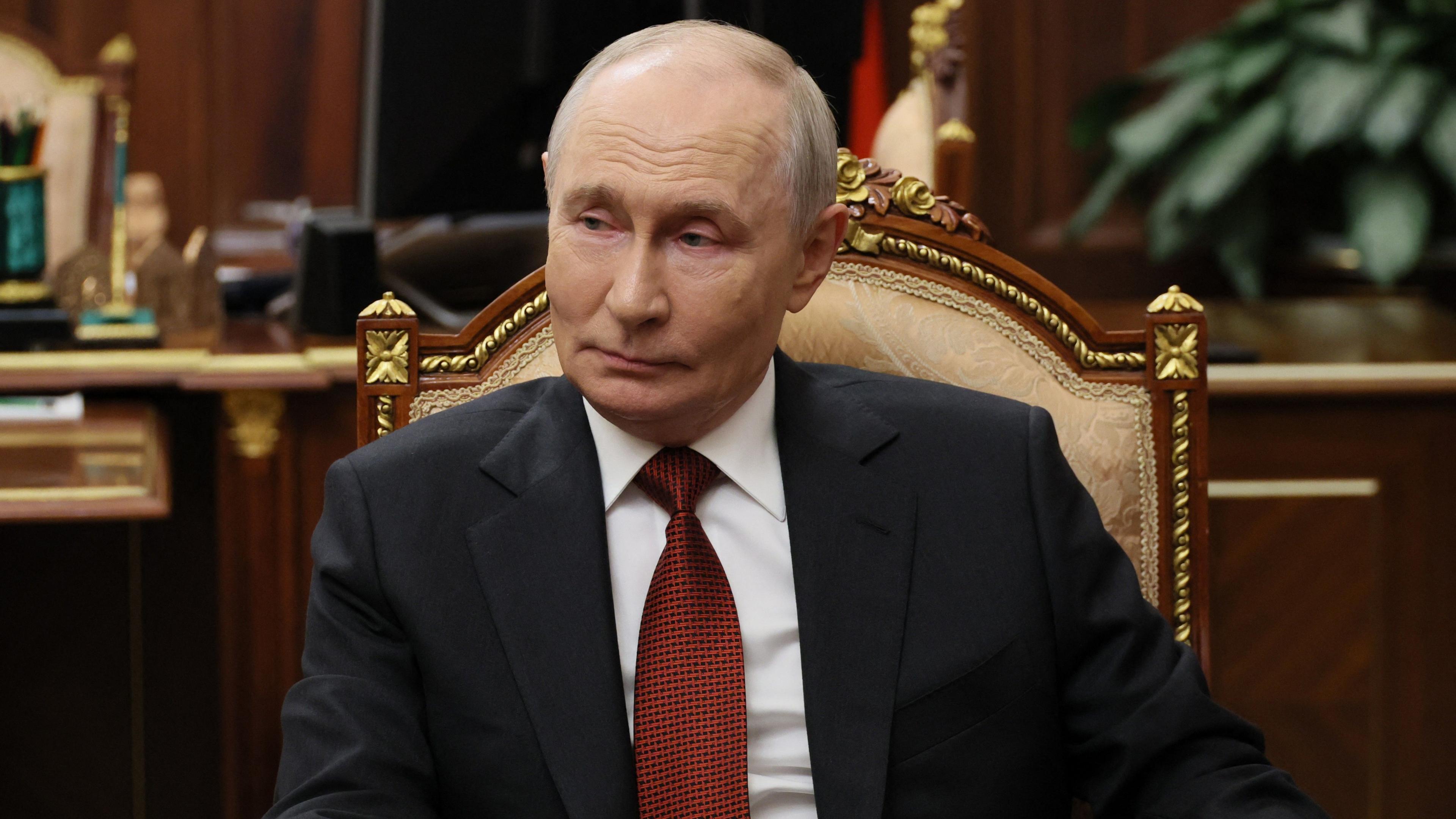
Putin dismissed Zelensky’s remarks as a “declaration of state terrorism” and insisted that Russia would keep intensifying attacks on Ukraine. He further noted that Ukraine’s strikes have damaged Russian infrastructure, but claimed that losses are limited: “Only 10% of oil refineries” remain operational after the continuous onslaught.
Aviation safety experts warn that drones are increasingly flying deep inside Russian territory, with the risk of misidentification escalating in contested zones. Osprey Flight Solutions, a global aviation advisory firm, forecasts that Ukraine will pad its daily attack frequency this year, heightening flight‑risk in areas allied to the Ukraine conflict.
The United Nations aviation agency has already condemned Russia’s role in the 2014 downing of Malaysia Airlines Flight MH17, claiming Russian missile systems shot the plane down. The Kremlin denies responsibility and later apologized only insofar as the incident was a tragic outcome of Russian anti‑drone operations.
With Russia’s ongoing military air strikes, the political leaders of Belarus, Spain and other state allies have urged airlines to reassess routes and prepare for operational disruptions. If these warnings are taken seriously, the international aviation community may need to restructure European‑Asian links, potentially increasing travel times and costs. Until the situation stabilises, civilian flying over Russian airspace remains highly contested.