Ireland, Spain, the Netherlands, and Slovenia will boycott the 2026 Eurovision Song Contest, after it was decided Israel could compete.
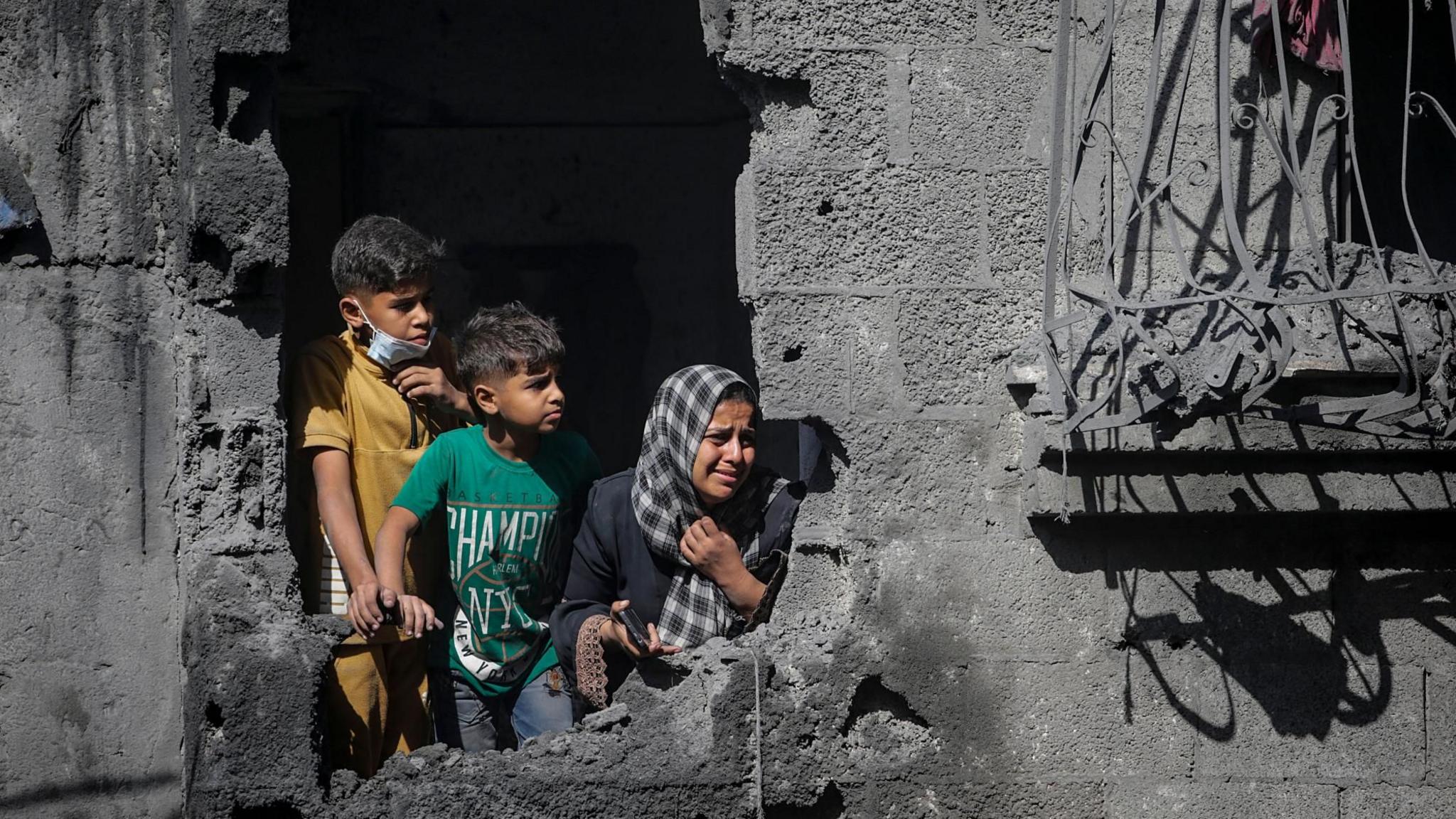
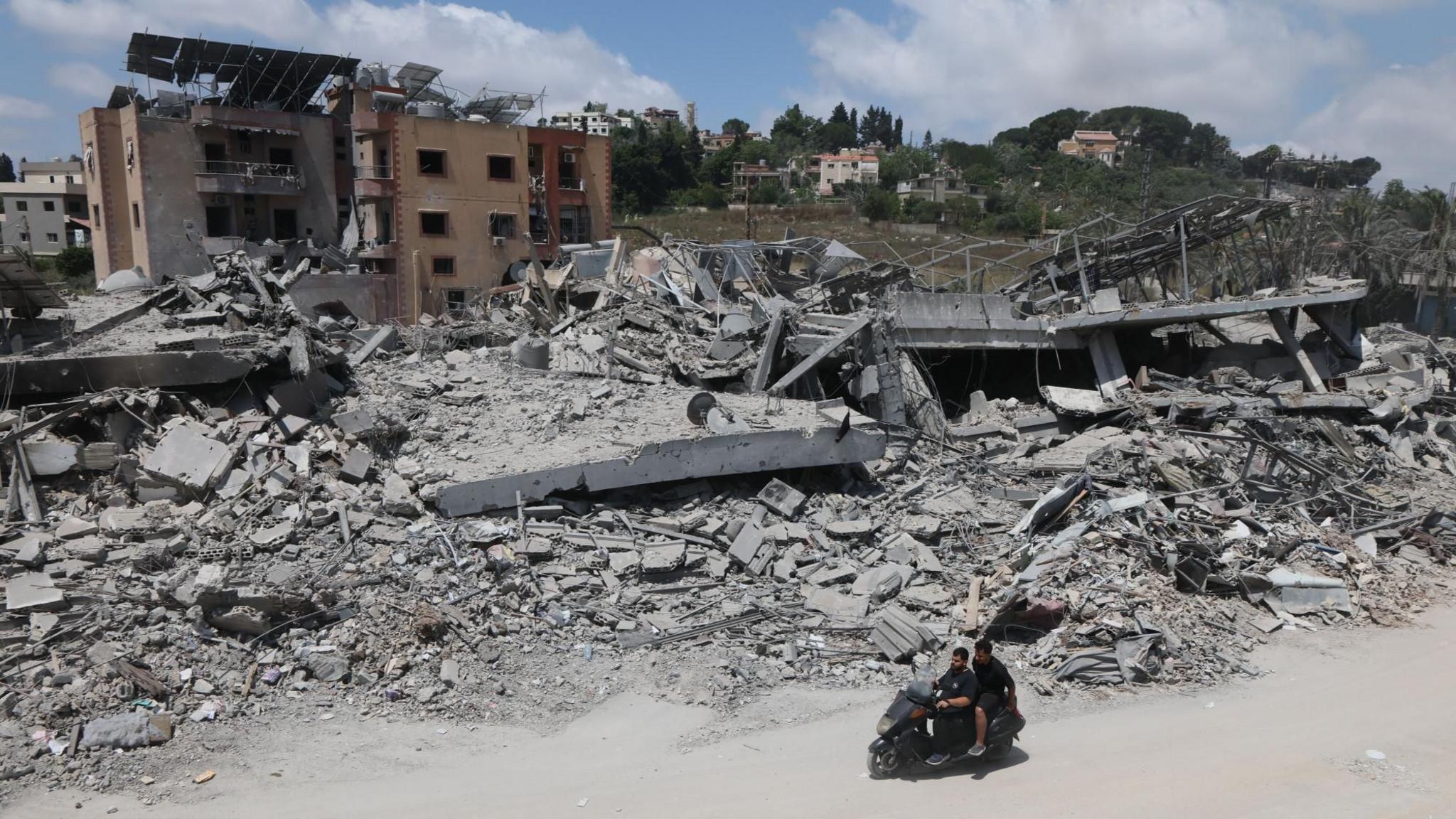
They were among a number of countries who had called for Israel to be excluded over the war in Gaza and accusations of unfair voting practices.
At a meeting in Geneva where a vote was held on new safeguards, a 'large majority' of members believed there was no need for a further vote on participation, affirming that Eurovision 2026 could proceed as planned, the European Broadcasting Union (EBU) said.
Spanish broadcaster RTVE, which led calls for a secret ballot on the issue, stated that the decision has increased distrust towards the festival's organization.
Ireland's RTÉ expressed that its participation remains 'unconscionable given the appalling loss of lives in Gaza and the ongoing humanitarian crisis'.
In response to the decision, Spain's RTVE declared that it would not broadcast the Eurovision 2026 final and also confirmed their withdrawal from the contest. Slovenia expressed similar sentiments, maintaining that ethical principles should be upheld.
The decision has illuminated the divisions within the Eurovision community, with some broadcasters supporting changes aimed at improving ethical standards in voting processes, while others voice their dissent and concern for the impact of a cultural boycott.
Israel’s President praised the decision allowing participation as a sign of solidarity, emphasizing the importance of not politicizing the festival.
The controversy around Israel's involvement highlights the ongoing debate about the intersection of culture and politics within international events like Eurovision, which has a viewing audience of over 150 million worldwide.