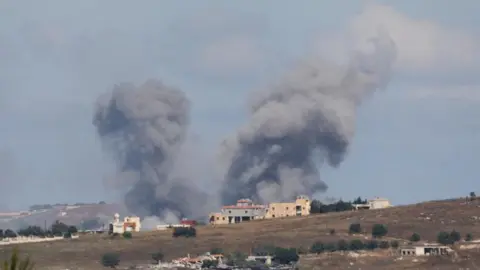
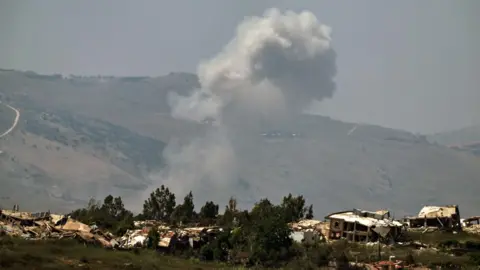
Lebanon has accused Israeli aircraft of spraying an agricultural herbicide over southern villages at concentrations authorities described as dangerously high, raising concerns for food and environmental security. The agriculture and environment ministries stated that laboratory tests confirmed the substance was glyphosate—a chemical used to destroy vegetation—with concentrations in some samples 'between 20 and 30 times the levels usually accepted.' President Joseph Aoun condemned the use of what he described as 'toxic substances,' labeling it a violation of Lebanese sovereignty and an environmental and health crime. The Israel Defense Forces (IDF) told the BBC they had no comment on the matter, leaving unclear the purpose of the spraying. Residents of border villages reported this incident, which occurred over a year after a ceasefire between Israel and Hezbollah. Earlier, UN peacekeepers in Lebanon were notified by Israel of planned spraying near the border; this communication led to the cancellation of some planned operations and raised concerns as it was not the first time Israeli forces had released unknown chemicals over Lebanon. The incident complicates returning home for tens of thousands of displaced people and exacerbates challenges in the region, particularly for agriculture-dependent communities. Experts warn this could have significant economic consequences for Lebanon, with environmental groups expressing alarm over the impact on ecosystems already damaged by past conflicts. The Lebanese foreign ministry has indicated intentions to formally address the matter at the UN Security Council.
Lebanon Accuses Israel of Herbicide Spraying in Southern Villages

Lebanon Accuses Israel of Herbicide Spraying in Southern Villages
Lebanon condemns Israeli military for allegedly spraying glyphosate herbicide over southern areas, raising health and environmental concerns.
Lebanese authorities claim that Israeli aircraft have sprayed dangerously concentrated glyphosate herbicide over villages in southern Lebanon, prompting environmental and health concerns. The Lebanese President has described this act as a violation of sovereignty, while the Israeli Defense Forces have not commented. The incident highlights ongoing tensions in the region and its implications for agricultural safety and local ecosystems.