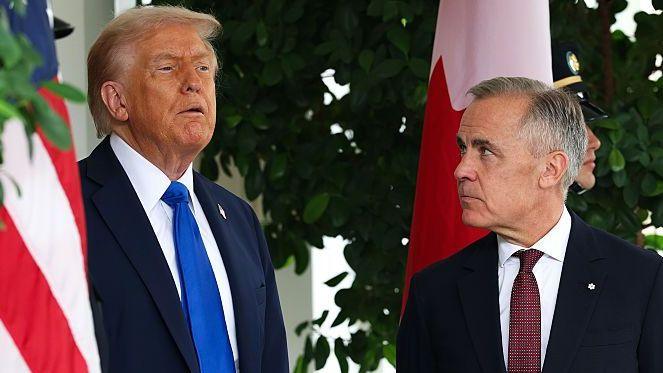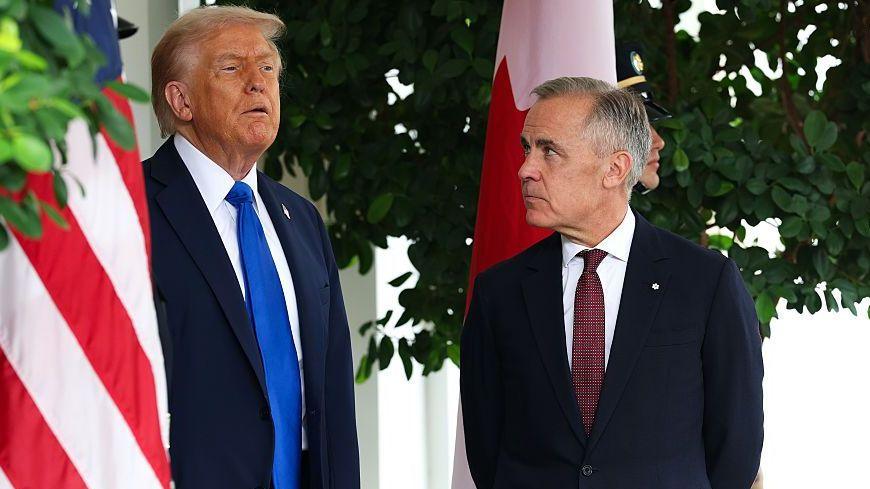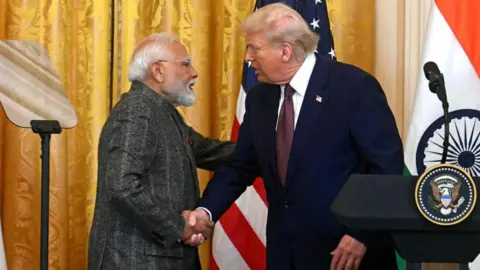
In a long-anticipated move, US President Donald Trump has lowered reciprocal tariffs on Indian goods from 50% to 18%, a decision that has been welcomed by India’s government and industries alike. This significant reduction offers relief to Asia's third-largest economy, which had faced the highest tariffs globally after Trump's earlier hikes in duties.
The news follows a call between Trump and Indian Prime Minister Narendra Modi, wherein Trump claimed that Modi has agreed to reduce purchases of Russian oil and increase imports from the US. However, no firm commitment from India has been articulated regarding these claims.
The announcement has prompted optimism regarding the revival of trade relations, which have been strained due to previous tariffs adversely affecting exports in key sectors like textiles and seafood. Moreover, it has led to speculations that India might increasingly align itself with US market interests, especially given declining exports to the US due to the high tariffs.
Indian analysts view this development as a potential pivot point, suggesting that the new 18% tariff aligns more closely with what rival countries in the region, like Vietnam and Thailand, face.
Despite the excitement, trade experts caution that many details remain unclear, particularly regarding product coverage and enforceability of the agreed terms. There's a call for patience as both governments navigate the complexities of further negotiations, highlighting the need for clarity on crucial issues like zero tariffs and the potential for non-tariff barriers in sensitive sectors.
Ultimately, while the deal is being hailed as a significant step forward in US-India trade relations, experts advise that the future of this partnership should be closely monitored, given the geopolitical dimensions and the potential long-term impacts on India’s trading strategies.