In brief
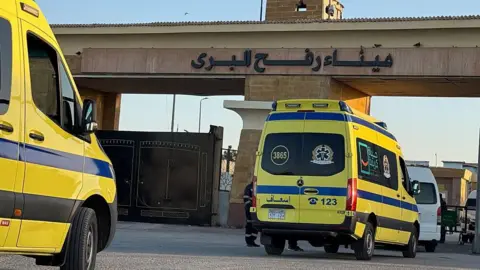
The recently reopened Rafah border crossing, which had been closed for years, saw only a small number of sick Palestinians pass through on its first day of operation. The crossing's reactivation follows the return of an Israeli hostage's body and comes as a relief to those waiting for medical treatment outside Gaza. However, stringent restrictions mean that vast numbers of people continue to face barriers to exit and aid.
The Rafah border crossing between Gaza and Egypt has officially reopened for the movement of people, marking a significant development in the ongoing humanitarian crisis faced by Palestinians. This border had been largely closed since Israeli forces took control of the Gazan side in May 2024.
On Monday, only a few sick individuals from Gaza were reported to have made it into Egypt, raising concerns about the accessibility of this critical passage. The reopening had initially been anticipated as part of U.S. President Donald Trump's ceasefire plan, which began in October but was delayed due to Israeli security conditions.
Despite the reopening, frustrations abound as the crossing allows only limited movement. Reports indicate that just 50 patients, along with a few relatives, are permitted to travel daily, exacerbating the plight of approximately 20,000 Palestinians currently awaiting medical treatment.
On the first day, only five patients crossed, with the majority facing security clearance issues. Delays have been attributed to Israeli checks, adding another layer of complexity to the already strained situation.
Palestinian officials and humanitarian organizations have expressed concern over the limited nature of the reopening, viewing it as a necessary but insufficient step towards alleviating the suffering in Gaza.
Local health officials have reported that many individuals, like Sabrine al-Da'ma, are in urgent need of treatment but find themselves trapped due to stringent exit protocols. Al-Da'ma and her daughter Rawa, who suffers from kidney disease, are among those hoping to receive quicker referrals for necessary medical procedures abroad.
The EU and UK officials have praised the reopening as a step towards peace and humanitarian relief while emphasizing the need for additional measures to facilitate aid and effective humanitarian operations in the region.
As the global community watches closely, the effectiveness of the Rafah crossing's reopening will hinge on the balance between security measures and humanitarian needs.