Kurdish Resistance in Syria: 'We Will Fight Until Our Last Breath'
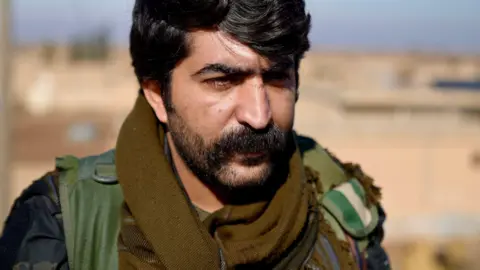
In the face of mounting pressure from the Syrian government, Kurdish fighters in northern Syria have vowed to continue their struggle for autonomy and resist what they describe as a betrayal by former allies. At the heart of this resolve is Commander Azad, a veteran Syrian Kurdish leader, who wears his battle scars with pride and carries deep-seated grievances against the United States, which previously allied with Kurdish forces to combat ISIS.
My leg was injured when we were bombed by a Turkish warplane in 2018, Azad recounted, highlighting the gravitas of his experience. As recent clashes have escalated, government troops have succeeded in pushing the Kurdish-led Syrian Democratic Forces (SDF) out of key resource-rich areas, territories they have controlled since the effective defeat of ISIS in Syria.
Azad's feelings of betrayal stem from a perception that the U.S. has abandoned the Kurdish forces, who sacrificed thousands of lives in the fight against ISIS. History will hold them accountable, he declared. We will keep fighting until our last breath. We are not cry-babies.
This stubborn resolve finds resonance among his comrades, as they brace for upcoming challenges. Siyamend Ali, a member of the People’s Protection Units (YPG), echoed the sentiment, stressing the urgency of reaching a permanent ceasefire with the Syrian government, which still threatens Kurdish autonomy.
Relations with the U.S. have soured further as the White House has shown support for Syria's interim president, Ahmed al-Sharaa, a former jihadi leader, which the Kurdish fighters view as a slap in the face. The SDF lost an estimated 11,000 fighters battling ISIS and believe that emerging positions of power in the region align too closely with the extremist ideologies they fought against.
While they prepare for what may become a fierce military conflict, the Kurdish fighters remain defiant. They assert their identity and autonomy while cautioning against the specter of renewed war in their region. As tensions rise, the fate of Kurdish autonomy hangs in the balance, with implications for both the region and the international community's approach to the ongoing Syrian conflict.