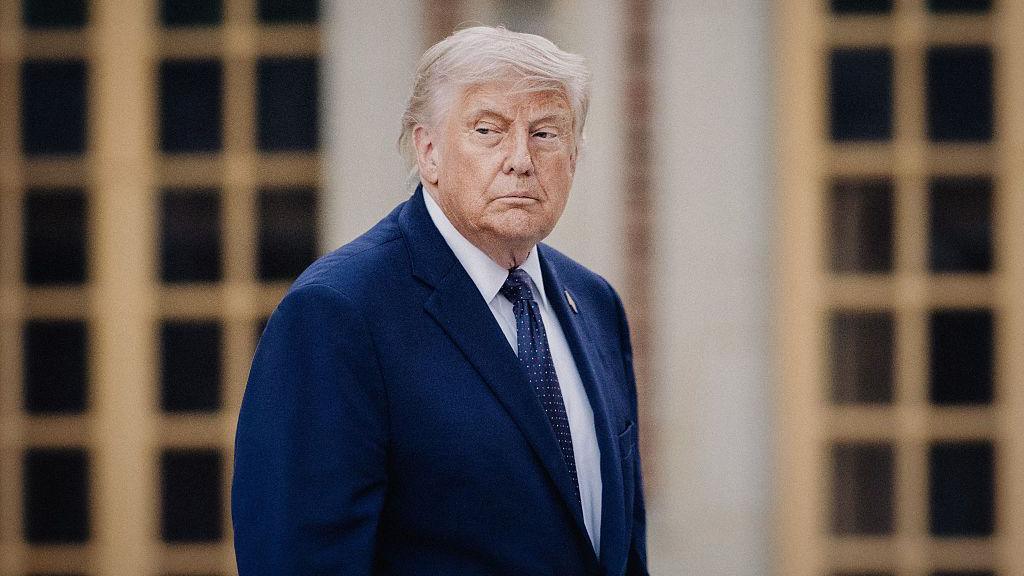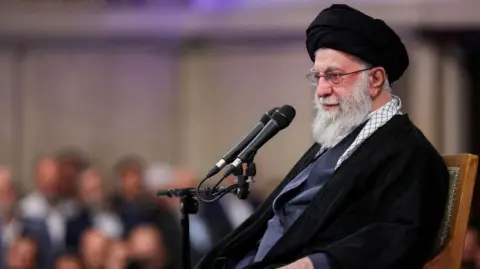
Iran's Supreme Leader Ayatollah Ali Khamenei has called anti-government protesters 'troublemakers' and 'a bunch of vandals' just trying 'to please the president of the US'. He accused crowds of destroying buildings because Donald Trump said he 'supports you'. Trump has warned Iran that if it kills protesters, the US would 'hit' the country 'very hard'.
The protests, entering their 13th day, have erupted over economic issues and evolved into the largest demonstrations in years, prompting calls for an end to the Islamic Republic, with some urging the restoration of the monarchy.
At least 48 protesters and 14 security personnel have been killed, according to human rights groups, as an internet blackout is enforced.
Khamenei remained defiant in a televised address on Friday, asserting that the Islamic Republic would not back down in the face of dissent. He reiterated the regime's commitment to its power, citing the bloodshed from Iran’s revolution as paramount to its legitimacy.
Since protests commenced on December 28, over 2,277 individuals have been arrested, as reported by the US-based Human Rights Activist News Agency (HRANA). The Norway-based Iran Human Rights (IHRNGO) noted at least 51 fatalities, including nine children, as a result of the unrest.
The country has experienced a near-total internet blackout since Thursday evening, restricting communication and the flow of information. Reports from various cities indicate that protesters continue to voice their demands, with chants of 'death to the dictator' heard in several locations.
In an environment fueled by discontent, Reza Pahlavi, the son of Iran's last Shah, has urged the US to intervene, calling on Trump to help the Iranian people.
Amidst escalating tensions, there are growing concerns regarding a potential crackdown on protests and loss of life, as experts warn that the government's use of force is likely to intensify without internet communications for activists and observers.
The protests, entering their 13th day, have erupted over economic issues and evolved into the largest demonstrations in years, prompting calls for an end to the Islamic Republic, with some urging the restoration of the monarchy.
At least 48 protesters and 14 security personnel have been killed, according to human rights groups, as an internet blackout is enforced.
Khamenei remained defiant in a televised address on Friday, asserting that the Islamic Republic would not back down in the face of dissent. He reiterated the regime's commitment to its power, citing the bloodshed from Iran’s revolution as paramount to its legitimacy.
Since protests commenced on December 28, over 2,277 individuals have been arrested, as reported by the US-based Human Rights Activist News Agency (HRANA). The Norway-based Iran Human Rights (IHRNGO) noted at least 51 fatalities, including nine children, as a result of the unrest.
The country has experienced a near-total internet blackout since Thursday evening, restricting communication and the flow of information. Reports from various cities indicate that protesters continue to voice their demands, with chants of 'death to the dictator' heard in several locations.
In an environment fueled by discontent, Reza Pahlavi, the son of Iran's last Shah, has urged the US to intervene, calling on Trump to help the Iranian people.
Amidst escalating tensions, there are growing concerns regarding a potential crackdown on protests and loss of life, as experts warn that the government's use of force is likely to intensify without internet communications for activists and observers.