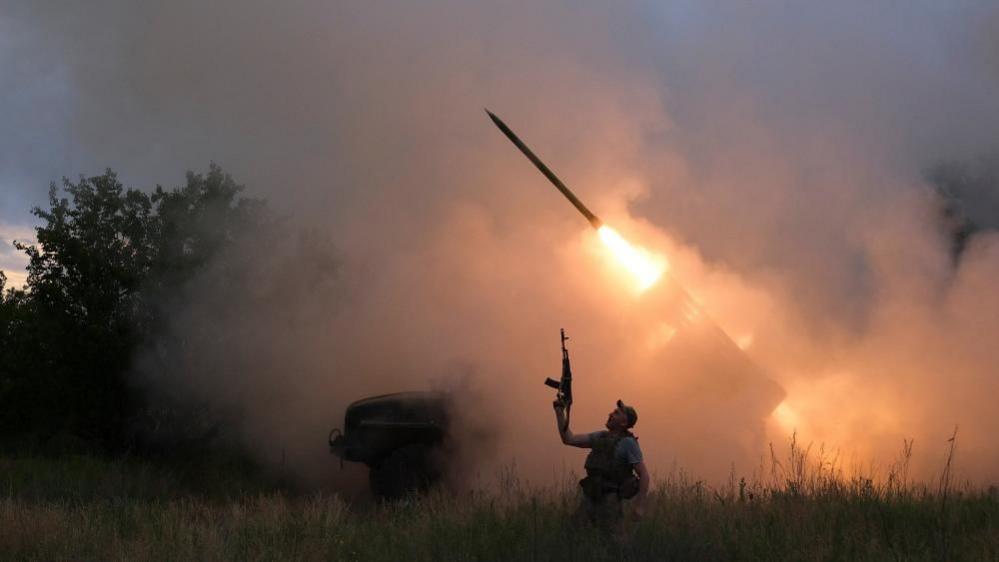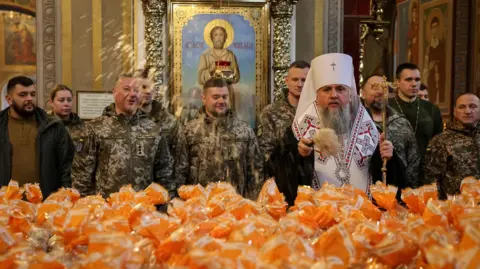
In a significant development, Russia and Ukraine have agreed to a truce for Orthodox Easter, with Russian President Vladimir Putin ordering a ceasefire to take effect from Saturday, April 11, at 16:00 local time until Easter Sunday. This announcement comes as Ukrainian President Volodymyr Zelensky has repeatedly called for a ceasefire, which had previously gone unacknowledged by Moscow.
Putin's directive aimed at ensuring peace over the Easter weekend is expected to prompt Ukraine to reciprocate; however, Zelensky stated that Ukraine was prepared to take symmetrical steps, emphasizing the need for an Easter free from threats. He urged Russia to avoid continued aggression post-holiday, highlighting the importance of moving towards genuine peace.
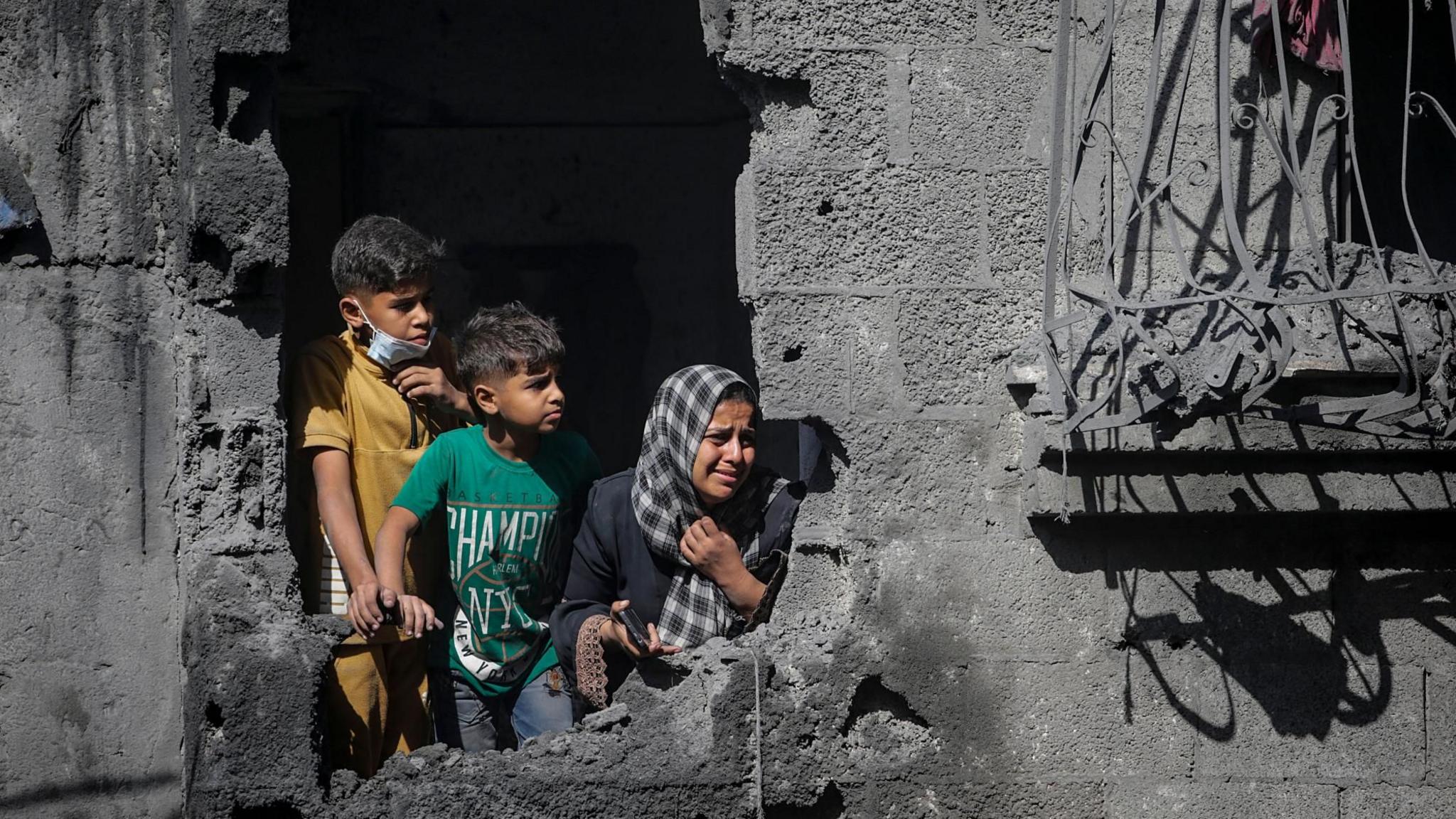
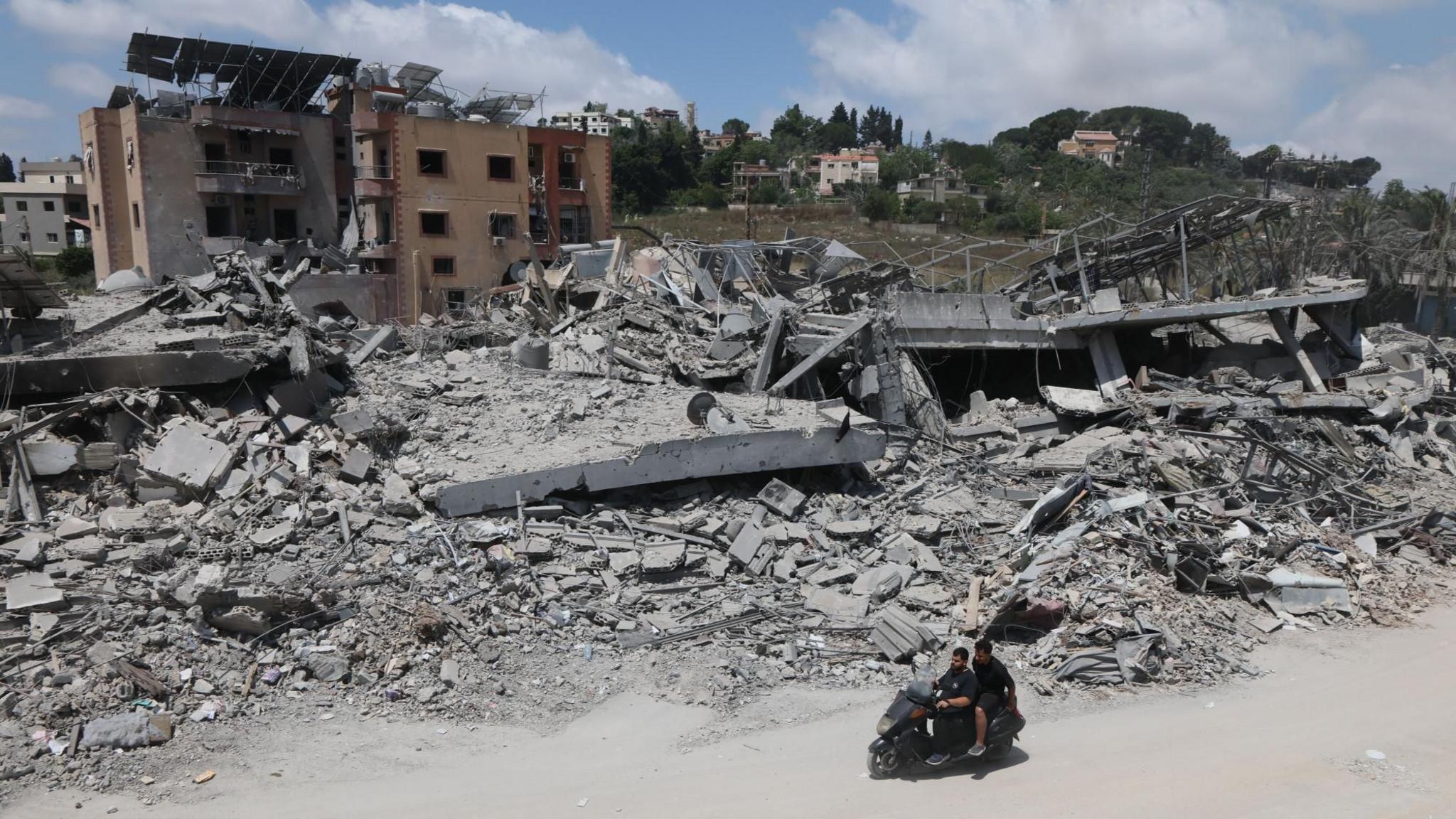
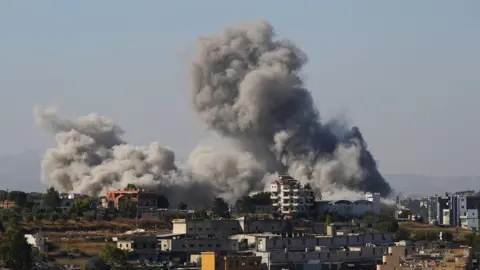
The respite in fighting would be beneficial for Ukrainian soldiers on the frontline and civilians who suffer from ongoing air raids and attacks from Russian forces, which include missiles and drones. Recently, attacks have caused casualties including a drone strike on a bus in Nikopol, and a missile incident resulting in a death in Zhytomyr.
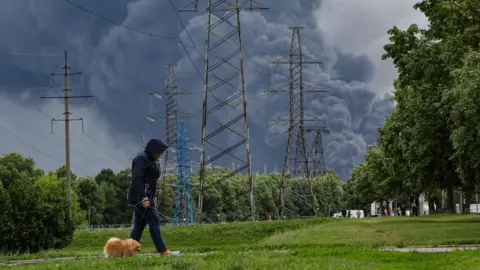
Despite the optimistic outlook for the truce, skepticism remains within Ukraine. Previous Russian declarations of ceasefires have often been marred by violations, creating doubt that this latest agreement will hold. As both nations engage in strategies against each other, including Ukraine's drone attacks targeting Russian energy supplies, the call for a lasting peace settlement continues to resonate as critical for resolving the ongoing conflict.